The Revolutionary Material Transforming Modern Living
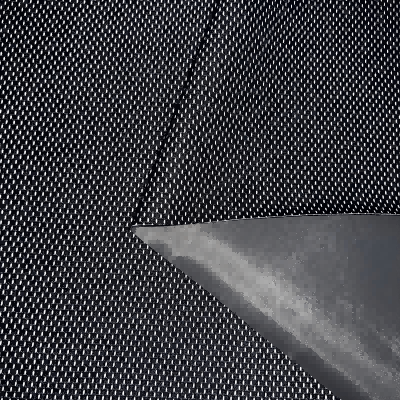
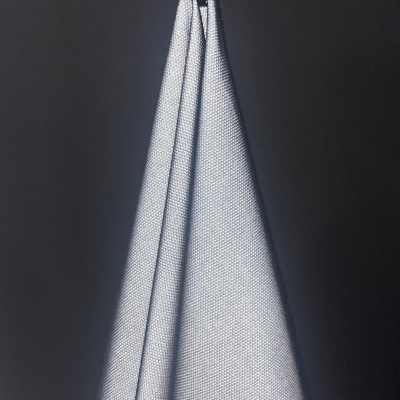
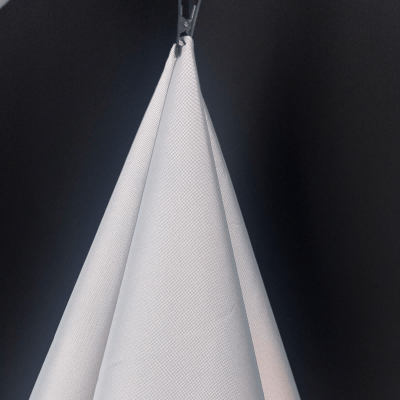
Non-woven fabrics have become an integral part of our daily lives, often working silently in the background to make our world more convenient, sustainable, and efficient. These versatile materials, created by bonding or interlocking fibers through mechanical, thermal, or chemical processes, have revolutionized numerous industries and applications. From healthcare to home goods, non-woven fabrics offer unique properties that traditional woven textiles simply cannot match.
The growing popularity of non-woven fabrics stems from their remarkable versatility and cost-effectiveness. Unlike conventional fabrics that require the time-consuming process of weaving or knitting, non-woven fabrics are produced directly from fibers, making them both economical and adaptable to various applications. This innovative material has become the backbone of many products we use daily, often without even realizing it.
Essential Applications in Healthcare and Medical Fields
Medical Protection and Hygiene Products
In healthcare settings, non-woven fabrics play a crucial role in maintaining sterility and preventing infection. These materials are extensively used in surgical masks, gowns, caps, and drapes, providing essential protection for both healthcare workers and patients. The unique structure of non-woven fabrics creates an effective barrier against bacteria and other contaminants while remaining breathable and comfortable.
Beyond personal protective equipment, non-woven fabrics are fundamental in wound care products. Advanced dressings, bandages, and absorbent pads utilize these materials for their excellent absorption capabilities and gentle contact with sensitive skin. The ability to incorporate different treatments and medications into non-woven structures makes them ideal for modern wound management solutions.
Disposable Medical Supplies
The medical industry relies heavily on disposable items made from non-woven fabrics to maintain hygiene standards and prevent cross-contamination. These materials are used in creating examination table covers, disposable bed sheets, and sterilization wraps for medical instruments. Their cost-effectiveness and disposal properties make them perfect for single-use applications in healthcare facilities.
Non-woven fabrics also feature prominently in laboratory and research environments, where contamination control is paramount. Filter materials, wipes, and protective gear made from these materials help maintain clean room conditions and ensure accurate research results.
Home and Personal Care Applications
Cleaning and Household Products
The cleaning industry has embraced non-woven fabrics for their superior performance in both wet and dry applications. Household cleaning wipes, dusting cloths, and floor cleaning pads incorporate these materials to provide effective cleaning solutions. The structure of non-woven fabrics allows them to trap dust and dirt while maintaining their integrity, even when wet.
In the kitchen, non-woven fabrics appear in various forms, from tea bags to disposable cleaning cloths. Their ability to withstand both hot and cold temperatures while maintaining structural integrity makes them ideal for these applications. Many modern kitchen products utilize these materials for their combination of strength and disposability.

Personal Hygiene Products
Personal care products heavily rely on non-woven fabrics for their comfort and effectiveness. Diapers, feminine hygiene products, and adult incontinence items utilize these materials for their excellent absorption properties and skin-friendly characteristics. The development of softer, more comfortable non-woven fabrics has revolutionized the personal care industry.
Facial tissues, wet wipes, and cosmetic removal pads are other common applications where non-woven fabrics excel. Their gentle texture and ability to hold both dry and liquid substances make them perfect for these intimate uses. Manufacturers continue to innovate with new non-woven materials that offer enhanced softness and environmental sustainability.
Industrial and Agricultural Applications
Filtration and Environmental Protection
Non-woven fabrics serve critical roles in industrial filtration systems. From air filters in HVAC systems to water filtration units, these materials efficiently trap particles while allowing the desired flow of air or liquid. The ability to create specific pore sizes and layer different materials makes non-woven fabrics ideal for various filtration needs.
Environmental applications include geotextiles for soil stabilization, erosion control, and drainage systems. These materials help protect landscapes while supporting sustainable development practices. The durability and weather resistance of non-woven fabrics make them excellent choices for long-term environmental solutions.
Agricultural and Horticultural Uses
In agriculture, non-woven fabrics find extensive use as crop covers, providing protection from frost, insects, and harsh weather conditions. These materials allow sufficient light and water penetration while creating optimal growing conditions for plants. Farmers increasingly rely on these materials to extend growing seasons and protect valuable crops.
Horticultural applications include weed control fabrics, seed germination mats, and plant protection covers. The breathable nature of non-woven fabrics helps maintain ideal moisture levels while preventing weed growth. These materials have become essential tools in modern agricultural practices, contributing to increased crop yields and reduced chemical usage.
Automotive and Transportation
Vehicle Interior Components
The automotive industry extensively uses non-woven fabrics in vehicle interiors for their durability and acoustic properties. These materials appear in headliners, trunk liners, and carpet backing, providing both functional and aesthetic benefits. Their ability to be molded into complex shapes while maintaining structural integrity makes them ideal for modern vehicle design.
Sound insulation and vibration dampening are critical applications where non-woven fabrics excel. These materials help create quieter, more comfortable vehicle interiors while contributing to overall vehicle efficiency. The lightweight nature of non-woven fabrics also helps improve fuel economy without compromising performance.
Transportation Safety Features
Safety applications in vehicles often incorporate non-woven fabrics, particularly in airbag systems and safety restraints. The unique properties of these materials allow for rapid deployment while maintaining strength and reliability. Engineers continue to develop new applications for non-woven fabrics in vehicle safety systems.
Battery separators and filtration systems in electric vehicles represent emerging applications for non-woven fabrics. As the automotive industry evolves toward electric mobility, these materials play increasingly important roles in new technologies and solutions.
Frequently Asked Questions
What makes non-woven fabrics different from traditional textiles?
Non-woven fabrics are created directly from fibers without the need for weaving or knitting. They are bonded together through mechanical, thermal, or chemical processes, resulting in unique properties such as enhanced filtration capabilities, improved absorption, and cost-effective production methods compared to traditional textiles.
Are non-woven fabrics environmentally friendly?
Many non-woven fabrics can be produced from recycled materials and are themselves recyclable. Manufacturers are increasingly focusing on developing sustainable non-woven materials that minimize environmental impact while maintaining performance characteristics. However, the environmental impact varies depending on the specific material and application.
Can non-woven fabrics be washed and reused?
While some non-woven fabrics are designed for single use, others are engineered for multiple uses and can be washed. The durability and washability depend on the specific type of non-woven fabric and its intended application. Always check manufacturer guidelines for proper care and maintenance instructions.