 EN
EN

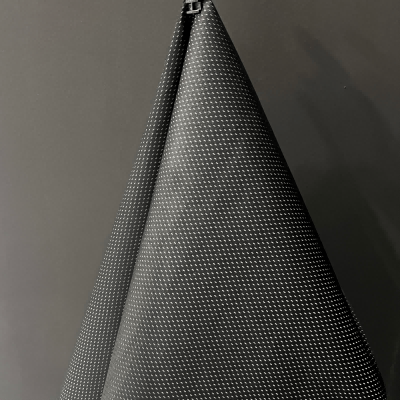
Reflective cloth has emerged as one of the most versatile and practical materials in modern applications, transforming how we approach safety, visibility, and functionality across numerous industries and personal uses. This innovative textile technology combines traditional fabric properties with advanced retroreflective capabilities, creating a material that bounces light directly back to its source. The growing demand for enhanced safety measures and visibility solutions has positioned reflective cloth as an essential component in various sectors, from construction and emergency services to fashion and recreational activities. Understanding the diverse applications and benefits of this remarkable material can help individuals and organizations make informed decisions about incorporating reflective solutions into their daily operations and personal safety strategies.

Safety and Security Applications
Construction and Industrial Workwear
The construction industry represents one of the largest consumers of reflective cloth materials, where worker visibility can literally mean the difference between life and death. High-visibility garments incorporating reflective cloth are mandatory on most construction sites, particularly during low-light conditions or night shifts. These garments typically feature strategically placed reflective strips that enhance worker visibility from multiple angles, ensuring that heavy machinery operators and vehicle drivers can easily spot personnel in active work zones. The durability and washability of modern reflective cloth make it ideal for harsh industrial environments where garments must withstand repeated exposure to dirt, chemicals, and mechanical stress.
Beyond basic safety vests, reflective cloth has found applications in specialized protective equipment including hard hat bands, tool belts, and even safety boots. The integration of reflective elements into these items creates a comprehensive visibility system that protects workers throughout their entire shift. Advanced manufacturing techniques now allow for the creation of breathable, moisture-wicking fabrics that incorporate reflective properties without compromising comfort or functionality. This evolution has made reflective workwear more acceptable to workers who previously resisted wearing bulky or uncomfortable safety gear.
Emergency Response and Public Safety
Emergency responders, including police officers, firefighters, paramedics, and traffic control personnel, rely heavily on reflective cloth to maintain visibility during critical operations. Fire departments have increasingly incorporated reflective trim into their protective gear, ensuring that firefighters remain visible to their colleagues even in smoke-filled environments where traditional lighting may be ineffective. Police officers working traffic incidents or conducting roadside stops depend on reflective vests and equipment to alert approaching drivers to their presence, significantly reducing the risk of vehicle-related injuries.
The effectiveness of reflective cloth in emergency situations extends beyond personal protective equipment to include temporary signage, barrier tape, and crowd control devices. Emergency management agencies often deploy reflective materials to mark evacuation routes, secure perimeters, and guide both responders and civilians in low-visibility conditions. The rapid deployment capability and immediate visibility enhancement provided by these materials make them invaluable during natural disasters, accidents, and other emergency situations where quick, clear communication is essential for public safety.
Transportation and Vehicle Safety
Automotive and Commercial Vehicle Applications
The automotive industry has embraced reflective cloth technology for both functional and aesthetic purposes, with applications ranging from commercial vehicle markings to personal safety accessories. Long-haul truckers and commercial fleet operators commonly use reflective tape and cloth panels to increase vehicle visibility during nighttime driving and adverse weather conditions. These applications not only enhance safety but also comply with various transportation regulations that mandate certain visibility standards for commercial vehicles operating on public roadways.
Personal vehicle owners have also discovered numerous applications for reflective cloth, from emergency roadside kits to car seat covers and trunk organizers. Reflective emergency triangles, safety vests stored in glove compartments, and reflective blankets for roadside emergencies have become standard equipment for safety-conscious drivers. The automotive aftermarket has responded to this demand by developing a wide range of reflective accessories that can be easily installed or deployed when needed, providing additional peace of mind for drivers and passengers alike.
Bicycle and Motorcycle Safety Gear
Cyclists and motorcyclists represent some of the most vulnerable road users, making reflective cloth an essential component of their safety equipment. Modern cycling apparel increasingly incorporates reflective elements that activate under vehicle headlights, dramatically improving rider visibility during dawn, dusk, and nighttime conditions. These applications go far beyond simple reflective strips, with designers now creating entire garments that feature integrated reflective patterns that maintain aesthetic appeal while maximizing safety benefits.
Motorcycle riders have similarly embraced reflective cloth technology, with manufacturers developing specialized riding gear that incorporates reflective elements into jackets, pants, gloves, and boots. The challenge in motorcycle applications lies in creating reflective solutions that can withstand high-speed wind resistance while maintaining flexibility and comfort during long rides. Advanced textile engineering has produced reflective cloth materials that meet these demanding requirements while providing superior visibility enhancement that can significantly reduce accident rates among motorcycle enthusiasts.
Recreational and Outdoor Activities
Sports and Fitness Applications
The fitness and recreation industry has witnessed explosive growth in the use of reflective cloth for athletic wear and equipment designed for outdoor activities. Running enthusiasts who train during early morning or evening hours have discovered that reflective clothing not only enhances their safety but also provides psychological benefits by increasing confidence when exercising in low-light conditions. Modern athletic wear featuring reflective cloth incorporates advanced moisture-wicking and temperature-regulation technologies, ensuring that safety enhancements do not compromise athletic performance or comfort.
Team sports played in outdoor venues during evening hours have also benefited from reflective cloth applications. Soccer, football, and field hockey players now have access to practice gear and accessories that improve visibility for both players and coaching staff during twilight training sessions. The development of lightweight, flexible reflective cloth materials has enabled designers to create athletic wear that provides safety benefits without restricting movement or adding unwanted bulk that could impact athletic performance.
Camping and Outdoor Adventure Gear
Outdoor enthusiasts and camping aficionados have embraced reflective cloth as an essential component of their gear collections, recognizing its value for both safety and convenience applications. Tent manufacturers now routinely incorporate reflective guy-lines and tent stakes that make campsites more visible and help prevent accidental trips and falls during nighttime navigation. Backpacks, hiking poles, and outdoor clothing increasingly feature reflective accents that enhance visibility while maintaining the rugged aesthetic preferred by outdoor enthusiasts.
Search and rescue operations in wilderness areas have demonstrated the life-saving potential of reflective cloth when incorporated into outdoor gear and emergency signaling devices. Lost hikers wearing clothing with reflective elements are significantly easier to locate using searchlights and aerial reconnaissance, dramatically reducing search times and improving rescue success rates. Emergency shelters, sleeping bags, and survival kits now commonly include reflective cloth components that serve dual purposes as both functional gear and emergency signaling devices that can attract attention from considerable distances.
Fashion and Aesthetic Applications
Urban Fashion and Street Style
The fashion industry has discovered that reflective cloth offers unique aesthetic possibilities that extend far beyond traditional safety applications. Urban fashion designers have incorporated reflective elements into streetwear, creating garments that transform dramatically under different lighting conditions. This dual-nature appeal allows wearers to enjoy subtle, sophisticated designs during daylight hours that become bold, eye-catching statements under artificial lighting conditions, particularly in urban nightlife environments.
High-end fashion brands have begun experimenting with reflective cloth as a design element that adds both functional and artistic value to their collections. Runway shows have featured garments that use reflective materials to create dramatic lighting effects, demonstrating the creative potential of this technology when applied by skilled designers. The challenge for fashion applications lies in developing reflective cloth materials that maintain the drape, texture, and aesthetic qualities expected in premium garments while providing the reflective properties that make these pieces unique and desirable.
Decorative and Architectural Uses
Interior designers and architects have begun incorporating reflective cloth into decorative applications that enhance both safety and aesthetic appeal in residential and commercial spaces. Window treatments featuring reflective cloth can provide privacy during daytime hours while allowing natural light to enter spaces, creating unique lighting effects that change throughout the day. These applications require careful consideration of fabric weight, drape characteristics, and cleaning requirements to ensure long-term performance and appearance retention.
Commercial spaces, including retail stores, restaurants, and entertainment venues, have discovered that reflective cloth can create dramatic visual effects when combined with strategic lighting design. Dance clubs and concert venues use reflective fabric panels and decorative elements to enhance lighting shows and create immersive environments that respond dynamically to changing light conditions. The key to successful architectural applications lies in selecting reflective cloth materials that complement existing design elements while providing the desired visual impact without appearing overly industrial or safety-focused.
Specialized Industrial Applications
Marine and Aviation Industries
The marine industry has adopted reflective cloth technology for life jackets, survival suits, and emergency signaling devices that can mean the difference between life and death in water rescue situations. Coast Guard regulations now mandate specific reflective requirements for personal flotation devices, driving innovation in waterproof reflective cloth materials that maintain their reflective properties even when wet. Marine applications present unique challenges, as reflective materials must withstand saltwater exposure, UV radiation, and mechanical stress while maintaining buoyancy and comfort characteristics essential for water safety equipment.
Aviation ground crews working in airport environments rely heavily on reflective cloth garments and equipment to maintain visibility around aircraft and ground support vehicles. The high-noise environment of airports makes visual communication particularly important, and reflective clothing helps ensure that ground personnel remain visible to pilots, equipment operators, and other workers even in challenging weather conditions. Aircraft maintenance personnel working in hangars and outdoor maintenance areas use reflective cloth safety gear that meets strict aviation industry standards while providing the durability and functionality required for demanding maintenance operations.
Manufacturing and Warehouse Operations
Large-scale manufacturing facilities and warehouse operations have implemented comprehensive reflective cloth programs to enhance worker safety in environments where forklifts, conveyor systems, and automated equipment create constant visibility challenges. Warehouse workers wear reflective vests and accessories that help equipment operators maintain awareness of personnel locations, particularly in facilities with limited lighting or complex traffic patterns. The integration of reflective cloth into warehouse safety programs has contributed to significant reductions in workplace accidents and insurance claims.
Manufacturing environments with specialized lighting conditions, such as foundries, chemical plants, and automotive assembly facilities, require reflective cloth materials that perform effectively under various types of artificial lighting. Research and development efforts have produced specialized reflective cloth formulations that maintain effectiveness under sodium vapor, LED, and fluorescent lighting systems commonly used in industrial environments. These advances ensure that worker visibility remains optimal regardless of the specific lighting technologies employed in different manufacturing facilities.
FAQ
How long does reflective cloth maintain its effectiveness
The lifespan of reflective cloth depends on several factors including the quality of manufacturing, frequency of use, washing conditions, and environmental exposure. High-quality reflective cloth can maintain its retroreflective properties for several years under normal use conditions. However, exposure to harsh chemicals, excessive heat, or abrasive conditions can reduce effectiveness more quickly. Regular inspection and replacement based on manufacturer recommendations ensure optimal safety performance throughout the material's useful life.
Can reflective cloth be washed in regular washing machines
Most modern reflective cloth materials are designed to withstand regular machine washing, but specific care instructions should always be followed to maximize longevity. Generally, cold water washing with mild detergents and air drying are recommended to preserve reflective properties. Fabric softeners and bleach should be avoided as they can damage the reflective coating. Some industrial-grade reflective cloth may require specialized cleaning procedures, particularly in applications where chemical contamination is a concern.
What makes reflective cloth different from regular fabric with reflective tape
Reflective cloth integrates retroreflective properties directly into the fabric structure, providing more uniform coverage and better durability compared to fabric with applied reflective tape. This integration results in better wash resistance, improved flexibility, and enhanced comfort since there are no rigid tape edges or adhesive layers that can separate over time. Reflective cloth also offers superior design flexibility, allowing for more sophisticated patterns and aesthetic applications that maintain professional appearance while providing safety benefits.
Are there different grades or types of reflective cloth for different applications
Yes, reflective cloth is available in multiple grades and specifications designed for different applications and performance requirements. Commercial grades meet basic visibility standards for general use, while industrial grades provide enhanced durability and performance for demanding environments. Specialized types include flame-resistant reflective cloth for fire service applications, waterproof versions for marine use, and high-performance materials that meet specific industry standards such as ANSI, EN, or military specifications. Selection should be based on specific application requirements and relevant safety standards.