 EN
EN

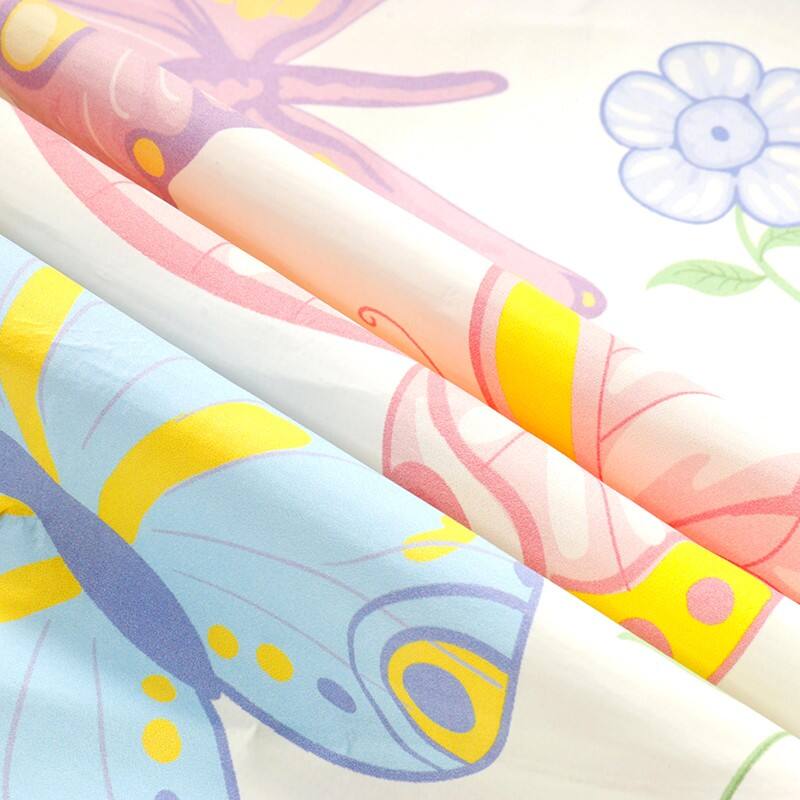
The Revolutionary World of Engineered Textile Materials
The textile industry has witnessed remarkable transformations over the decades, and non-woven fabrics stand at the forefront of this evolution. These innovative materials, created through advanced bonding processes rather than traditional weaving or knitting, have revolutionized numerous industries. From medical supplies to fashion, agriculture to automotive applications, non-woven fabrics have become an integral part of our daily lives, offering unique properties that conventional textiles simply cannot match.
The versatility and efficiency of non-woven fabrics have led to their exponential growth in various sectors. These materials represent a perfect blend of functionality, cost-effectiveness, and sustainability – characteristics that modern industries increasingly demand. As we delve deeper into this fascinating world of engineered textiles, we'll discover how these materials are reshaping manufacturing processes and consumer products across the globe.
Manufacturing Process and Technical Innovation
Advanced Production Methods
The production of non-woven fabrics involves sophisticated processes that differ significantly from traditional textile manufacturing. Rather than relying on weaving or knitting, these materials are created by bonding or interlocking fibers through mechanical, thermal, or chemical processes. This unique manufacturing approach allows for greater control over material properties, enabling customization for specific applications.
Modern manufacturing facilities employ state-of-the-art technology to produce non-woven fabrics with precise specifications. The process begins with carefully selected raw materials, which may include natural fibers, synthetic polymers, or a blend of both. These fibers undergo specialized treatment before being formed into webs and bonded together, resulting in materials with predetermined characteristics such as strength, flexibility, or absorption capacity.
Quality Control and Innovation
The production of non-woven fabrics requires stringent quality control measures to ensure consistency and reliability. Advanced testing equipment monitors various parameters throughout the manufacturing process, from fiber distribution to bonding strength. This attention to detail guarantees that the final product meets exact specifications and performance requirements.
Continuous innovation in manufacturing technology has led to the development of new types of non-woven fabrics with enhanced properties. These advancements include improved barrier protection, better breathability, and increased durability – features that have expanded the potential applications of these versatile materials.
Environmental Impact and Sustainability
Eco-Friendly Production Processes
The environmental advantages of non-woven fabrics are becoming increasingly apparent in today's sustainability-focused world. These materials often require less water and energy to produce compared to traditional woven textiles. The manufacturing process can be optimized to minimize waste and reduce the carbon footprint, making non-woven fabrics an environmentally responsible choice for many applications.
Many manufacturers are now incorporating recycled materials into their non-woven fabric production, further enhancing their environmental credentials. This approach not only helps reduce waste but also creates new opportunities for sustainable product development.
Biodegradable Options and Future Developments
The industry is witnessing a growing trend toward biodegradable non-woven fabrics, particularly in single-use applications. These materials are designed to decompose naturally after use, helping to address concerns about plastic pollution and waste management. Researchers continue to develop new biodegradable fibers and bonding agents that maintain performance while reducing environmental impact.
Future developments in sustainable non-woven fabrics promise even greater environmental benefits. From agricultural applications that naturally decompose after use to medical products with reduced ecological impact, the possibilities continue to expand.
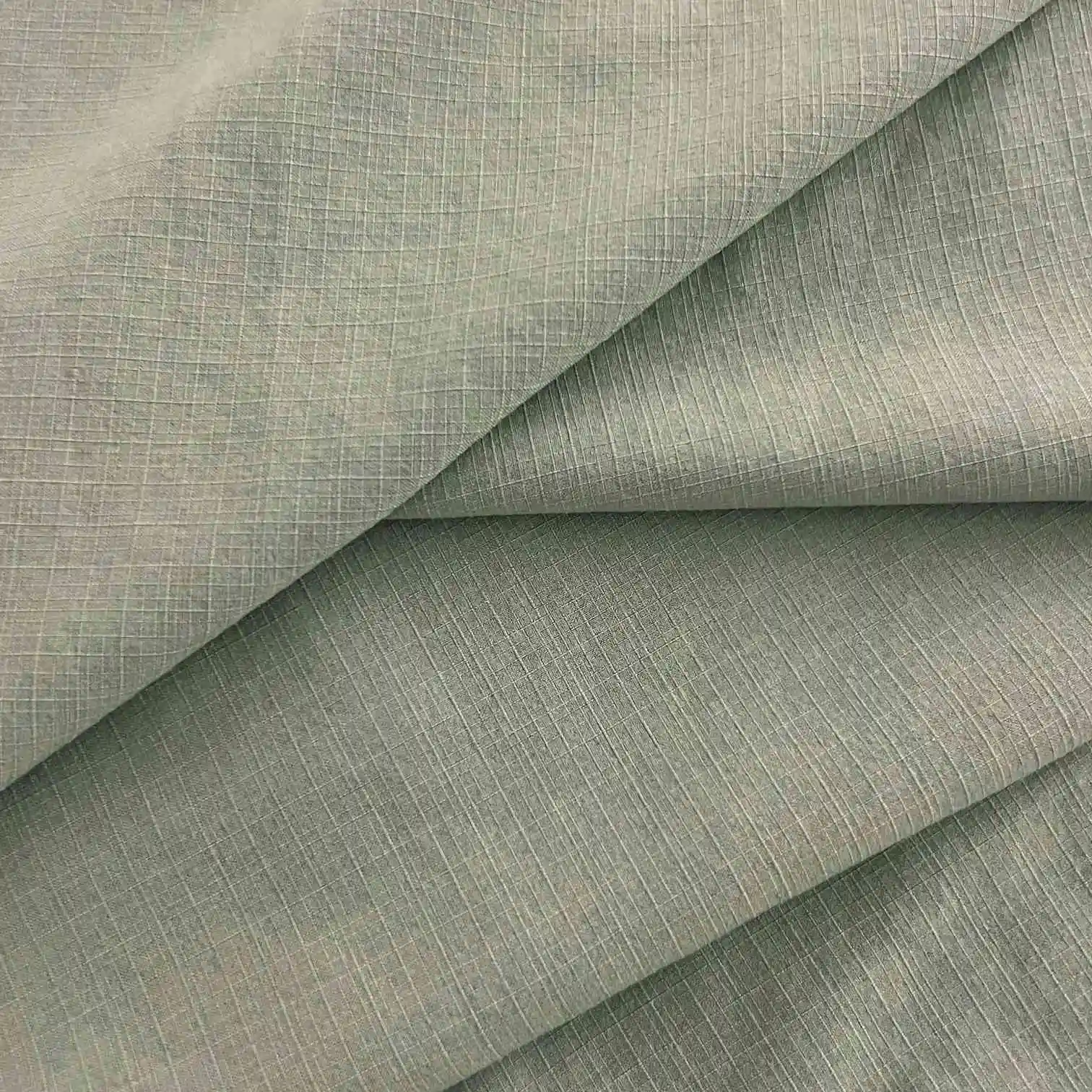
Applications Across Industries
Medical and Healthcare Solutions
The healthcare sector represents one of the largest markets for non-woven fabrics. These materials are essential in producing surgical gowns, face masks, sterilization wraps, and wound dressings. Their ability to provide excellent barrier protection while maintaining breathability makes them ideal for medical applications. The recent global health challenges have further highlighted the critical importance of non-woven fabrics in healthcare settings.
Beyond personal protective equipment, non-woven fabrics play a crucial role in advanced wound care products. Their ability to be engineered with specific properties, such as absorption capacity or antimicrobial characteristics, makes them invaluable in modern medical treatments.
Industrial and Technical Applications
In industrial settings, non-woven fabrics serve numerous purposes, from filtration systems to geotextiles. Their durability and customizable properties make them excellent choices for applications requiring specific performance characteristics. Industries such as automotive manufacturing utilize these materials for sound insulation, interior components, and filtration systems.
The construction industry benefits from non-woven fabrics in applications such as roofing underlayment and geotextiles for soil stabilization. These materials provide essential functions while often reducing overall project costs and improving long-term performance.
Future Trends and Innovations
Smart Textile Integration
The future of non-woven fabrics is closely tied to technological advancement. Smart textiles incorporating sensors and conductive materials are being developed, opening new possibilities in wearable technology and monitoring systems. These innovations could revolutionize both consumer products and industrial applications.
Research continues into creating non-woven fabrics with enhanced functionality, such as temperature-responsive materials or fabrics with embedded electronic components. These developments promise to expand the already diverse applications of these versatile materials.
Market Growth and Economic Impact
The global market for non-woven fabrics continues to expand, driven by increasing demand across various sectors. Economic forecasts predict sustained growth as new applications emerge and existing markets mature. This growth creates opportunities for innovation and investment in the industry.
Emerging markets and developing economies are showing particular interest in non-woven fabric technologies, recognizing their potential to address various challenges in healthcare, agriculture, and infrastructure development.
Frequently Asked Questions
What makes non-woven fabrics different from traditional textiles?
Non-woven fabrics are created by bonding or interlocking fibers through mechanical, thermal, or chemical processes, unlike traditional textiles which are woven or knitted. This unique manufacturing process allows for greater control over material properties and often results in more cost-effective production.
How do non-woven fabrics contribute to sustainability?
Non-woven fabrics often require less water and energy to produce compared to traditional textiles. Many are now made with recycled materials and can be designed to be biodegradable. Their production process typically generates less waste and can be optimized for environmental efficiency.
What are the primary industries using non-woven fabrics?
The main industries utilizing non-woven fabrics include healthcare (medical supplies and equipment), automotive (interior components and filtration), construction (geotextiles and insulation), and consumer goods (hygiene products and cleaning materials). The versatility of these materials continues to expand their applications across new sectors.