 EN
EN

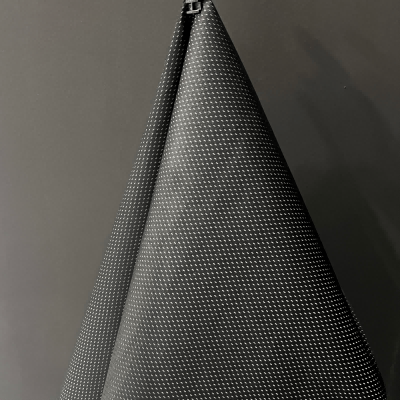
הבנת ההשפעה המהפכנית של טקסטיל סינתטי
בעולם הטקסטיל המתפתח ללא הפסק, ניילון עומד כעדות לחדשנות וליצירתיות אנושית. מאז המצאתו הפורצת דרך על ידי DuPont בשנת 1935, חומר סינתטי זה שינה מהפכני מגזרים רבים, ממגיה ועד יישומים טכנולוגיים. התכונות המרשימות של בד הניילון הפכו אותו לחומר חיוני בחיי היומיום שלנו, והוא מציע שילוב מושלם של עמידות, גמישות וביצועים.
יצרנים מודרניים ממשיכים לגלות יישומים חדשים לחומר הניילון, ודוחפים את הגבולות של מה שאפשרי בהנדסת טקסטיל. המבנה המולקולרי הייחודי שלו מספק חוזק יוצא דופן תוך שמירה על גמישות, מה שהופך אותו לבחירה מועדפת ביישומים פרקטיים ואסתטיים כאחד. ככל שנעמיק בחקירת החומר המדהים הזה, נבחן את היתרונות הרבים שלו ואת הדרכים השונות שבהן הוא משפר את אורח החיים המודרני שלנו.
תכונות חשובות ואפיונים
תכונות פיזיות ומבנה
לבד ניילון יש תכונות פיזיות יוצאות דופן שמבדילות אותו מטקסטיל אחר. הסיבים הסינטטיים שלו נוצרים בתהליך של הפולימריזציה, שיוצר שרשראות ארוכות של מולקולות העומדות בבסיס התכונות המميינות של החומר. המבנה של הבד מאפשר חוזק מתיחה יוצא דופן תוך שמירה על אלסטיות מרשים, המאפשרת לו להחזיר את צורתו המקורית לאחר מתיחה.
הסדר המולקולרי של בד הנילון תורם למשטח חלק שלו ולעמידות בפני שחיקה. תכונות אלו הופכות אותו מתאים במיוחד לשימושים הדורשים עמידות וביצועים עקביים תחת מתח. היכולת לייצר את החומר במשקלים ובעוביים שונים רק מחזקת את התאמתו לשימושים שונים.
תכונות ביצועים
במונחים של ביצועים, נילון מצטיין במספר תחומים. תכונת היבוש המהיר שלו הופכת אותו אידיאלי לביגוד חיצוני ולביגוד ספורט, בעוד העמידות לשומנים ולחומרים כימיים הופכת אותו מתאים לשימושים תעשייתיים. קצב הספיגת הלחות הנמוך של הבד עוזר לשמור על שלמותו המבנית גם בתנאים קשים.
תכונה בולטת נוספת של בד הנילון היא עמידותו העצמית בחום ויכולתו לשמור על צורתו תחת טמפרטורות משתנות. יציבות חימית זו, בשילוב עם התנגדות טבעית לחמרמרים ולעקרוץ, מבטיחה אורך חיים ואמינות בסביבות מגוונות. הטבע הקל של החומר אינו מעריך את עוצמתו, מה שהופך אותו לבחירה יעילה לשימושים שונים.
יישומים בתעשיות שונות
אופנה ולבוש
תעשיית האופנה אימצה את בד הנילון בשל רב-תכליותו ומראהו האסתטי. ממחלצות פעילות קלות עד לבגדים עירוניים יפים, מעצבים משתמשים בתכונות הייחודיות שלו כדי ליצור בגדים חדשניים. היכולת של החומר להיצבע בגוונים זוהרים והברק הטבעי שלו הופכים אותו למשוך במיוחד ליישומים בתחום האופנה.
מותגי בגדי ספורט מתקדמים משתמשים לעיתים קרובות בבד ניילון באוספי הביגוד שלהם, בזכות תכונות הطرחה של הלחות והעמידות שלו. ההתאוששות מהמאמץ והעמידות של החומר בפני שחיקה הופכות אותו למושלם לציוד ספורט, בעוד שהמרקם החלק שלו מספק נוחות במהלך פעילויות גופניות עוצמתיות.
שימושים טכנולוגיים ותעשייתיים
בתעשייה, ייבוא בד ניילון תפקיד חשוב במגוון יישומים. היחס הגבוה בין העומס למשקל הופך אותו לאידיאלי לייצור מצנחים, חבלים וציוד בטיחות. עמידות החומר לכימיקלים ולשחיקה הופכת אותו לבעל ערך בחגורות נע, מסננים וציוד מגן.
תעשיית הרכב משתמשת בבד ניילון בייצור חוטי צמיגים, והנותנת יתרון מיכולתו הגבוהה של הניילון לעמוד במתח ומمقاומו לטמפרטורות. באופן דומה, תחום התעופה והחלל מסתמך על בד הניילון בגלל תכונותיו הקלות ועמידותו בתנאים קיצוניים. הוויסותיות של החומר ממשיכה לפתוח אפשרויות חדשות ביישומים טכנולוגיים.
השלכות סביבתיות וקיימנמיה
השפעת הייצור וחדשנות
הייצור של בד ניילון התפתח כדי לה confronting דאגות סביבתיות. שיטות ייצור מודרניות מתמקדות בהפחתת צריכה של אנרגיה ובמזעור פסולת כימית. יצרנים משקיעים במערכות לולאה סגורה שמנסות למחזר מים וחומרים כימיים המשמשים בתהליך הייצור, ובכך מקטינות משמעותית את ההשפעה הסביבתית.
חידושים אחרונים בייצור בדי ניילון כוללים פיתוח של חלופות מבוססות ביו וחומרים ממוחזרים. התקדמויות אלו מדגימות את מחויבות התעשייה לקיימות תוך שמירה על מאפייני הביצועים המעולים של החומר. שילוב של שיטות עבודה ידידותיות לסביבה ממשיך לעצב את עתיד ייצור בדי הניילון.
מחזור ופיתוחים עתידיים
האפשרות להחזיר למחזור בד ניילון הפכה לנקודת מוקד בפיתוח טקסטיל בר-קיימא. טכנולוגיות מחזור מתקדמות יכולות לנתק מוצרים משומשים מניילון למרכיבים הבסיסיים שלהם, שאותם ניתן לאחר מכן ליצור מחדש לחומרים חדשים. גישה מעגלית זו עוזרת לצמצם פסולת ולתלות פחות בחומרים ראשוניים.
מחקר על גרסאות מתכלהות של בד ניילון מציג תוצאות מבטיחות ליישומים עתידיים. פיתוחים אלו שואפים לשמור על התכונות המועילות של החומר תוך התמודדות עם דאגות סביבתיות בסוף מחזור החיים. הדגש של הענף על קיימות מוביל לחדשנות מתמדת בשיטות ייצור והרכב החומרים.
הנחיות לתחזוקה ואחרות
ניקוי והранה
טיפול נכון בבד ניילון מבטיח אורך חיים וביצועים נשמרים. ניקוי רגיל באמצעות חומרי ניקוי מתאימים עוזר לשמר את תכונות החומר מבלי לגרום נזק. אופיו היבש במהירות של הבד הופך אותו לקל יחסית בטיפול, אם כי הוראות טיפול ספציפיות עשויות להשתנות בהתאם ליישום.
שיקולים לאחסון כוללים הגנה על החומר מפני חשיפה ממושכת לשמש ישירה וטמפרטורות קיצוניות. צמצום הרטיבות מונע הצטברות של לחות, בעוד שמניעה משימוש באובייקטים חדים עוזר לשמור על שלמות המבנית של הבד. עמידה בהנחיות טיפול שצוינו על ידי היצרן מקסימלית את תוחלת החיים של מוצרים מבד ניילון.
שימור לטווח ארוך
כדי להבטיח עמידות לטווח ארוך, חשוב לבצע בדיקה ותחזוקה תקופתית של פריטי בד ניילון. בדיקות שגרתיות למציאת דפוסי שחיקה או נזקים מאפשרות תיקונים בזמן, ומונעות התדרדרות נוספת. ייתכן ששירותי ניקוי מקצועיים יומלצו ליישומים מיוחדים או לפריטים מאוד מלוכלכים.
יישום של שיטות טיפול ואחסון מתאימות עוזר לשמור על תכונות הביצועים של החומר לאורך זמן. הבנת דרישות הטיפול הספציפיות ליישומים שונים של בד ניילון מבטיחה תוצאות אופטימליות וחיים ארוכים יותר של המוצר.
שאלות נפוצות
מה גורם לבד ניילון להיות שונה מחומרים סינתטיים אחרים?
בד ניילון מבדיל את עצמו באמצעות שילוב ייחודי של חוזק, אלסטיות ועמידות. בניגוד לחומרים סינתטיים אחרים, הוא מציע עמידות מעולה בפני שחיקה תוך שמירה על גמישות ונוחות. המבנה המולקולרי שלו מספק חוזק מתיחה יוצא דופן והיכולת לחזור לצורתו המקורית לאחר מתיחה.
איך מזג האוויר משפיע על ביצועי בד הניילון?
בד ניילון מציג עמידות יוצאת דופן בפני מגוון תנאי מזג אוויר. הוא שומר על שלמותו המבנית בסביבות חמות וקרות כאחת, אם כי חשיפה ממושכת לקרני UV עלולה להשפיע על חיזוקו לאורך זמן. תכונותיו של החומר להתייבשות מהירה ועמידות בפני רטיבות הופכות אותו למתאים במיוחד לשימוש בחוץ.
האם ניתן למחזר בד ניילון בצורה יעילה?
כן, ניתן למחזר יריעת ניילון בצורה יעילה באמצעות שיטות עיבוד מתקדמות. טכנולוגיות מחזור מודרניות יכולות לנתק מוצרים מניילון למרכיביהם הבסיסיים, שאותם ניתן לאחר מכן להשתמש ביצירת חומרים חדשים. היבט זה של מחזור תורם לפופולריות הגוברת של החומר בעקרונות ייצור בר-קיימא.