 EN
EN

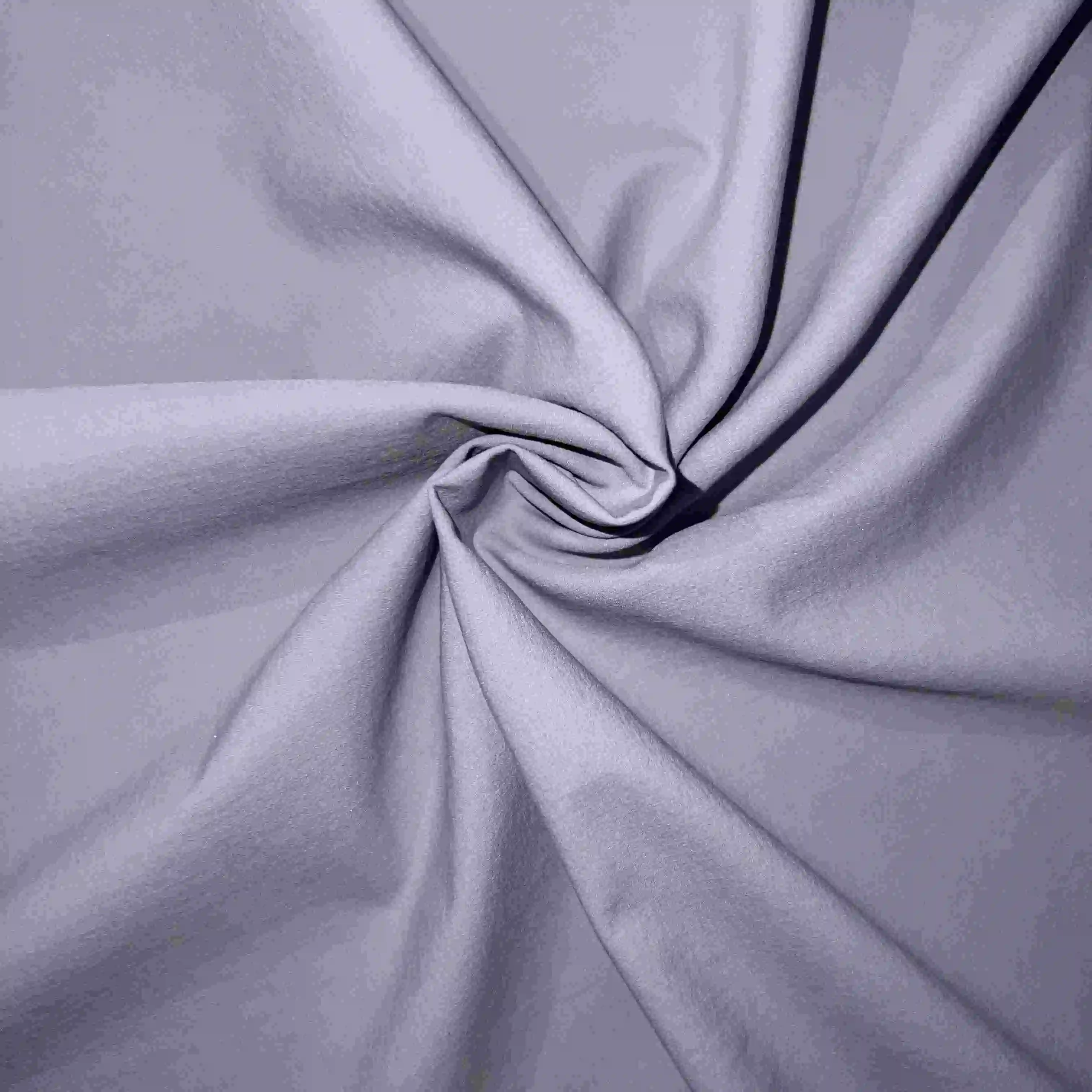
The textile industry continues to evolve with innovative materials that balance comfort, sustainability, and versatility. Among these materials, rayon fabrics stand out as a remarkable semi-synthetic fiber that bridges the gap between natural and synthetic textiles. This unique positioning has made rayon fabrics increasingly popular across various applications, from fashion and home textiles to industrial uses. Understanding the properties, manufacturing processes, and applications of rayon fabrics becomes essential for businesses seeking to make informed decisions about their textile sourcing strategies.
The global demand for rayon fabrics has surged dramatically over the past decade, driven by consumers' increasing awareness of environmental sustainability and the desire for comfortable, breathable textiles. Manufacturing facilities worldwide have responded by investing in advanced production technologies that enhance the quality and reduce the environmental impact of rayon fabrics. This transformation represents a significant shift in how the textile industry approaches fiber production, emphasizing both performance characteristics and ecological responsibility.
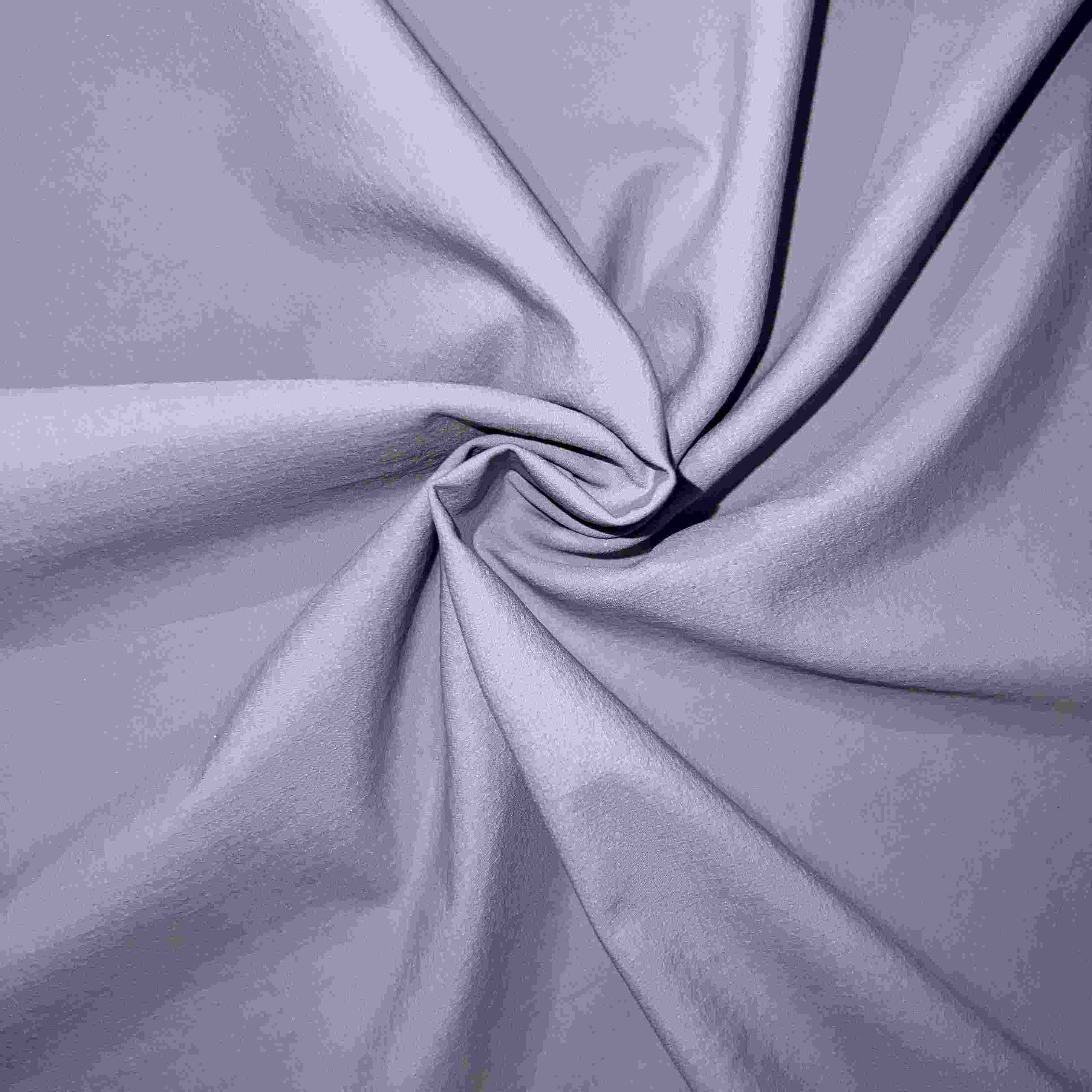
Understanding Rayon Fabric Composition and Properties
Chemical Structure and Manufacturing Process
Rayon fabrics originate from natural cellulose, typically sourced from wood pulp, bamboo, or cotton linters. The manufacturing process involves dissolving cellulose in chemical solutions to create a viscous liquid that can be extruded through spinnerets to form continuous filaments. These filaments are then processed into yarns and woven or knitted into rayon fabrics with distinct characteristics that set them apart from both natural and purely synthetic alternatives.
The regeneration process that creates rayon fabrics allows manufacturers to control various properties including fiber diameter, strength, and surface texture. Modern production facilities employ sophisticated monitoring systems to ensure consistent quality throughout the manufacturing cycle. This precision control enables the creation of rayon fabrics with specific performance characteristics tailored to different end-use applications, from delicate fashion garments to durable industrial textiles.
Physical and Performance Characteristics
The molecular structure of rayon fabrics contributes to their exceptional moisture absorption capabilities, often exceeding those of cotton by significant margins. This high absorbency makes rayon fabrics particularly suitable for applications requiring superior moisture management, such as activewear, undergarments, and home textiles. The fiber's hydrophilic nature also contributes to excellent dyeability, allowing rayon fabrics to achieve vibrant colors with superior color fastness properties.
Thermal properties of rayon fabrics make them ideal for various climate conditions. The fiber's structure allows for effective heat dissipation while maintaining insulation properties when needed. Additionally, rayon fabrics exhibit excellent drapeability and hand feel, characteristics that have made them increasingly popular in high-end fashion applications. The natural luster of rayon fabrics provides an elegant appearance that rivals silk while maintaining cost-effectiveness and durability.
Types and Variations of Rayon Fabrics
Viscose Rayon and Its Applications
Viscose represents the most common type of rayon fabrics, characterized by its silk-like appearance and soft texture. The viscose manufacturing process creates rayon fabrics with excellent draping qualities and moisture absorption, making them suitable for a wide range of applications. Fashion designers particularly favor viscose rayon fabrics for creating flowing garments, blouses, and linings that require both comfort and aesthetic appeal.
Industrial applications of viscose rayon fabrics extend beyond fashion into technical textiles. The fiber's chemical resistance and dimensional stability make it valuable for filtration applications, medical textiles, and specialty industrial products. Manufacturers can modify the spinning process to create rayon fabrics with enhanced strength characteristics suitable for demanding industrial environments while maintaining the inherent benefits of the cellulosic structure.
Modal and Lyocell Variations
Modal rayon fabrics represent an advanced generation of regenerated cellulose fibers with enhanced durability and dimensional stability. The modified manufacturing process creates rayon fabrics with superior wet strength, reduced shrinkage, and improved color retention. These characteristics make modal rayon fabrics particularly suitable for home textiles, including bed linens, towels, and upholstery applications where dimensional stability is crucial.
Lyocell, another variation of rayon fabrics, is produced using an environmentally friendly closed-loop process that recycles solvents and minimizes waste. This manufacturing approach creates rayon fabrics with exceptional strength, moisture management, and antibacterial properties. The unique fiber structure of lyocell rayon fabrics provides excellent breathability while maintaining smooth surface characteristics that resist pilling and maintain appearance over extended use periods.
Quality Assessment and Testing Standards
Physical Testing Parameters
Comprehensive quality evaluation of rayon fabrics requires systematic testing across multiple parameters including tensile strength, elongation, abrasion resistance, and dimensional stability. Standard testing protocols ensure that rayon fabrics meet specified performance requirements for their intended applications. Tensile testing measures the breaking strength and elongation characteristics that determine how rayon fabrics will perform under stress during manufacturing and end-use applications.
Moisture-related testing of rayon fabrics includes absorption rate, wicking properties, and drying characteristics. These parameters are crucial for applications where moisture management affects comfort and performance. Advanced testing equipment can simulate real-world conditions to evaluate how rayon fabrics respond to varying humidity levels, temperature changes, and mechanical stress over time.
Chemical and Environmental Testing
Chemical resistance testing ensures that rayon fabrics maintain their properties when exposed to various substances encountered in processing and end-use environments. This includes testing for pH stability, chemical compatibility, and resistance to common household and industrial chemicals. Environmental testing evaluates how rayon fabrics respond to UV exposure, temperature cycling, and other environmental factors that could affect long-term performance.
Colorfastness testing represents a critical aspect of rayon fabrics quality assessment, particularly for fashion and home textile applications. Standard protocols evaluate color retention under various conditions including washing, light exposure, perspiration, and rubbing. These tests ensure that rayon fabrics maintain their aesthetic appeal throughout their intended service life while meeting consumer expectations for appearance retention.
Applications Across Different Industries
Fashion and Apparel Manufacturing
The fashion industry has embraced rayon fabrics for their versatility, comfort, and aesthetic properties. Designers utilize rayon fabrics to create garments ranging from casual wear to formal attire, taking advantage of the fiber's excellent draping characteristics and silk-like appearance. The ability of rayon fabrics to accept dyes readily allows for vibrant color palettes and complex printing patterns that enhance design possibilities.
Blending rayon fabrics with other fibers creates hybrid textiles with enhanced performance characteristics. Common blends combine rayon with cotton, polyester, or spandex to achieve specific properties such as improved durability, stretch recovery, or moisture management. These blended rayon fabrics offer manufacturers flexibility in creating products that meet precise performance specifications while maintaining cost-effectiveness.
Home Textiles and Interior Applications
Home textile manufacturers increasingly specify rayon fabrics for bedding, window treatments, and upholstery applications. The natural feel and breathability of rayon fabrics contribute to improved sleep comfort in bedding applications, while their draping qualities enhance the aesthetic appeal of curtains and decorative textiles. The moisture absorption properties of rayon fabrics make them suitable for bath linens and other high-moisture environments.
Upholstery applications of rayon fabrics benefit from the fiber's dimensional stability and resistance to pilling. Furniture manufacturers choose rayon fabrics for their ability to maintain appearance over extended use while providing comfort and durability. The natural antimicrobial properties of certain rayon fabrics types add value in applications where hygiene considerations are important.
Sustainability and Environmental Considerations
Raw Material Sourcing and Forest Stewardship
Sustainable production of rayon fabrics begins with responsible sourcing of cellulose raw materials. Leading manufacturers have implemented forest stewardship programs that ensure wood pulp sources come from sustainably managed forests with certified regeneration practices. This approach to raw material sourcing helps maintain biodiversity while providing renewable feedstock for rayon fabrics production.
Alternative cellulose sources for rayon fabrics include agricultural waste products, bamboo, and other rapidly renewable resources. These innovative approaches reduce pressure on traditional forest resources while creating valuable applications for materials that might otherwise be waste products. The development of rayon fabrics from alternative sources represents a significant advancement in sustainable textile manufacturing.
Manufacturing Process Optimization
Modern rayon fabrics manufacturing facilities have implemented closed-loop processing systems that significantly reduce water consumption and chemical waste. These advanced systems recycle solvents and processing chemicals, minimizing environmental impact while maintaining product quality. Energy efficiency improvements in rayon fabrics production include heat recovery systems, optimized process flows, and renewable energy integration.
Waste reduction strategies in rayon fabrics manufacturing focus on maximizing yield and finding beneficial uses for byproducts. Process optimization reduces the generation of waste materials while improving overall efficiency. Some facilities have achieved zero liquid discharge status, demonstrating that rayon fabrics can be produced with minimal environmental impact when appropriate technologies are implemented.
Market Trends and Future Developments
Technological Innovations in Production
Emerging technologies in rayon fabrics manufacturing include advanced spinning techniques, modified chemical processes, and innovative fiber structures. These developments aim to enhance performance characteristics while reducing environmental impact and production costs. Nanotechnology applications in rayon fabrics processing enable the incorporation of functional properties such as antimicrobial effects, UV protection, and enhanced moisture management.
Digital manufacturing technologies are transforming how rayon fabrics are designed and produced. Computer-controlled processing systems enable precise control of fiber properties, while digital design tools allow for rapid prototyping and customization of rayon fabrics for specific applications. These technological advances support the trend toward more personalized and application-specific textile products.
Consumer Preferences and Market Demand
Growing consumer awareness of sustainability issues has increased demand for rayon fabrics produced using environmentally responsible methods. Brands are responding by developing supply chain transparency initiatives that highlight the sustainable aspects of rayon fabrics production. Certification programs and sustainability standards help consumers identify rayon fabrics that meet their environmental criteria.
Performance requirements for rayon fabrics continue to evolve as consumers seek textiles that combine comfort, durability, and functionality. Active lifestyle trends drive demand for rayon fabrics with enhanced moisture management, odor resistance, and thermal regulation properties. These market forces encourage continued innovation in rayon fabrics development and manufacturing processes.
FAQ
What makes rayon fabrics different from other synthetic fibers?
Rayon fabrics are semi-synthetic fibers made from natural cellulose, giving them properties that bridge natural and synthetic textiles. Unlike purely synthetic fibers derived from petroleum, rayon fabrics start with renewable plant materials, providing natural breathability and moisture absorption while maintaining the consistency and versatility of manufactured fibers.
How should rayon fabrics be cared for to maintain their quality?
Proper care of rayon fabrics depends on the specific type and construction, but generally includes gentle washing in cool water, avoiding excessive wringing or twisting when wet, and careful attention to drying methods. Many rayon fabrics benefit from air drying or low-heat machine drying to prevent shrinkage and maintain dimensional stability over time.
Are rayon fabrics suitable for sensitive skin applications?
Rayon fabrics are generally well-tolerated by sensitive skin due to their smooth surface texture and natural moisture-wicking properties. The breathability of rayon fabrics helps reduce moisture buildup that can cause irritation, while their soft hand feel minimizes friction against the skin. However, individual sensitivities may vary, and testing is recommended for highly sensitive applications.
What environmental certifications should buyers look for in rayon fabrics?
Key environmental certifications for rayon fabrics include FSC (Forest Stewardship Council) for responsible sourcing, OEKO-TEX standards for chemical safety, and cradle-to-cradle certifications for overall sustainability. Additionally, manufacturers may hold ISO 14001 environmental management certifications and participate in industry-specific sustainability programs that demonstrate commitment to responsible rayon fabrics production.