 EN
EN

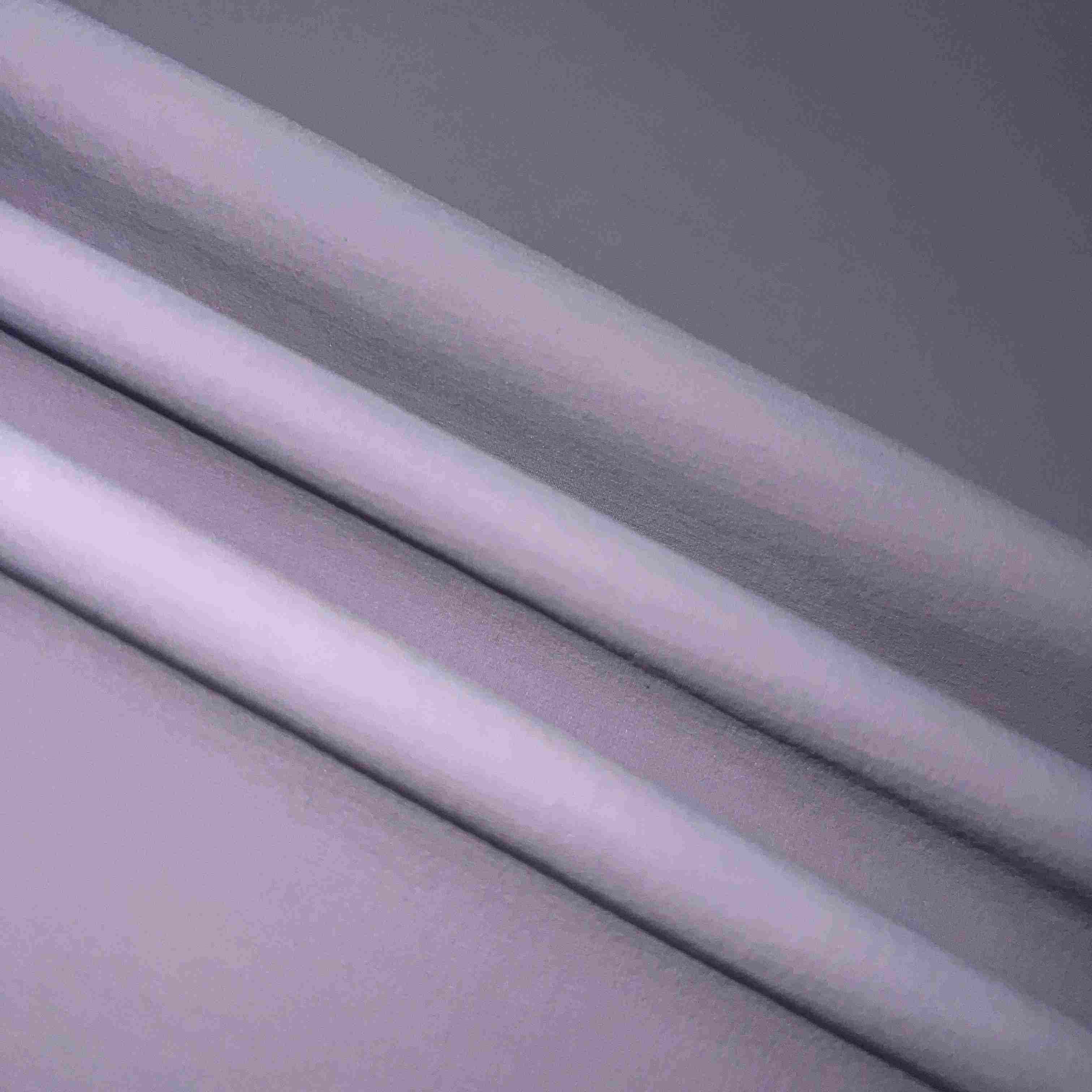
The fashion and textile industry continues to evolve with innovative materials that combine comfort, style, and functionality. Among these materials, rayon fabric stands out as a versatile choice that bridges the gap between natural and synthetic fibers. This semi-synthetic material has revolutionized garment manufacturing by offering the luxurious feel of silk with the practicality of modern textile engineering. Understanding the properties and applications of rayon fabric becomes essential for manufacturers, designers, and consumers seeking optimal textile solutions.
Understanding the Fundamentals of Rayon Fabric
Chemical Composition and Manufacturing Process
The production of rayon fabric begins with natural cellulose derived from wood pulp, cotton linters, or bamboo. Through a sophisticated chemical process, manufacturers dissolve the cellulose using various solvents and then regenerate it into fiber form. This process creates a material that retains many natural fiber characteristics while incorporating enhanced properties. The viscose process, one of the most common manufacturing methods for rayon fabric, involves treating cellulose with carbon disulfide and sodium hydroxide to create a viscous solution that can be spun into continuous filaments.
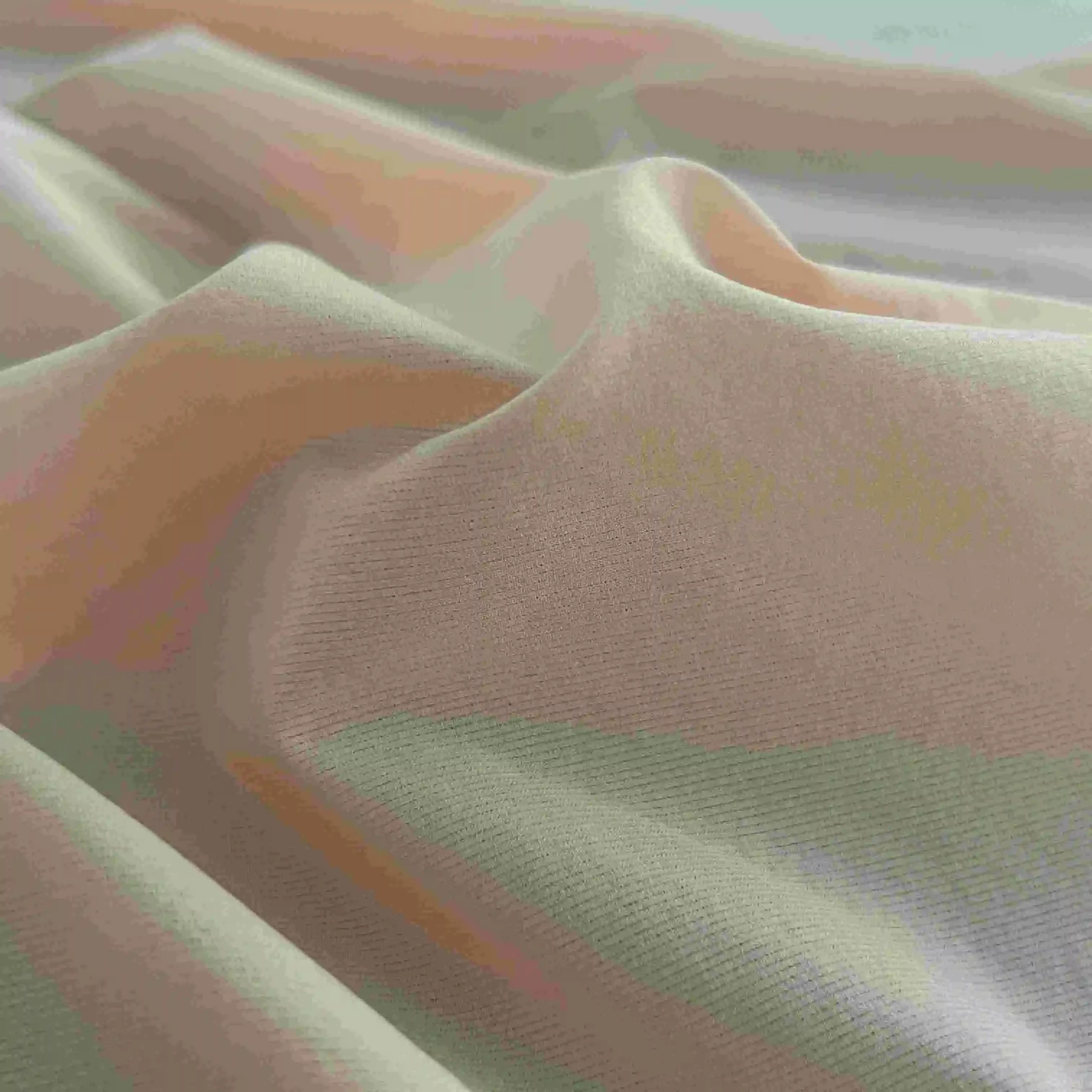
Different manufacturing techniques produce various types of rayon fabric, each with distinct characteristics. Modal rayon undergoes additional processing that results in stronger, more durable fibers with improved wet strength. Lyocell rayon utilizes a closed-loop production system that recycles solvents, making it more environmentally sustainable. The choice of manufacturing method directly impacts the final properties of the rayon fabric, including its drape, durability, and care requirements.
Physical Properties and Characteristics
The unique structure of rayon fabric gives it exceptional draping qualities that closely mimic natural silk. The fibers possess a smooth surface that reflects light beautifully, creating an elegant sheen that enhances the visual appeal of finished garments. This lustrous quality makes rayon fabric particularly desirable for formal wear, evening gowns, and luxury apparel where visual impact is paramount. The fiber's inherent flexibility allows for excellent fabric flow and movement, characteristics that designers value when creating garments with graceful silhouettes.
Moisture absorption represents another significant advantage of rayon fabric, with the material capable of absorbing up to 50% more moisture than cotton. This property makes rayon fabric comfortable to wear in various climatic conditions, as it helps regulate body temperature through efficient moisture management. The breathable nature of rayon fabric prevents the buildup of heat and humidity against the skin, contributing to overall wearing comfort throughout extended periods.
Applications in Modern Textile Manufacturing
Apparel and Fashion Industry Uses
The fashion industry extensively utilizes rayon fabric across multiple garment categories due to its versatility and aesthetic appeal. Designers frequently choose this material for creating flowing dresses, elegant blouses, and sophisticated evening wear where drape and movement are essential design elements. The fabric's ability to hold vibrant colors and complex prints makes it ideal for fashion pieces that require visual impact and color retention over time.
Casual wear manufacturers also appreciate rayon fabric for its comfort and easy-care properties. T-shirts, casual dresses, and summer clothing made from rayon fabric offer consumers the perfect balance of comfort and style. The material's lightweight nature and cooling properties make it particularly suitable for warm-weather clothing, while its wrinkle-resistant qualities reduce maintenance requirements for busy consumers.
Industrial and Technical Applications
Beyond fashion applications, rayon fabric serves important roles in industrial and technical textile sectors. The material's absorbent properties make it valuable for manufacturing medical textiles, including surgical gowns, wound dressings, and hygiene products. The biocompatible nature of rayon fabric ensures safe contact with human skin, while its ability to be sterilized makes it suitable for healthcare applications.
Home textile manufacturers incorporate rayon fabric into bedding, curtains, and upholstery fabrics where softness and drape are desired. The material's dimensional stability and color-fastness properties ensure long-lasting performance in these applications. Additionally, rayon fabric blends well with other fibers, allowing manufacturers to create composite materials that combine the best properties of different fiber types.
Advantages and Benefits of Rayon Fabric
Comfort and Wearing Experience
The exceptional comfort provided by rayon fabric stems from its unique fiber structure and surface characteristics. The smooth fiber surface reduces friction against the skin, preventing irritation and enhancing wearing comfort throughout the day. This quality makes rayon fabric particularly suitable for individuals with sensitive skin or those who require extended wear comfort in professional or formal settings.
Temperature regulation represents another significant comfort advantage of rayon fabric. The material's breathable structure allows air circulation while its moisture-wicking properties help maintain optimal skin temperature. This combination of features makes rayon fabric ideal for garments worn in varying environmental conditions, from air-conditioned offices to warm outdoor settings.
Aesthetic and Design Benefits
The visual appeal of rayon fabric contributes significantly to its popularity in fashion and decorative applications. The material's natural luster creates depth and richness in colors, making garments appear more luxurious and visually striking. This quality allows designers to achieve high-end aesthetics without the premium costs associated with natural silk or other luxury fibers.
Rayon fabric also demonstrates excellent dye affinity, resulting in vibrant, long-lasting colors that resist fading over time. The material readily accepts various printing techniques, enabling manufacturers to create complex patterns and designs with sharp definition and color accuracy. This versatility makes rayon fabric an excellent choice for fashion-forward designs and seasonal collections that require quick adaptation to changing trends.
Care and Maintenance Guidelines
Proper Washing and Cleaning Techniques
Maintaining rayon fabric requires understanding its unique care requirements to preserve its appearance and longevity. Unlike purely synthetic materials, rayon fabric can be sensitive to harsh chemicals and high temperatures, necessitating gentle care approaches. Machine washing should be conducted using cool water temperatures and mild detergents specifically formulated for delicate fabrics.
The wet strength of rayon fabric varies depending on the specific type and manufacturing process used. Viscose rayon becomes weaker when wet, requiring careful handling during washing and drying processes. Gentle cycle settings and minimal agitation help prevent fiber damage and maintain the fabric's structural integrity throughout the cleaning process.
Drying and Storage Considerations
Proper drying techniques significantly impact the longevity and appearance of rayon fabric garments. Air drying represents the safest method, as high heat from conventional dryers can cause shrinkage and fiber damage. When air drying rayon fabric items, hanging them in well-ventilated areas away from direct sunlight helps prevent color fading while allowing proper moisture evaporation.
Storage practices for rayon fabric garments should focus on maintaining fiber integrity and preventing wrinkles. Using breathable garment bags and cedar hangers helps preserve fabric shape while protecting against moisture and pest damage. Proper folding techniques for rayon fabric items minimize creasing and reduce the need for frequent pressing or steaming.
Environmental Impact and Sustainability
Production Environmental Considerations
The environmental impact of rayon fabric production has become increasingly important as sustainability concerns grow within the textile industry. Traditional viscose production processes involve chemical solvents that require careful management to prevent environmental contamination. However, modern manufacturing facilities have implemented closed-loop systems that capture and recycle these chemicals, significantly reducing environmental impact.
Sustainable sourcing of raw materials for rayon fabric production represents another critical environmental consideration. Responsible manufacturers source cellulose from sustainably managed forests and certified wood sources, ensuring that rayon fabric production supports forest conservation efforts rather than contributing to deforestation.
End-of-Life Disposal and Recycling
The biodegradable nature of rayon fabric provides environmental advantages over purely synthetic materials. When disposed of properly, rayon fabric decomposes naturally without leaving persistent pollutants in the environment. This characteristic aligns with circular economy principles and reduces the long-term environmental burden of textile waste.
Recycling opportunities for rayon fabric continue to expand as technology advances. Some manufacturers have developed processes for breaking down used rayon fabric garments and converting them back into raw materials for new textile production. These initiatives represent important steps toward creating more sustainable textile supply chains and reducing waste in the fashion industry.
Quality Standards and Testing Methods
Industry Standards and Specifications
Quality assurance for rayon fabric involves comprehensive testing protocols that evaluate various performance characteristics. Industry standards such as ASTM and ISO specifications provide standardized methods for measuring tensile strength, elongation, and dimensional stability of rayon fabric products. These testing protocols ensure consistent quality and performance across different manufacturers and product lines.
Color fastness testing represents another critical quality assessment for rayon fabric, particularly given its extensive use in fashion applications. Standard test methods evaluate how well colors resist fading under various conditions including washing, light exposure, and perspiration. These tests help manufacturers and consumers understand the long-term appearance retention of rayon fabric products.
Performance Evaluation Criteria
Comprehensive performance evaluation of rayon fabric encompasses multiple factors that affect end-user satisfaction. Drape characteristics, measured through standardized cantilever and circular bend tests, quantify the fabric's flow and movement properties that contribute to garment aesthetics. These measurements help designers select appropriate rayon fabric grades for specific applications.
Comfort properties of rayon fabric are evaluated through moisture management testing, thermal resistance measurements, and tactile assessments. These evaluations provide objective data about how rayon fabric performs in real-world wearing conditions, helping manufacturers optimize their products for specific market segments and applications.
Future Trends and Innovations
Technological Advancements in Production
Emerging technologies in rayon fabric production focus on improving sustainability while maintaining or enhancing performance characteristics. Advanced fiber spinning techniques are being developed to create rayon fabric with improved strength and durability properties. These innovations may reduce the performance gap between rayon fabric and purely synthetic alternatives while maintaining the natural comfort characteristics that make rayon desirable.
Nanotechnology applications in rayon fabric treatment offer possibilities for enhanced functionality without compromising the material's inherent properties. Treatments that improve stain resistance, antimicrobial properties, or UV protection could expand the applications for rayon fabric into technical textile markets while maintaining its appeal in fashion applications.
Market Development and Applications
The growing demand for sustainable textile options positions rayon fabric favorably for future market expansion. As consumers become more environmentally conscious, the biodegradable nature and renewable raw material sources of rayon fabric provide competitive advantages over petroleum-based synthetic alternatives. This trend is likely to drive increased research and development investment in rayon fabric technologies.
Smart textile applications represent an emerging opportunity for rayon fabric integration. The material's ability to accept various chemical treatments and its compatibility with conductive fibers could enable the development of intelligent textiles that incorporate sensors, heating elements, or other electronic components while maintaining the comfort and aesthetic appeal associated with rayon fabric products.
FAQ
What makes rayon fabric different from other synthetic materials
Rayon fabric differs from purely synthetic materials because it originates from natural cellulose, making it a semi-synthetic fiber rather than a completely artificial one. This natural origin gives rayon fabric superior breathability, moisture absorption, and biodegradability compared to materials like polyester or nylon. The manufacturing process transforms natural cellulose into a regenerated fiber that maintains many natural characteristics while incorporating enhanced properties through controlled production methods.
How should I care for garments made from rayon fabric
Caring for rayon fabric requires gentle handling due to its reduced wet strength compared to synthetic materials. Use cool water temperatures, mild detergents, and gentle cycle settings when machine washing. Avoid wringing or excessive agitation while wet, and air dry garments away from direct sunlight to prevent shrinkage and color fading. For best results, many rayon fabric items benefit from professional cleaning, especially structured garments or those with complex constructions.
Can rayon fabric be used for outdoor or activewear applications
While rayon fabric offers excellent moisture absorption and breathability, its reduced wet strength makes it less suitable for high-performance outdoor or activewear applications compared to synthetic alternatives. However, rayon fabric blends that combine rayon with stronger synthetic fibers can provide improved durability while maintaining comfort benefits. For casual outdoor wear or warm-weather activities, rayon fabric can provide excellent comfort, but it may not be the best choice for intensive sports or activities requiring high durability.
Is rayon fabric environmentally friendly compared to other textile materials
Rayon fabric presents both environmental advantages and challenges compared to other textile materials. Its biodegradable nature and renewable cellulose source provide benefits over petroleum-based synthetics, while modern closed-loop production systems reduce chemical waste. However, the production process requires careful chemical management, and sourcing practices must ensure sustainable forestry. Overall, responsibly produced rayon fabric can be more environmentally friendly than many synthetic alternatives, though it may not match the minimal processing impact of some natural fibers like organic cotton or linen.