 EN
EN

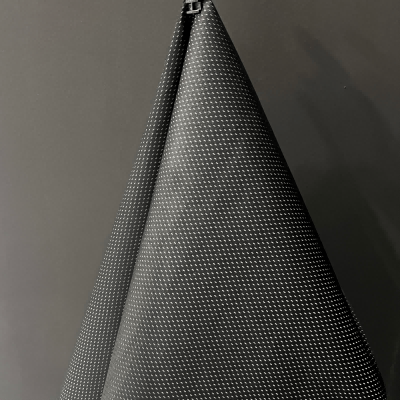
Understanding the Art of Fabric Selection in Fashion
The journey of creating the perfect garment begins with selecting the right fashion fabric. This crucial decision influences not only how a piece looks but also how it feels, moves, and ultimately expresses your personal style. Whether you're a budding designer, a home sewist, or simply someone who appreciates quality clothing, understanding fabric selection can transform your fashion choices.
Fashion fabric serves as the foundation of every garment, determining its drape, durability, comfort, and overall aesthetic appeal. The right fabric can elevate a simple design into a stunning masterpiece, while the wrong choice can compromise even the most innovative concept. As we delve deeper into the world of textile selection, you'll discover how to make informed choices that align with your vision and practical needs.
Essential Characteristics of Quality Fashion Fabrics
Fiber Content and Its Impact
The fiber composition of fashion fabric plays a pivotal role in determining its properties. Natural fibers like cotton, silk, wool, and linen offer breathability and comfort, making them excellent choices for everyday wear. Synthetic fibers such as polyester, nylon, and spandex provide durability, stretch, and wrinkle resistance. Understanding these characteristics helps you choose fabrics that meet both your aesthetic and functional requirements.
Many modern fashion fabrics combine different fibers to create blends that offer the best of both worlds. For instance, a cotton-polyester blend provides the comfort of cotton with the easy-care properties of polyester. Similarly, adding spandex to woven fabrics creates stretch and recovery, essential for fitted garments.
Weight and Drape Considerations
The weight of fashion fabric significantly impacts how a garment hangs and moves on the body. Lightweight fabrics like chiffon, silk, and fine cotton create flowing, ethereal silhouettes perfect for summer dresses and blouses. Medium-weight fabrics such as poplin, twill, and jersey suit a wide range of garments from shirts to dresses. Heavy-weight materials like denim, wool coating, and velvet provide structure and warmth, ideal for outerwear and winter clothing.
Drape refers to how fabric falls and forms around the body. Soft, fluid fabrics with excellent drape create elegant, body-skimming silhouettes. Stiffer fabrics hold their shape and can create more architectural designs. Testing a fabric's drape by holding it up and observing how it falls helps visualize the final garment.
Seasonal Considerations in Fabric Selection
Summer-Appropriate Materials
When selecting fashion fabric for summer garments, prioritize breathability and moisture-wicking properties. Natural fibers like cotton, linen, and silk excel in warm weather, allowing air circulation and moisture absorption. Light colors reflect sunlight and help keep you cool. Consider texture too – open weaves and lightweight constructions promote airflow.
Modern technical fashion fabrics also offer excellent summer options. Performance materials with UV protection and moisture-wicking properties combine functionality with style. These innovative textiles often feature special treatments that enhance their comfort in hot weather while maintaining a fashionable appearance.
Winter-Worthy Textiles
Cold weather demands fashion fabric that provides warmth without bulk. Wool and its variations, including merino, cashmere, and wool blends, offer excellent insulation. Layer-friendly fabrics like medium-weight jersey and ponte roma create comfortable, warm garments that don't restrict movement.
Technical winter fashion fabrics often incorporate thermal properties while maintaining a sleek appearance. Materials with brushed backs, fleece linings, or special insulating treatments provide warmth without sacrificing style. Consider water-resistant treatments for outerwear fabrics to enhance functionality.
Pattern and Print Selection
Scale and Proportion
The scale of prints in fashion fabric should complement both the garment design and the wearer's proportions. Large-scale prints make bold statements but can overwhelm petite frames or small pattern pieces. Smaller prints offer versatility and often work well in detailed designs. Consider how the print will look when cut and sewn – pattern placement becomes crucial with distinctive designs.
Directional prints require special attention during layout and cutting. These patterns, whether stripes, one-way designs, or border prints, need careful planning to ensure proper alignment and visual flow in the finished garment. Factor in additional fabric requirements when working with patterns that need matching across seams.
Color Coordination
Color selection in fashion fabric goes beyond personal preference. Consider your skin tone, existing wardrobe, and the garment's intended use. Neutral fabrics offer versatility and longevity, while bold colors make statement pieces. Remember that colors can appear different under various lighting conditions – always check fabric swatches in natural light.
Color combinations within prints should harmonize with your planned styling. Multi-colored prints can expand styling options by providing several accent colors to work with. Consider the season and current color trends while staying true to your personal style preferences.
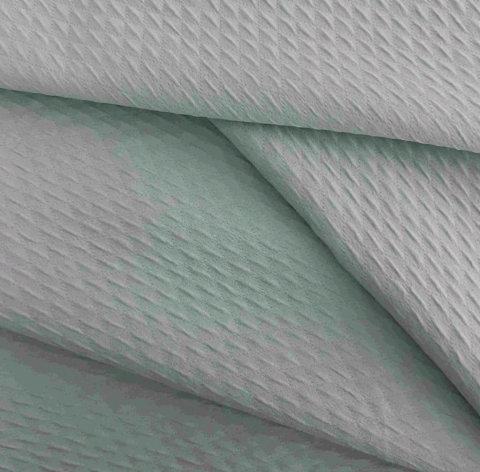
Care and Maintenance Requirements
Washing and Cleaning Protocols
Different fashion fabric types require specific care methods to maintain their appearance and longevity. Natural fibers often need gentle washing and may shrink or fade without proper care. Synthetic materials generally offer easier maintenance but might require special attention to prevent static or pilling.
Consider your lifestyle and willingness to maintain special care requirements when selecting fabric. Some luxury materials demand dry cleaning or hand washing, while others can withstand regular machine washing. Always pre-wash fashion fabric before cutting to prevent unexpected shrinkage in finished garments.
Storage and Longevity
Proper storage extends the life of fashion fabric and finished garments. Delicate materials need protection from direct sunlight and dust. Some fabrics, particularly natural fibers, require breathable storage conditions to prevent moisture damage. Understanding these requirements helps maintain your fabric investment.
Consider the fabric's resistance to wear and tear, especially for frequently used garments. Some materials may pill, fade, or wear thin more quickly than others. Investing in quality fashion fabric often results in better longevity, even with regular use.
Frequently Asked Questions
How can I test fashion fabric quality before purchasing?
To assess fashion fabric quality, perform several simple tests: Check the weave density by holding it up to light, test its recovery by scrunching a corner and observing how it releases, and examine the color fastness by rubbing a white cloth against it. Request samples when possible to test washing and handling before committing to larger quantities.
What fashion fabric works best for beginners?
Medium-weight, stable fabrics like cotton poplin, linen blends, and ponte roma knits are excellent choices for beginners. These materials are easier to handle, cut, and sew compared to slippery or delicate fabrics. They also tend to be more forgiving of minor sewing imperfections.
How much should I invest in fashion fabric?
Investment in fashion fabric should align with the garment's intended use and longevity. For special occasions or frequently worn items, higher quality materials justify greater expense. Consider cost per wear – an expensive but durable fabric might prove more economical long-term than cheaper alternatives that wear out quickly.