 EN
EN

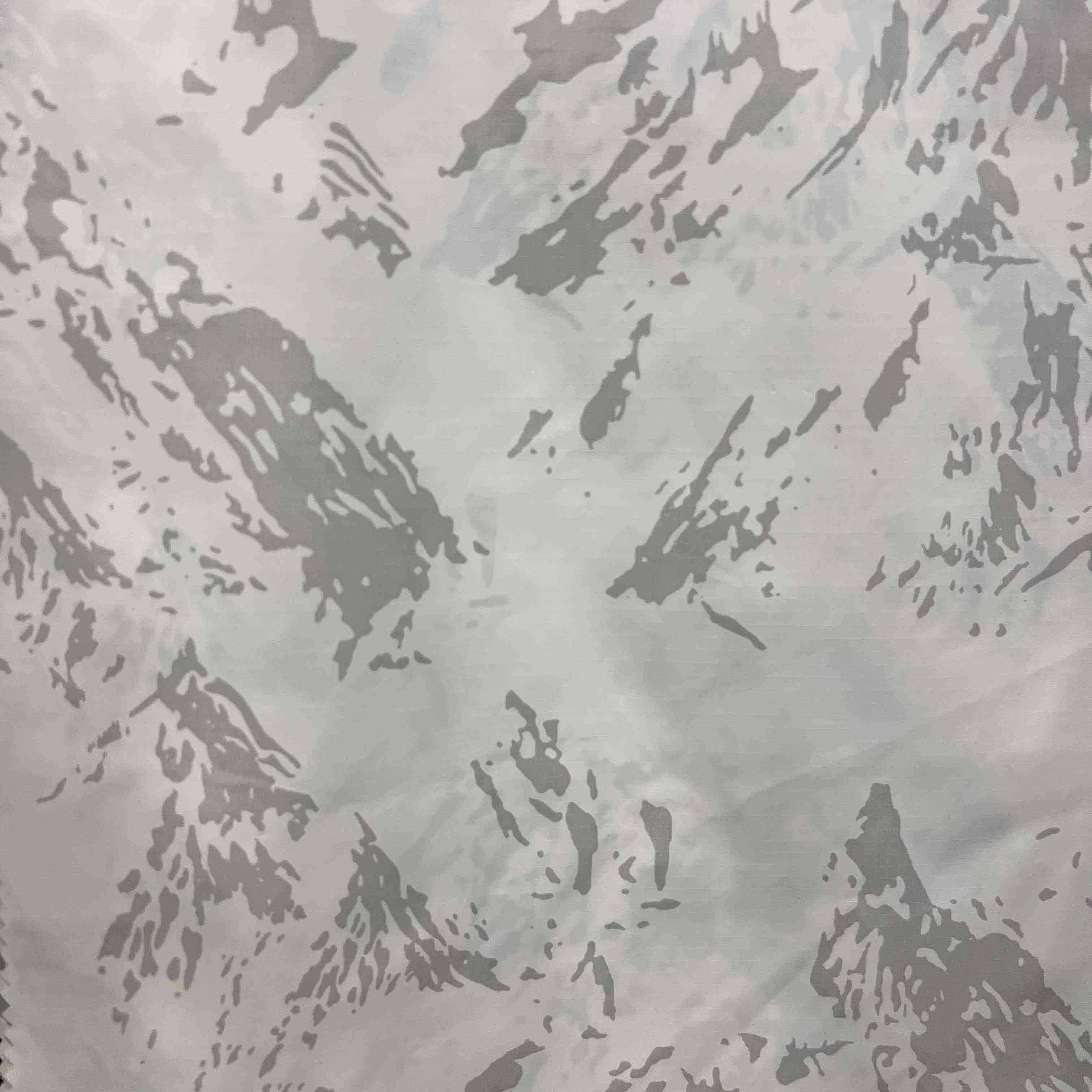
The Luxurious Universe of Premium Textile Craftsmanship
In the realm of haute couture and luxury fashion, the foundation of extraordinary garments lies in the selection of high-end fashion fabrics. These exceptional materials represent centuries of artisanal expertise, innovative manufacturing techniques, and an unwavering commitment to quality. From the sumptuous feel of hand-woven silk to the pristine finish of Italian wool, these fabrics transform ordinary garments into works of art, captivating designers and connoisseurs alike.
The journey of high-end fashion fabrics begins with the finest raw materials, carefully sourced from specialized producers around the globe. Each fiber, thread, and weave tells a story of tradition, innovation, and unparalleled craftsmanship. As we delve deeper into this fascinating world, we'll discover how these premium textiles shape the fashion industry and define luxury in tangible terms.
Heritage and Evolution of Luxury Textiles
Ancient Origins and Royal Connections
The history of high-end fashion fabrics dates back to ancient civilizations, where certain textiles were so precious they were worth their weight in gold. Chinese silk, for instance, became such a coveted material that it sparked the creation of the legendary Silk Road. Royal courts across Europe and Asia commissioned specialized weavers to create exclusive fabrics, establishing the foundation for today's luxury textile industry.
These historical connections continue to influence modern high-end fashion fabrics, with many contemporary manufacturers drawing upon centuries-old techniques while incorporating cutting-edge technology. The result is a perfect fusion of traditional craftsmanship and modern innovation, creating textiles that honor their heritage while meeting today's demanding standards.
Modern Innovations in Premium Textiles
Today's high-end fashion fabrics benefit from remarkable technological advances that enhance their performance without compromising their luxurious appeal. Advanced finishing techniques create fabrics that are both sumptuous and practical, featuring properties like water resistance, temperature regulation, and enhanced durability. These innovations have revolutionized the way designers approach their collections, allowing them to create garments that are both beautiful and functional.
The development of sustainable luxury fabrics represents another significant evolution in the industry. Premium textile manufacturers now produce eco-friendly materials that maintain the exceptional quality expected of high-end fashion fabrics while minimizing environmental impact. This includes innovative processes for creating organic silks, regenerated cashmere, and bio-based synthetic alternatives.
Distinguished Characteristics of Premium Fabrics
Superior Raw Materials
The excellence of high-end fashion fabrics begins with the selection of exceptional raw materials. Whether it's extra-long staple cotton from Egypt, the finest merino wool from Australia, or premium silk from China, these materials undergo rigorous quality control before being transformed into luxury textiles. The length, strength, and uniformity of fibers play crucial roles in determining the final quality of the fabric.
Beyond the traditional natural fibers, modern high-end fashion fabrics also incorporate advanced synthetic materials developed through years of research and development. These innovative materials often offer enhanced performance characteristics while maintaining the luxurious feel expected of premium textiles.
Masterful Manufacturing Processes
The creation of high-end fashion fabrics involves sophisticated manufacturing processes that combine traditional craftsmanship with modern precision. Expert artisans oversee every stage of production, from spinning and weaving to dyeing and finishing. This attention to detail ensures that each piece of fabric meets the exacting standards of luxury fashion houses.
Special finishing treatments enhance the fabric's appearance, feel, and performance. These might include mercerization for cotton, calendering for silk, or special washing techniques for wool. Each process is carefully controlled to achieve the desired characteristics while preserving the fabric's inherent qualities.
Investment Value and Care Considerations
Long-Term Value Proposition
While high-end fashion fabrics command premium prices, their value proposition extends far beyond the initial cost. These materials offer superior durability, maintaining their appearance and performance characteristics through years of use when properly cared for. The investment in quality fabrics often results in garments that remain beautiful and functional long after cheaper alternatives have deteriorated.
The timeless appeal of premium textiles also contributes to their investment value. High-end fashion fabrics typically feature classic qualities that transcend seasonal trends, making them ideal for creating enduring wardrobe pieces. This longevity not only provides better value over time but also aligns with growing concerns about sustainable fashion consumption.
Proper Care and Maintenance
Preserving the beauty and integrity of high-end fashion fabrics requires appropriate care and attention. Each type of fabric has specific maintenance requirements, from gentle hand-washing for delicate silks to professional dry cleaning for structured wools. Understanding and following these care instructions is essential for maintaining the fabric's quality and extending its lifespan.
Storage considerations are equally important for protecting premium textiles. Proper hanging, folding, and storage conditions help prevent damage and maintain the fabric's original characteristics. This includes protection from direct sunlight, appropriate humidity levels, and proper spacing in closets to allow materials to breathe.
Future Trends in Luxury Textiles
Sustainable Luxury
The future of high-end fashion fabrics is increasingly focused on sustainability without compromising luxury. Innovative manufacturers are developing new ways to create premium textiles using environmentally responsible methods and materials. This includes advanced recycling techniques, closed-loop production systems, and the development of new sustainable fibers that meet luxury standards.
The integration of sustainability into luxury textiles extends beyond environmental considerations to encompass social responsibility and ethical production practices. This holistic approach to sustainability is reshaping how high-end fashion fabrics are produced and marketed to increasingly conscious consumers.
Technological Integration
Emerging technologies are opening new possibilities in the world of high-end fashion fabrics. Smart textiles that incorporate digital functionality, self-cleaning properties, and adaptive characteristics represent the next frontier in luxury materials. These innovations promise to enhance both the functionality and exclusivity of premium fabrics.
Advanced manufacturing technologies are also transforming the production of high-end fashion fabrics. Digital design tools, automated quality control systems, and precision manufacturing processes enable greater consistency and customization while maintaining the exceptional quality expected of luxury textiles.
Frequently Asked Questions
What makes a fabric qualify as high-end?
High-end fashion fabrics are distinguished by superior raw materials, exceptional manufacturing processes, and rigorous quality control standards. They typically feature premium fibers, sophisticated weaving or knitting techniques, and specialized finishing treatments that enhance their appearance and performance.
How should I care for luxury fabrics?
Each type of high-end fabric requires specific care methods. Generally, following care labels precisely, using appropriate cleaning products, and storing items properly are essential. Many luxury fabrics benefit from professional cleaning services that specialize in handling premium textiles.
Are sustainable luxury fabrics as good as traditional ones?
Modern sustainable high-end fashion fabrics are engineered to match or exceed the quality of traditional luxury textiles. Advanced manufacturing techniques and innovative materials have made it possible to create eco-friendly options that maintain the superior characteristics expected of premium fabrics while reducing environmental impact.