 EN
EN

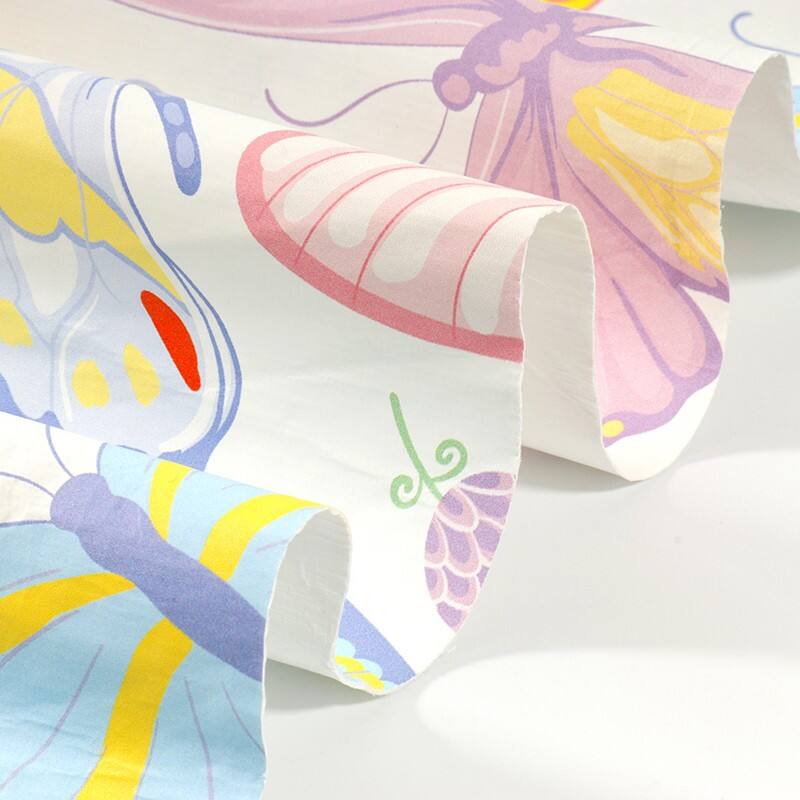
The Revolutionary Material Transforming Modern Industries
Non-woven fabrics have emerged as a groundbreaking innovation in the textile industry, offering an environmentally conscious and versatile alternative to traditional woven materials. These engineered materials, created by bonding or interlocking fibers through mechanical, thermal, or chemical processes, are revolutionizing everything from medical supplies to sustainable fashion. As industries worldwide seek more sustainable solutions, non-woven fabrics stand at the forefront of material innovation, promising reduced environmental impact without compromising on performance.
The unique manufacturing process of non-woven fabrics sets them apart from conventional textiles. Unlike traditional fabrics that require the time-consuming process of weaving or knitting, non-woven fabrics are produced through a streamlined process that consumes less energy, water, and resources. This efficiency not only reduces production costs but also minimizes environmental impact, making non-woven fabrics an increasingly attractive option for environmentally conscious manufacturers and consumers alike.
Understanding Non-Woven Fabric Technology
Manufacturing Processes and Techniques
The production of non-woven fabrics involves several sophisticated methods, each yielding materials with distinct characteristics. The spunbond process, one of the most common techniques, creates continuous filaments that are laid down in a random pattern and bonded together. This method produces strong, durable fabrics ideal for industrial applications. Alternative methods include meltblowing, which creates ultra-fine fibers perfect for filtration, and needle punching, which mechanically interlocks fibers for enhanced strength.
Advanced bonding technologies play a crucial role in non-woven fabric production. Thermal bonding uses heat to fuse fibers together, while chemical bonding employs adhesives to create specific material properties. These various techniques allow manufacturers to customize non-woven fabrics for particular applications, controlling characteristics such as strength, flexibility, and absorbency.
Material Composition and Properties
Non-woven fabrics can be manufactured using a wide range of raw materials, including natural fibers like cotton and wool, synthetic materials such as polyester and polypropylene, and increasingly, recycled materials. This versatility in material selection enables manufacturers to create products with specific performance characteristics while considering environmental impact and sustainability goals.
The unique properties of non-woven fabrics include excellent strength-to-weight ratio, high absorbency, and superior filtration capabilities. These materials can be engineered to be either durable or disposable, hydrophilic or hydrophobic, and can incorporate various functional treatments such as antimicrobial properties or flame resistance.
Applications Across Industries
Medical and Healthcare Solutions
In the medical field, non-woven fabrics have become indispensable. They are used extensively in surgical masks, gowns, drapes, and wound dressings, offering essential protection against contamination while providing comfort and breathability. The ability to produce sterile, disposable medical products has revolutionized healthcare hygiene practices and improved patient safety.
Beyond personal protective equipment, non-woven fabrics play a crucial role in advanced wound care products. Their ability to be engineered with specific pore sizes and absorption rates makes them ideal for creating sophisticated wound dressings that promote healing while preventing infection.
Sustainable Fashion and Textiles
The fashion industry is increasingly turning to non-woven fabrics as a sustainable alternative to traditional textiles. These materials can be produced using recycled fibers and require significantly less water and energy in their manufacturing process. Innovative designers are incorporating non-woven fabrics into their collections, creating everything from casual wear to haute couture pieces.
The durability and versatility of non-woven fabrics make them particularly suitable for accessories and specialized clothing items. From lightweight, breathable athletic wear to sturdy, weather-resistant outerwear, these materials are proving their worth in various fashion applications while maintaining their eco-friendly credentials.
Environmental Impact and Sustainability
Resource Efficiency in Production
The production of non-woven fabrics typically requires less energy, water, and chemical inputs compared to traditional textile manufacturing. This efficiency translates into a smaller carbon footprint and reduced environmental impact. Manufacturing processes can be optimized for minimal waste, and many facilities are implementing closed-loop systems to further reduce their environmental impact.
Advanced recycling technologies are making it possible to incorporate post-consumer materials into non-woven fabric production, creating a more circular economy in the textile industry. This approach not only reduces waste but also decreases the demand for virgin raw materials.
End-of-Life Considerations
Many non-woven fabrics can be designed for biodegradability or recyclability, addressing concerns about textile waste in landfills. Manufacturers are increasingly focusing on developing products that can be easily recycled or that will naturally decompose at the end of their useful life.
The industry is also exploring innovative solutions for converting used non-woven products into new materials, creating a more sustainable lifecycle for these products. This focus on circular economy principles is helping to position non-woven fabrics as a leader in sustainable material solutions.
Future Trends and Innovations
Smart and Technical Textiles
The integration of smart technology with non-woven fabrics is opening new possibilities in wearable technology and technical textiles. These advanced materials can incorporate sensors, conductive elements, and other functional components while maintaining their essential properties of comfort and durability.
Research is ongoing into the development of non-woven fabrics with enhanced properties such as self-cleaning capabilities, temperature regulation, and improved moisture management. These innovations are expanding the potential applications of non-woven fabrics across various industries.
Market Growth and Development
The global market for non-woven fabrics continues to expand, driven by increasing demand in healthcare, hygiene products, and sustainable fashion. Emerging markets are showing particular interest in these materials, leading to new manufacturing facilities and technological developments worldwide.
Investment in research and development is yielding new applications and improved manufacturing processes, suggesting a bright future for non-woven fabrics. The industry's commitment to sustainability and innovation continues to drive growth and development in this sector.
Frequently Asked Questions
What makes non-woven fabrics different from traditional textiles?
Non-woven fabrics are created by bonding or interlocking fibers through mechanical, thermal, or chemical processes, unlike traditional textiles which are woven or knitted. This unique manufacturing process results in materials that can be engineered for specific properties while typically requiring less energy and resources to produce.
Are non-woven fabrics environmentally friendly?
Non-woven fabrics can be highly environmentally friendly, as their production typically requires less water and energy than traditional textile manufacturing. Many non-woven fabrics can be made from recycled materials and designed to be recyclable or biodegradable, contributing to a more sustainable textile industry.
How long do non-woven fabrics last?
The durability of non-woven fabrics varies depending on their intended use and manufacturing specifications. While some are designed for single-use applications in medical settings, others are engineered for long-term use in industrial applications or fashion items, with lifespans comparable to or exceeding traditional textiles.