 EN
EN

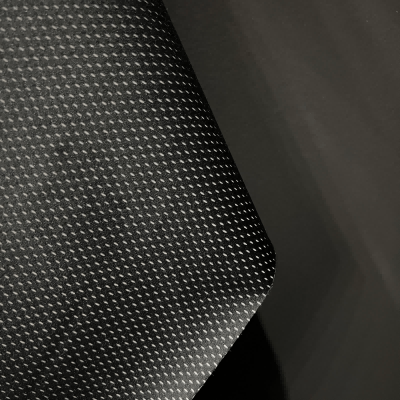
Understanding the Versatility of Modern Non-Woven Materials
In our daily lives, we encounter non-woven fabrics more frequently than we might realize. These innovative materials, created by bonding fibers together through mechanical, thermal, or chemical processes rather than traditional weaving, have revolutionized numerous industries and applications. From healthcare to home goods, non-woven fabrics offer unique properties that make them indispensable in modern living. Their remarkable versatility, durability, and cost-effectiveness have led to their widespread adoption across various sectors.
The global demand for non-woven fabrics continues to grow exponentially, driven by their sustainability advantages and practical benefits. Unlike conventional textiles, these materials can be engineered to possess specific characteristics such as absorbency, strength, or filtration capabilities, making them ideal for countless applications in our everyday lives.
Essential Applications in Personal Care and Hygiene
Disposable Hygiene Products
Non-woven fabrics play a crucial role in personal care items that we use daily. Disposable diapers, feminine hygiene products, and adult incontinence products rely heavily on these materials for their absorbent and comfortable properties. The unique structure of non-woven fabrics allows them to efficiently trap moisture while maintaining a dry surface against the skin, providing optimal comfort and protection.
The advancement in non-woven technology has led to the development of softer, more efficient materials that enhance the performance of these essential products. Manufacturers continue to innovate, creating thinner yet more absorbent layers that offer better comfort and reliability.
Skincare and Beauty Applications
In the beauty and skincare industry, non-woven fabrics are fundamental components of facial wipes, makeup remover pads, and face masks. These materials are specially designed to be gentle on the skin while effectively delivering cleaning or treatment solutions. Their ability to hold and release substances in a controlled manner makes them perfect for these applications.
The texture and composition of non-woven fabrics used in beauty products can be customized to enhance the user experience, whether it's providing gentle exfoliation or ensuring optimal product delivery to the skin.
Healthcare and Medical Applications
Protective Medical Wear
The healthcare sector extensively utilizes non-woven fabrics for various medical supplies and protective equipment. Surgical masks, gowns, caps, and shoe covers are manufactured using specialized non-woven materials that provide essential barrier protection against contaminants while ensuring breathability and comfort for healthcare workers.
These materials are designed to meet strict medical standards, offering bacterial filtration efficiency and fluid resistance. The recent global health challenges have highlighted the critical importance of non-woven fabrics in medical protective equipment.
Wound Care and Sterilization
Non-woven fabrics are integral in modern wound care products and sterilization materials. Wound dressings, bandages, and surgical drapes made from these materials offer superior absorption capabilities while maintaining a sterile environment. The unique properties of non-woven fabrics allow for the creation of multi-layered products that can manage wound exudate effectively.
Sterilization wraps made from non-woven materials are essential in maintaining the sterility of medical instruments and equipment. These materials provide an effective barrier against microorganisms while allowing sterilization agents to penetrate during the sterilization process.
Home and Household Applications
Cleaning and Maintenance Products
In household cleaning, non-woven fabrics have become increasingly popular due to their versatility and effectiveness. Cleaning wipes, dusting cloths, and floor cleaning pads utilize these materials for their excellent dirt-trapping capabilities and durability. The structure of non-woven fabrics makes them ideal for both dry and wet cleaning applications.
Many household cleaning products incorporate specialized non-woven materials that can be used with or without cleaning solutions, offering convenience and efficiency in daily cleaning tasks. These materials are often designed to be both effective and environmentally conscious, with some varieties being biodegradable or made from recycled fibers.
Interior Design and Furnishing
Non-woven fabrics have found their way into home décor and furnishing applications. They are commonly used in carpet backing, furniture underlining, and wallcoverings. These materials provide structural support and enhanced durability while being cost-effective alternatives to traditional materials.
The versatility of non-woven fabrics allows for various finishing treatments, making them suitable for different aesthetic requirements in interior design. Their ability to be printed, embossed, or textured provides designers with numerous creative possibilities.
Environmental Impact and Sustainability
Eco-Friendly Innovations
The development of sustainable non-woven fabrics represents a significant advancement in environmental consciousness. Manufacturers are increasingly using recycled materials and developing biodegradable options to reduce environmental impact. These eco-friendly alternatives maintain the same performance characteristics while offering improved end-of-life disposal options.
Research continues in creating non-woven fabrics from renewable resources and implementing more sustainable production processes. These innovations are crucial in addressing environmental concerns while meeting the growing demand for these versatile materials.
Recycling and Waste Reduction
Many non-woven fabric products are designed with recycling in mind, incorporating materials that can be easily processed and reused. The industry is making significant strides in developing closed-loop systems where used materials can be recycled into new products, reducing waste and environmental impact.
Consumer awareness about proper disposal and recycling of non-woven products is increasing, leading to better waste management practices. Manufacturers are also working on improving product design to facilitate easier recycling and reduce environmental footprint.
Frequently Asked Questions
What makes non-woven fabrics different from traditional textiles?
Non-woven fabrics are created by bonding fibers together through mechanical, thermal, or chemical processes, unlike traditional textiles which are woven or knitted. This unique manufacturing process allows for specific properties to be engineered into the material, such as enhanced absorbency, strength, or filtration capabilities.
Are non-woven fabrics environmentally friendly?
Many modern non-woven fabrics are designed with environmental sustainability in mind. Manufacturers are increasingly using recycled materials, developing biodegradable options, and implementing more sustainable production processes. The environmental impact varies depending on the specific material and its intended use.
How long do products made from non-woven fabrics typically last?
The durability of non-woven fabric products varies significantly based on their intended use and construction. While some products like surgical masks are designed for single use, others like carpet backing or furniture underlining can last for many years. The lifespan depends on factors such as material composition, usage conditions, and proper maintenance.