 EN
EN

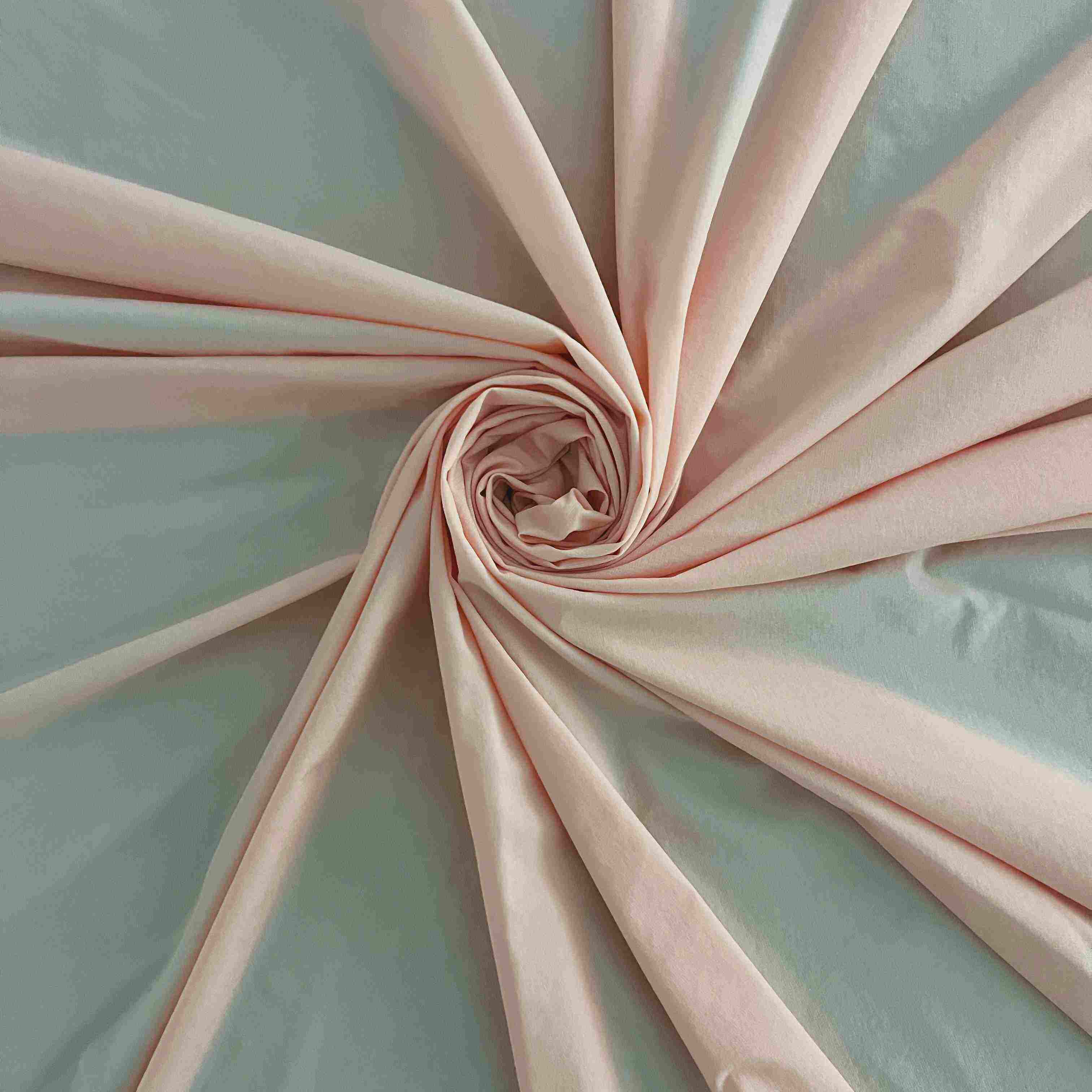
Nylon fabric has revolutionized the textile industry since its introduction in the 1930s, becoming an indispensable material in modern clothing and industrial applications. This synthetic polymer offers exceptional strength, durability, and versatility that has made it a preferred choice for manufacturers across diverse sectors. From everyday apparel to high-performance outdoor gear, nylon fabric continues to set standards for reliability and functionality. Understanding the unique properties and applications of this remarkable material is essential for anyone involved in textile selection, manufacturing, or product development.
Understanding the Science Behind Nylon Fabric
Chemical Structure and Composition
The molecular structure of nylon fabric consists of long chains of polyamide polymers, which create strong intermolecular hydrogen bonds. These bonds contribute significantly to the material's exceptional tensile strength and resistance to wear. The polymer chains are arranged in a crystalline structure that provides both flexibility and durability, making nylon fabric suitable for applications requiring repeated stress and movement.
Different types of nylon fabric exist based on their chemical composition, with Nylon 6 and Nylon 66 being the most common variants in textile applications. Each type offers specific advantages in terms of melting point, chemical resistance, and processing characteristics. The precise molecular arrangement allows nylon fabric to maintain its structural integrity under various environmental conditions, from extreme temperatures to chemical exposure.
Manufacturing Process and Quality Control
The production of high-quality nylon fabric involves a sophisticated polymerization process where monomers are chemically bonded under controlled temperature and pressure conditions. This process requires precise monitoring to ensure consistent molecular weight and polymer chain length, which directly impact the final fabric properties. Advanced manufacturing facilities employ stringent quality control measures throughout the production cycle.
Modern nylon fabric manufacturing incorporates innovative spinning techniques that optimize fiber alignment and density. The extrusion process creates continuous filaments that can be further processed into various fabric constructions, from lightweight weaves to heavy-duty industrial textiles. Quality control systems monitor factors such as tensile strength, elongation properties, and dimensional stability to ensure each batch meets specified performance standards.

Superior Performance Characteristics
Durability and Strength Properties
One of the most remarkable features of nylon fabric is its exceptional strength-to-weight ratio, often exceeding that of natural fibers by significant margins. This characteristic makes it ideal for applications where weight reduction is crucial without compromising structural integrity. The material exhibits excellent resistance to abrasion, tearing, and puncture, making it suitable for demanding industrial and commercial applications.
The inherent flexibility of nylon fabric allows it to withstand repeated bending and stretching without permanent deformation or fiber breakage. This resilience is particularly valuable in applications involving dynamic loading or frequent movement. The fabric maintains its dimensional stability across a wide range of operating conditions, ensuring consistent performance over extended service periods.
Chemical and Environmental Resistance
Nylon fabric demonstrates remarkable resistance to various chemicals, oils, and solvents commonly encountered in industrial environments. This chemical inertness makes it suitable for protective clothing applications where exposure to hazardous substances is a concern. The material's low absorption rate prevents contamination and facilitates easy cleaning and maintenance.
Environmental factors such as humidity, temperature fluctuations, and UV exposure have minimal impact on the long-term performance of properly treated nylon fabric. Advanced UV stabilization treatments can further enhance the material's resistance to photodegradation, extending its service life in outdoor applications. The fabric's resistance to biological degradation also makes it suitable for applications in challenging environmental conditions.
Diverse Applications Across Industries
Apparel and Fashion Industry
The fashion industry has embraced nylon fabric for its versatility and performance characteristics in both everyday wear and specialized garments. Athletic wear manufacturers particularly value nylon's moisture-wicking properties and ability to maintain shape under stress. The fabric's smooth texture and excellent drape make it suitable for a wide range of garment styles, from casual wear to formal attire.
High-end fashion designers appreciate nylon fabric for its ability to accept various finishing treatments and dyes, enabling creative design possibilities. The material's compatibility with blending allows for the creation of hybrid fabrics that combine nylon's strength with the comfort and aesthetics of natural fibers. Modern textile innovations have expanded the range of nylon fabric textures and finishes available to designers.
Industrial and Technical Applications
Industrial applications of nylon fabric span numerous sectors, including automotive, aerospace, and manufacturing. The material's resistance to mechanical stress and chemical exposure makes it ideal for filtration systems, conveyor belts, and protective barriers. Its electrical insulation properties also make it suitable for applications in electronic and electrical equipment manufacturing.
Technical textiles incorporating nylon fabric are used in geotextile applications, marine equipment, and construction materials. The fabric's ability to maintain performance under extreme conditions makes it valuable for aerospace applications where reliability is paramount. Advanced composite materials often utilize nylon fabric as a reinforcement element due to its excellent adhesion properties with various matrix materials.
Advantages in Manufacturing and Processing
Cost-Effectiveness and Efficiency
Manufacturing with nylon fabric offers significant economic advantages due to its processability and consistent quality characteristics. The material's thermal stability allows for efficient processing at high temperatures without degradation, reducing production cycle times and energy consumption. Its compatibility with various manufacturing techniques enables flexible production strategies.
The durability of nylon fabric translates into reduced maintenance and replacement costs for end-users, making it an economically attractive choice for long-term applications. Its resistance to wear and environmental factors minimizes downtime and extends service intervals, contributing to overall operational efficiency. The material's recyclability also supports sustainable manufacturing practices.
Design Flexibility and Customization
Modern nylon fabric manufacturing allows for extensive customization to meet specific application requirements. Parameters such as fiber density, weave pattern, and surface treatments can be tailored to optimize performance characteristics. This flexibility enables manufacturers to develop specialized solutions for unique applications while maintaining the core benefits of nylon materials.
The ability to incorporate additives and functional finishes during manufacturing expands the potential applications of nylon fabric. Antimicrobial treatments, flame retardants, and water-repelling finishes can be integrated to enhance specific performance aspects. Advanced manufacturing techniques also enable the production of multi-layer constructions that combine different nylon fabric variants for optimized functionality.
Quality Standards and Testing Protocols
Industry Certification and Compliance
Quality assurance in nylon fabric manufacturing involves adherence to stringent industry standards and certification requirements. International standards such as ISO and ASTM provide frameworks for testing and evaluating material properties, ensuring consistency across different suppliers and applications. These standards cover aspects ranging from mechanical properties to environmental impact considerations.
Compliance with industry-specific regulations is essential for applications in sectors such as automotive, aerospace, and medical devices. Certification processes involve comprehensive testing of material properties, including tensile strength, flame resistance, and chemical compatibility. Regular quality audits and batch testing ensure ongoing compliance with specified requirements.
Performance Testing and Validation
Comprehensive testing protocols evaluate the performance characteristics of nylon fabric under simulated operating conditions. Accelerated aging tests assess long-term durability and stability, while mechanical testing evaluates strength, flexibility, and fatigue resistance. Environmental testing exposes materials to extreme conditions to validate performance specifications.
Advanced testing facilities utilize sophisticated equipment to measure properties such as thermal conductivity, electrical resistance, and permeability. Real-world performance validation through field testing provides additional assurance of material suitability for specific applications. Statistical analysis of test results ensures reliable performance predictions and quality consistency.
Future Innovations and Developments
Sustainable Manufacturing Initiatives
The future of nylon fabric manufacturing increasingly focuses on sustainability and environmental responsibility. Bio-based nylon alternatives derived from renewable feedstocks are being developed to reduce dependence on petroleum-based raw materials. These innovations maintain the performance characteristics of traditional nylon while offering improved environmental profiles.
Recycling technologies for nylon fabric continue to advance, enabling the recovery and reprocessing of post-consumer and post-industrial waste materials. Closed-loop manufacturing systems minimize waste generation and resource consumption, contributing to circular economy principles. Energy-efficient production processes further reduce the environmental impact of nylon fabric manufacturing.
Advanced Functional Properties
Emerging technologies are enabling the development of nylon fabrics with enhanced functional properties beyond traditional performance characteristics. Smart textiles incorporating conductive fibers, sensors, and responsive materials are expanding the potential applications in wearable technology and industrial monitoring systems. These innovations maintain the core benefits of nylon while adding new capabilities.
Nanotechnology applications are being explored to enhance the surface properties of nylon fabric, including self-cleaning capabilities, enhanced barrier properties, and improved adhesion characteristics. These developments promise to expand the range of applications while improving overall performance and user experience. Research continues into bio-mimetic structures that could further enhance the natural properties of nylon materials.
FAQ
What makes nylon fabric superior to other synthetic materials
Nylon fabric offers a unique combination of high strength, flexibility, and chemical resistance that distinguishes it from other synthetic materials. Its exceptional strength-to-weight ratio, combined with excellent abrasion resistance and dimensional stability, makes it suitable for demanding applications where other materials might fail. The material's versatility in processing and compatibility with various finishing treatments further enhance its advantages over alternatives like polyester or polypropylene.
How does environmental exposure affect nylon fabric performance
Properly treated nylon fabric demonstrates excellent resistance to environmental factors including temperature fluctuations, humidity, and UV exposure. While prolonged UV exposure can cause some degradation in untreated materials, modern UV stabilization treatments significantly extend service life in outdoor applications. The material's low moisture absorption and chemical inertness help maintain performance characteristics across diverse environmental conditions, making it suitable for both indoor and outdoor applications.
What quality control measures ensure consistent nylon fabric performance
Quality control in nylon fabric manufacturing involves comprehensive testing at multiple stages of production, including raw material inspection, process monitoring, and finished product evaluation. Standardized testing protocols assess mechanical properties, chemical resistance, and dimensional stability to ensure compliance with specifications. Advanced manufacturing facilities employ statistical process control methods and automated monitoring systems to maintain consistent quality across all production batches.
How can manufacturers optimize nylon fabric selection for specific applications
Optimizing nylon fabric selection requires careful consideration of application requirements including mechanical loads, environmental conditions, and performance expectations. Manufacturers should evaluate factors such as tensile strength, elongation properties, chemical resistance, and thermal stability when selecting appropriate nylon variants. Consulting with material specialists and conducting application-specific testing can help ensure optimal performance and cost-effectiveness for each unique application requirement.