 EN
EN


The textile industry has witnessed remarkable transformations throughout history, with synthetic materials playing an increasingly vital role in modern manufacturing. Among these innovations, nylon fabric stands as one of the most significant developments, fundamentally changing how we approach textile production and application. This revolutionary material has reshaped manufacturing processes, enhanced product performance, and opened new possibilities across numerous industries. From its inception in the 1930s to its current widespread applications, nylon fabric continues to drive innovation and set new standards for durability, versatility, and functionality in textile manufacturing.
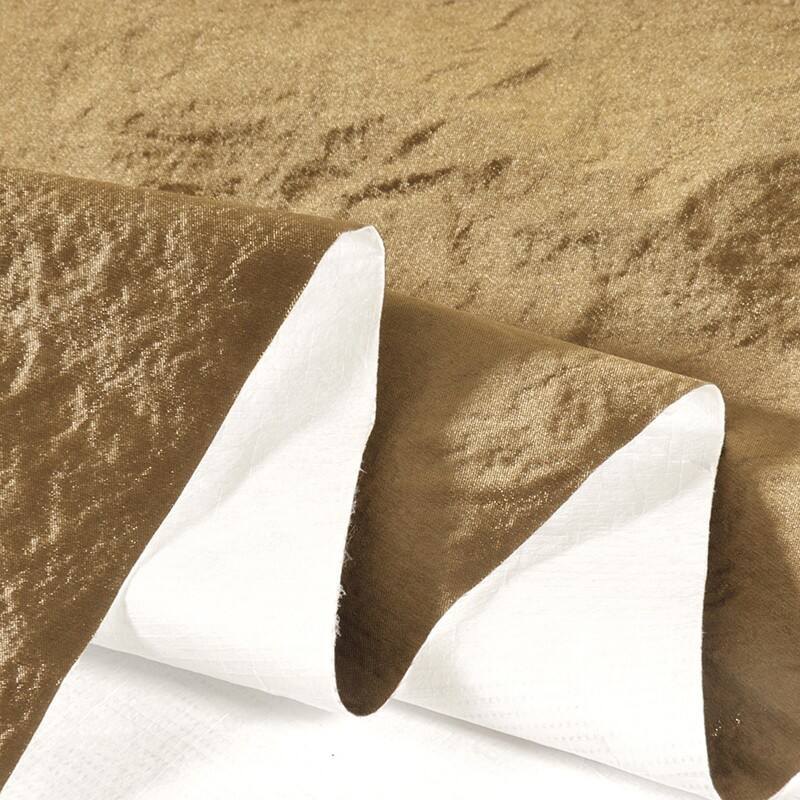
Historical Impact and Development of Nylon Materials
Origins and Early Innovation
The development of nylon fabric marked a pivotal moment in textile history when DuPont introduced this synthetic polymer in 1938. Wallace Carothers and his team created the first truly synthetic fiber that could compete with natural materials like silk and cotton. The initial focus was on creating a material that possessed superior strength and elasticity while maintaining the aesthetic qualities desired in consumer products. This breakthrough represented years of intensive research into polymer chemistry and manufacturing processes.
Early applications of nylon fabric demonstrated its exceptional properties almost immediately. The material exhibited remarkable tensile strength, resistance to abrasion, and the ability to maintain its shape under stress. These characteristics made it an ideal candidate for applications requiring durability and performance. The introduction of nylon stockings in 1940 created unprecedented consumer demand, with millions of pairs sold within the first few days of availability.
Industrial Revolution Through Synthetic Materials
The industrial adoption of nylon fabric transformed manufacturing processes across multiple sectors. Traditional textile production methods required adaptation to accommodate the unique properties of synthetic materials. New machinery, processing techniques, and quality control measures became necessary to handle the different melting points, chemical properties, and structural characteristics of nylon compared to natural fibers.
Manufacturing facilities worldwide began incorporating nylon fabric into their production lines, recognizing the material's potential for creating high-performance products. The ability to produce consistent quality at scale gave manufacturers unprecedented control over product specifications. This consistency became particularly valuable in applications where precise tolerances and reliable performance were critical requirements.
Technical Properties and Manufacturing Advantages
Molecular Structure and Performance Characteristics
The molecular structure of nylon fabric provides exceptional mechanical properties that distinguish it from natural fibers. The polymer chains create strong intermolecular bonds, resulting in high tensile strength and excellent resistance to stretching and deformation. These molecular characteristics translate into practical benefits including dimensional stability, resistance to creasing, and the ability to maintain performance under various environmental conditions.
Chemical resistance represents another significant advantage of nylon fabric in industrial applications. The material demonstrates excellent resistance to oils, greases, and many chemical solvents that would degrade natural fibers. This chemical stability makes nylon fabric particularly valuable in environments where exposure to harsh substances is common, such as automotive, aerospace, and industrial manufacturing settings.
Processing and Manufacturing Efficiency
Modern manufacturing processes for nylon fabric have achieved remarkable efficiency and precision. Advanced spinning techniques allow manufacturers to control fiber diameter, surface texture, and other critical properties with exceptional accuracy. These manufacturing capabilities enable the production of specialized nylon variants tailored for specific applications and performance requirements.
The thermal properties of nylon fabric facilitate efficient processing through techniques such as heat setting and thermal bonding. These processes allow manufacturers to create complex shapes, permanent pleats, and dimensional stability that would be difficult or impossible to achieve with natural materials. The ability to precisely control these thermal processes has opened new possibilities for product design and functionality.
Contemporary Applications Across Industries
Automotive and Transportation Sector
The automotive industry has embraced nylon fabric for numerous applications requiring durability and performance under demanding conditions. Interior components such as seat covers, door panels, and carpet materials benefit from nylon's resistance to wear, staining, and fading. The material's ability to maintain its appearance and structural integrity over extended periods makes it ideal for automotive applications where longevity is essential.
Under-the-hood applications represent another significant area where nylon fabric provides critical performance advantages. Engine components, filtration systems, and protective covers made from specialized nylon variants can withstand high temperatures, chemical exposure, and mechanical stress. These applications demonstrate the material's versatility in meeting diverse performance requirements within a single industry.
Aerospace and Defense Applications
Aerospace applications demand materials that can perform reliably under extreme conditions, making nylon fabric an invaluable resource for this sector. Parachute materials, aircraft interior fabrics, and protective equipment utilize nylon's exceptional strength-to-weight ratio and resistance to environmental factors. The material's consistent performance characteristics ensure reliability in critical safety applications.
Defense applications have driven innovations in nylon fabric technology, leading to specialized variants with enhanced properties. Ballistic protection, military uniforms, and equipment covers require materials that can withstand extreme conditions while maintaining functionality. Advanced nylon formulations have been developed to meet these demanding specifications, often exceeding the performance of traditional materials.
Environmental Considerations and Sustainability
Recycling and Circular Economy Integration
Modern approaches to nylon fabric production increasingly emphasize sustainability and environmental responsibility. Recycling technologies have advanced significantly, enabling the recovery and reprocessing of nylon materials from post-consumer and post-industrial waste streams. These recycling processes can produce recycled nylon fabric with properties comparable to virgin materials, reducing environmental impact while maintaining performance standards.
Closed-loop manufacturing systems are being implemented to minimize waste and maximize resource efficiency in nylon fabric production. These systems capture and reprocess production waste, reducing raw material consumption and environmental impact. The development of biodegradable nylon variants represents another approach to addressing environmental concerns while maintaining the performance advantages of synthetic materials.
Energy Efficiency and Production Optimization
Energy efficiency improvements in nylon fabric manufacturing have reduced the environmental footprint of production processes. Advanced polymerization techniques, optimized heating systems, and process automation have significantly reduced energy consumption while improving product quality and consistency. These improvements demonstrate the industry's commitment to sustainable manufacturing practices.
Life cycle assessments of nylon fabric products reveal the importance of durability and longevity in overall environmental impact. The extended service life of nylon products often offsets the energy investment required for production, particularly in applications where frequent replacement would otherwise be necessary. This durability factor makes nylon fabric an environmentally responsible choice for many applications.
Future Innovations and Technological Developments
Advanced Nylon Variants and Composite Materials
Research into advanced nylon fabric formulations continues to expand the material's capabilities and applications. Nanocomposite nylons incorporate nanoscale additives to enhance specific properties such as electrical conductivity, thermal management, or antimicrobial activity. These advanced materials open new possibilities for specialized applications in electronics, medical devices, and high-performance textiles.
Hybrid materials combining nylon fabric with other synthetic or natural fibers create products with tailored properties for specific applications. These composite approaches allow designers to optimize performance characteristics while potentially reducing costs or environmental impact. The development of bio-based nylon variants using renewable feedstocks represents another promising direction for future innovation.
Smart Textiles and Functional Integration
The integration of electronic components and sensors into nylon fabric creates opportunities for smart textile applications. Conductive nylon fibers can carry electrical signals, enabling the development of fabrics that monitor physiological parameters, provide heating, or communicate with external devices. These innovations represent the convergence of traditional textile manufacturing with modern electronics and information technology.
Programmable properties in advanced nylon fabric materials allow for dynamic response to environmental conditions. Shape-memory nylons can change configuration in response to temperature changes, while photochromic variants alter their appearance based on light exposure. These responsive materials enable the creation of adaptive products that adjust their performance based on usage conditions.
FAQ
What makes nylon fabric superior to natural fibers in industrial applications
Nylon fabric offers several advantages over natural fibers including consistent quality, superior strength-to-weight ratio, chemical resistance, and dimensional stability. Unlike natural materials that can vary in quality and properties, nylon provides predictable performance characteristics that are essential for industrial applications requiring reliability and precision.
How does the manufacturing process of nylon fabric ensure quality control
Modern nylon fabric manufacturing employs advanced monitoring systems and automated controls throughout the production process. Real-time quality monitoring tracks parameters such as fiber diameter, tensile strength, and chemical composition to ensure consistent product quality. These systems can make immediate adjustments to maintain specifications and prevent defective products from entering the supply chain.
What environmental benefits does recycled nylon fabric provide compared to virgin materials
Recycled nylon fabric reduces environmental impact by diverting waste from landfills, reducing energy consumption by up to 80% compared to virgin nylon production, and decreasing dependence on petroleum-based raw materials. The recycling process maintains most of the original performance characteristics while significantly reducing the carbon footprint associated with new material production.
How do composite nylon materials enhance performance in specialized applications
Composite nylon materials combine the base properties of nylon fabric with additional materials to create enhanced performance characteristics. For example, glass fiber reinforcement increases strength and stiffness, while carbon fiber additions provide electrical conductivity and electromagnetic shielding. These composites allow engineers to optimize material properties for specific application requirements without compromising the fundamental advantages of nylon.
Table of Contents
- Historical Impact and Development of Nylon Materials
- Technical Properties and Manufacturing Advantages
- Contemporary Applications Across Industries
- Environmental Considerations and Sustainability
- Future Innovations and Technological Developments
-
FAQ
- What makes nylon fabric superior to natural fibers in industrial applications
- How does the manufacturing process of nylon fabric ensure quality control
- What environmental benefits does recycled nylon fabric provide compared to virgin materials
- How do composite nylon materials enhance performance in specialized applications