 EN
EN

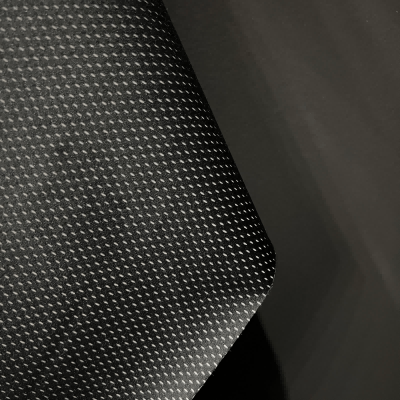
Understanding the Art of Textile Selection in Fashion Design
Fashion fabric serves as the fundamental building block of every garment, transforming creative visions into wearable art. The journey from concept to creation begins with selecting the perfect textile that not only captures the designer's aesthetic but also ensures comfort and functionality for the wearer. In today's dynamic fashion landscape, the choice of fashion fabric can make the difference between an ordinary piece and an extraordinary masterpiece.
When we explore the world of fashion fabric, we discover an incredible array of textures, weights, and compositions that each tell their own story. From luxurious silks that drape elegantly to structured wool blends that hold architectural shapes, every fabric choice influences the final garment's character and appeal. The relationship between designer and textile is intimate – a dance of creativity where the fabric's properties guide the design process while the designer's vision pushes the boundaries of what's possible.
The Evolution of Fashion Fabrics Through History
Ancient Textiles and Their Modern Influence
The story of fashion fabric begins thousands of years ago, with ancient civilizations developing sophisticated weaving techniques and discovering natural fibers. From Egyptian linen to Chinese silk, these early innovations laid the foundation for today's textile industry. Modern designers frequently draw inspiration from these historical techniques, incorporating traditional weaves and patterns into contemporary collections.
Traditional fashion fabric processing methods have evolved into highly efficient manufacturing systems, yet many luxury fashion houses still preserve ancient techniques for creating unique textile finishes. This blend of old and new ensures that the rich heritage of textile craftsmanship continues to influence modern fashion.
Revolutionary Developments in Synthetic Materials
The twentieth century witnessed a revolution in fashion fabric with the introduction of synthetic fibers. Materials like polyester, nylon, and spandex transformed the industry, offering new possibilities for design and functionality. These innovations allowed for the creation of stretchy, durable, and easy-care garments that meet the demands of modern lifestyles.
Today's synthetic fashion fabrics often outperform their natural counterparts in specific applications, offering enhanced durability, moisture-wicking properties, and resistance to wrinkles. The development of eco-friendly synthetic alternatives continues to push the boundaries of sustainable fashion.
Essential Properties of High-Quality Fashion Fabrics
Durability and Performance Characteristics
The longevity of a garment largely depends on the quality of its fashion fabric. Superior textiles exhibit excellent tensile strength, resistance to wear and tear, and the ability to maintain their shape through multiple wears and washes. Understanding these properties helps designers select appropriate materials for different garment types and intended uses.
Performance characteristics such as breathability, moisture management, and thermal regulation play crucial roles in creating comfortable, functional clothing. High-quality fashion fabric must balance these technical aspects while maintaining its aesthetic appeal throughout the garment's lifetime.
Aesthetic Elements and Surface Design
The visual and tactile qualities of fashion fabric contribute significantly to a garment's appeal. Surface texture, pattern, and color must work in harmony to achieve the desired aesthetic impact. Designers consider factors such as drape, sheen, and hand-feel when selecting fabrics for their collections.
Advanced printing and finishing techniques have expanded the possibilities for surface design in fashion fabric. Digital printing allows for intricate patterns and photorealistic images, while innovative treatments can create unique textures and effects that set garments apart in the market.
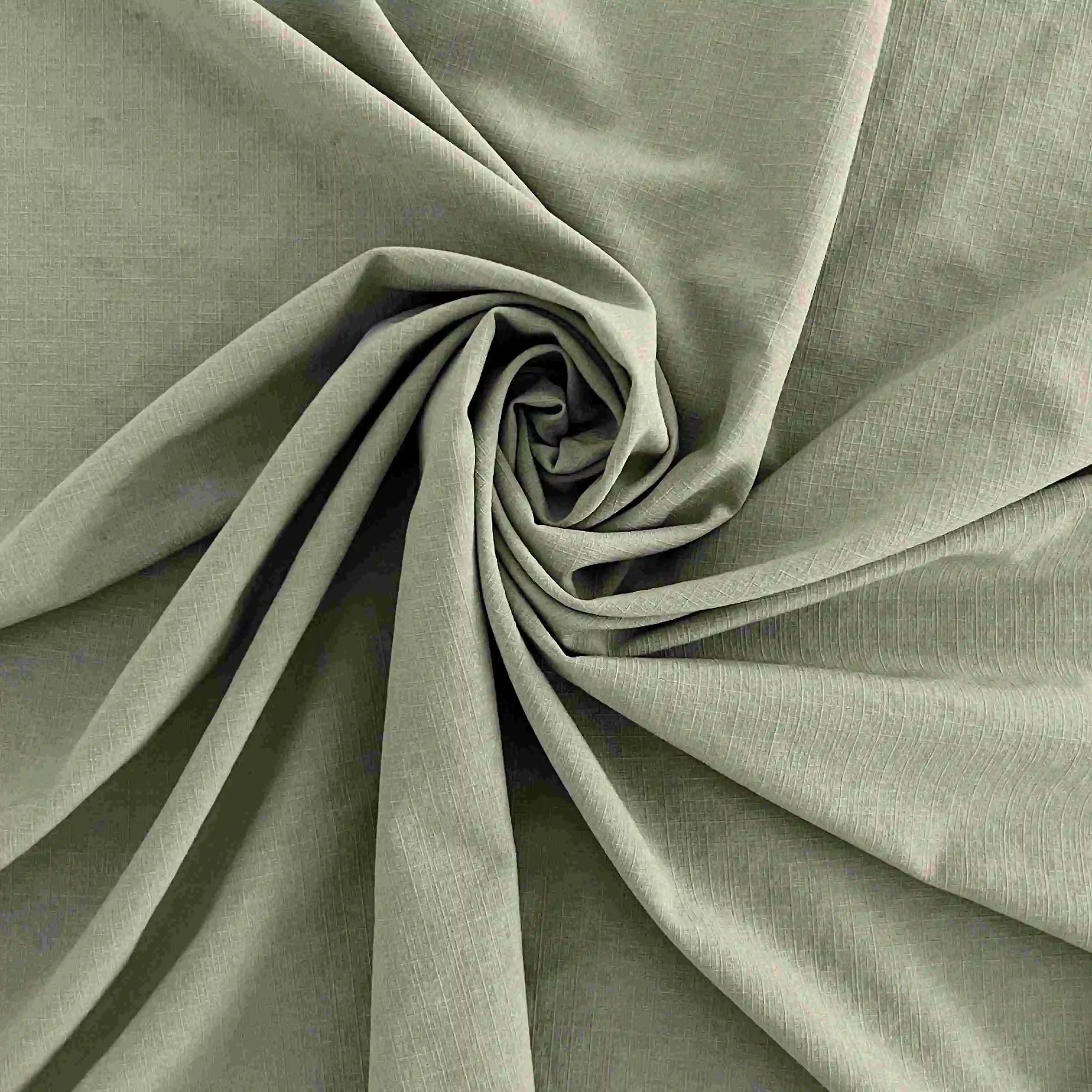
Sustainable Trends in Fashion Fabric Production
Eco-Friendly Material Innovations
The fashion industry's shift toward sustainability has sparked innovation in eco-friendly fabric development. Recycled materials, organic fibers, and biodegradable alternatives are becoming increasingly prevalent in fashion fabric collections. Manufacturers are investing in research to create sustainable options that don't compromise on quality or aesthetics.
Novel materials derived from agricultural waste, recycled plastics, and even lab-grown alternatives are revolutionizing the fashion fabric landscape. These innovations demonstrate that sustainability and style can coexist, offering designers new ways to create responsible fashion.
Ethical Production Methods
The focus on ethical production extends beyond material selection to encompass the entire fashion fabric manufacturing process. Water conservation, reduced chemical use, and fair labor practices are becoming standard requirements for textile producers. This holistic approach to sustainability ensures that fashion fabrics meet both environmental and social responsibility standards.
Transparent supply chains and certified production methods help designers and consumers make informed choices about the fashion fabrics they use and wear. This awareness is driving positive change throughout the industry, encouraging innovation in cleaner, more ethical production processes.
Frequently Asked Questions
How do I choose the right fashion fabric for my design?
Consider your garment's intended use, desired silhouette, and wear frequency. Match the fabric's properties to your design requirements, considering factors such as drape, weight, stretch, and care instructions. Always test samples before making final selections, and consider how the fabric will perform throughout the garment's lifecycle.
What are the most sustainable fashion fabric options available today?
Leading sustainable options include organic cotton, recycled polyester, Tencel (lyocell), hemp, and innovative materials made from recycled waste products. Look for certifications like GOTS (Global Organic Textile Standard) or recycled content verification to ensure authenticity of sustainable claims.
How can I determine the quality of fashion fabric?
Assess the fabric's weave density, fiber content, and finish quality. Test for colorfastness, stretch recovery, and durability through handling and sample washing. Quality fashion fabrics should maintain their properties after proper care and exhibit consistent color and texture throughout the material.