 EN
EN

The outdoor industry has witnessed remarkable innovations in fabric technology, with high-performance materials revolutionizing everything from athletic wear to safety equipment. Modern textile engineering combines functionality with durability, creating fabrics that meet the demanding requirements of various professional and recreational applications. These advanced materials incorporate cutting-edge design elements that enhance visibility, breathability, and protection in challenging environments. Understanding the evolution and capabilities of these specialized fabrics helps consumers and professionals make informed decisions when selecting gear for outdoor activities, industrial work, or safety applications.
Understanding Composite Fabric Technologies
Multi-Layer Construction Benefits
Composite fabrics represent a significant advancement in textile engineering, combining multiple materials to achieve superior performance characteristics. These innovative constructions typically feature specialized base layers that provide structural integrity while incorporating functional elements like reflective components and mesh patterns. The multi-layer approach allows manufacturers to optimize each component for specific purposes, resulting in fabrics that excel in multiple performance categories simultaneously. This sophisticated construction method enables the creation of materials that maintain breathability while offering enhanced visibility and durability.
The integration of different material properties within a single fabric system creates synergistic effects that exceed the capabilities of individual components. Advanced bonding techniques ensure that these layers work together seamlessly, maintaining flexibility and comfort while delivering enhanced functionality. This approach has proven particularly valuable in applications requiring both safety features and practical performance, such as workwear, outdoor gear, and specialized equipment covers. The resulting fabrics demonstrate improved longevity and consistent performance across varying environmental conditions.
Reflective Element Integration
Reflective technology has evolved significantly from simple metallic strips to sophisticated integrated systems that maintain fabric flexibility and appearance. Modern reflective elements are engineered to provide maximum light return while maintaining the natural drape and feel of the base material. These systems utilize micro-prismatic or glass bead technologies that are precisely positioned to optimize visibility from multiple angles. The integration process ensures that reflective properties remain consistent throughout the fabric's lifespan, even under repeated washing and wear cycles.
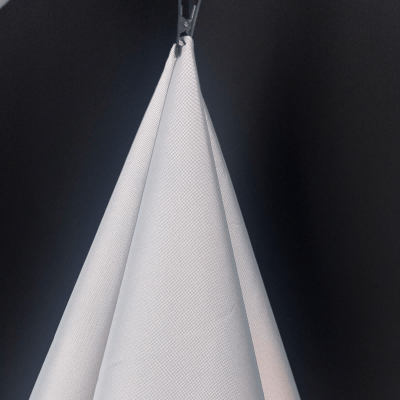
Contemporary reflective fabrics incorporate these visibility-enhancing elements without compromising the material's breathability or comfort characteristics. Advanced manufacturing processes allow for the creation of patterns and designs that serve both aesthetic and functional purposes. The checkered mesh composite reflective cloth exemplifies this technology integration, combining visual appeal with practical safety benefits. These innovations have expanded the applications of reflective fabrics beyond traditional safety wear to include fashion items, outdoor recreation gear, and architectural applications.
Mesh Technology and Ventilation Systems
Breathability Engineering
Mesh technologies have transformed from simple perforated materials to sophisticated ventilation systems that actively manage moisture and air flow. Modern mesh fabrics utilize precise pore sizing and distribution patterns to optimize comfort while maintaining structural integrity. These engineered ventilation systems work in conjunction with other fabric layers to create microenvironments that regulate temperature and humidity. The strategic placement of mesh elements ensures maximum airflow where needed most, particularly in high-heat zones and areas prone to moisture accumulation.
Advanced mesh construction techniques incorporate varying densities and pore sizes within a single fabric to create zoned comfort systems. These sophisticated designs respond to different activity levels and environmental conditions, providing enhanced comfort during both active use and periods of rest. The integration of mesh elements with other functional components requires careful engineering to ensure that breathability enhancements do not compromise other performance characteristics such as durability or weather resistance.
Pattern Design and Functionality
The geometric patterns used in high-performance fabrics serve multiple functional purposes beyond aesthetic appeal. Checkered and other systematic patterns optimize the distribution of different material properties throughout the fabric surface. These designs ensure consistent performance characteristics while creating visual interest that enhances the fabric's appeal for various applications. Pattern engineering considers factors such as stress distribution, flexibility maintenance, and manufacturing efficiency to create optimal fabric performance.
Strategic pattern design also influences how fabrics interact with light and air, affecting both visibility and comfort characteristics. The precise geometry of pattern elements can enhance reflective properties while maintaining breathability and flexibility. These carefully engineered designs represent the convergence of functional requirements with aesthetic considerations, creating fabrics that perform exceptionally while meeting visual appeal standards for diverse market applications.
Industrial Applications and Performance Standards
Safety and Compliance Requirements
High-performance outdoor fabrics must meet stringent safety standards and regulatory requirements across various industries. These standards address factors such as visibility levels, flame resistance, chemical resistance, and durability under extreme conditions. Compliance testing ensures that fabrics maintain their performance characteristics throughout their intended service life, providing consistent protection and functionality. Understanding these requirements helps manufacturers develop products that meet or exceed industry expectations while providing end users with confidence in their gear selection.
The certification process for professional-grade fabrics involves comprehensive testing under controlled conditions that simulate real-world use scenarios. These evaluations assess performance degradation over time, resistance to environmental factors, and maintenance of safety features under stress. The resulting data provides valuable information for both manufacturers and end users regarding expected performance life and optimal application conditions. This rigorous testing ensures that checkered mesh composite reflective cloth and similar materials deliver reliable performance in critical applications.
Durability and Maintenance Considerations
Long-term performance of composite fabrics depends on proper care and maintenance practices that preserve their functional characteristics. These materials require specific cleaning methods and storage conditions to maintain their reflective properties, breathability, and structural integrity. Understanding the relationship between fabric construction and maintenance requirements helps users maximize the lifespan and performance of their high-performance gear. Proper maintenance protocols also ensure that safety features remain effective throughout the fabric's service life.
The design of modern composite fabrics increasingly incorporates ease of maintenance as a key consideration, with manufacturers developing materials that retain their properties despite repeated cleaning cycles. Advanced finishing treatments and construction techniques help fabrics resist common causes of degradation such as UV exposure, chemical exposure, and mechanical stress. These improvements have significantly extended the practical lifespan of high-performance fabrics while reducing maintenance requirements and total cost of ownership.
Market Trends and Future Innovations
Sustainable Manufacturing Practices
The outdoor fabric industry increasingly emphasizes sustainable manufacturing processes and materials that minimize environmental impact while maintaining performance standards. These initiatives include the development of recycled fiber systems, reduced-impact manufacturing processes, and end-of-life recycling programs. Sustainable practices are becoming integral to product development, driving innovation in both materials and manufacturing techniques. Consumer demand for environmentally responsible products continues to influence fabric development priorities across all market segments.
Emerging sustainable technologies focus on creating high-performance fabrics using bio-based materials and renewable energy sources in manufacturing. These innovations demonstrate that environmental responsibility and performance excellence are not mutually exclusive goals. The integration of sustainability considerations into fabric design processes has led to breakthrough materials that often exceed the performance of traditional alternatives while reducing environmental impact throughout their lifecycle.
Smart Fabric Integration
The future of high-performance fabrics includes integration with electronic components and smart systems that enhance functionality and user experience. These developments include fabrics with embedded sensors, heating elements, and communication systems that expand the capabilities of traditional textiles. Smart fabric integration represents the next evolution in outdoor gear technology, offering new possibilities for safety, comfort, and performance monitoring. The challenge lies in maintaining the durability and comfort characteristics that users expect while adding electronic functionality.
Current research focuses on developing flexible electronic components that can withstand the mechanical stresses associated with fabric use while maintaining reliable operation. These innovations promise to transform applications ranging from professional safety equipment to recreational outdoor gear. The successful integration of smart technologies with traditional fabric performance characteristics will open new markets and applications for advanced textile materials, creating opportunities for enhanced user safety and experience.
FAQ
What makes composite reflective fabrics different from traditional reflective materials
Composite reflective fabrics integrate multiple material layers and technologies to provide enhanced functionality beyond simple light reflection. Unlike traditional reflective tapes or strips, these fabrics incorporate reflective elements throughout their structure while maintaining breathability, flexibility, and comfort. The composite construction allows for the integration of mesh patterns, multiple fabric layers, and specialized treatments that create materials suitable for extended wear and diverse applications. This approach results in fabrics that provide safety benefits without compromising user comfort or garment performance.
How do mesh patterns affect fabric performance and durability
Mesh patterns in high-performance fabrics are strategically designed to optimize airflow and moisture management while maintaining structural integrity. The geometry and density of mesh elements directly influence breathability, weight, and flexibility characteristics. Well-engineered mesh patterns actually enhance durability by reducing stress concentrations and allowing for better load distribution across the fabric surface. The key is balancing openness for breathability with sufficient material coverage to maintain strength and protect integrated functional elements like reflective components.
What maintenance practices best preserve reflective fabric properties
Proper maintenance of reflective fabrics involves using mild detergents, avoiding fabric softeners, and following manufacturer-specified washing temperatures to preserve reflective element integrity. Machine washing on gentle cycles with similar colors helps prevent damage to both the base fabric and reflective components. Air drying is typically recommended to avoid heat damage that can compromise reflective performance. Regular inspection for damage or degradation helps identify maintenance needs before they affect safety performance, ensuring that the fabric continues to provide reliable visibility enhancement throughout its service life.
How do industry standards ensure consistent fabric performance
Industry standards for high-performance fabrics establish minimum requirements for visibility, durability, and safety characteristics through standardized testing protocols. These standards ensure that fabrics perform consistently across different manufacturers and applications while meeting regulatory requirements for professional use. Certification processes involve testing fabric samples under controlled conditions that simulate real-world stress and environmental exposure. Compliance with recognized standards provides users with confidence that fabrics will deliver expected performance levels and maintain their safety characteristics throughout their intended service life.