 EN
EN

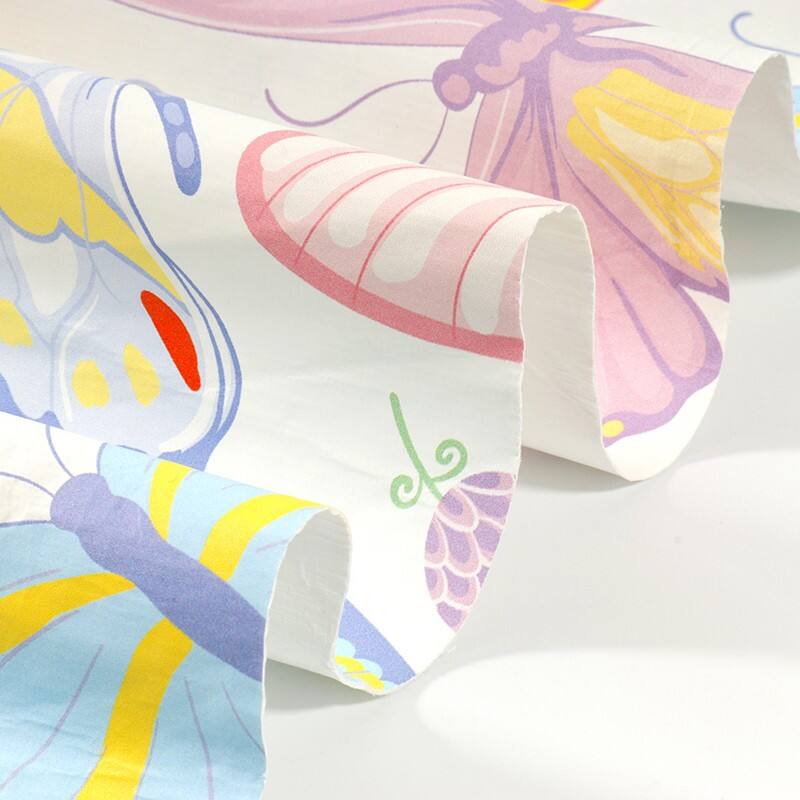
Nylon fabric has revolutionized the textile industry since its introduction in the 1930s, becoming one of the most versatile and widely used synthetic materials in modern clothing production. This synthetic polymer offers exceptional strength, durability, and flexibility that makes it ideal for both everyday wear and specialized applications. From athletic wear to industrial clothing, nylon fabric continues to set the standard for performance textiles that must withstand demanding conditions while maintaining comfort and functionality.
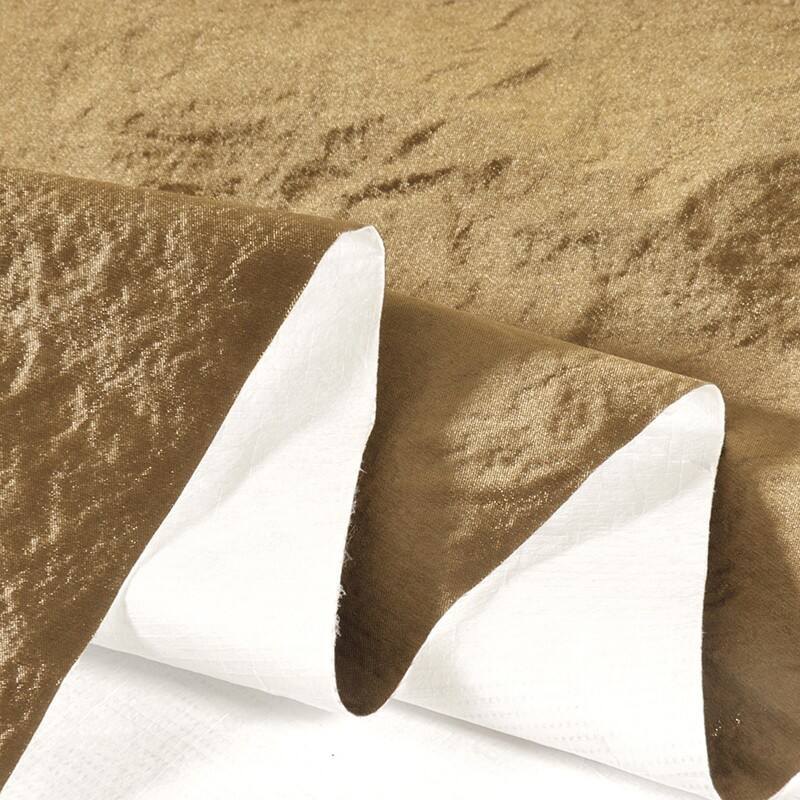
The unique molecular structure of nylon fabric provides remarkable tensile strength that far exceeds natural fibers like cotton or wool. This synthetic material exhibits excellent resistance to abrasion, making it perfect for garments that experience frequent friction or stress. The lightweight nature of nylon fabric allows designers to create clothing that offers superior performance without adding bulk, which is particularly valuable in athletic and outdoor applications.
Understanding the Science Behind Nylon Fabric
Chemical Composition and Manufacturing Process
Nylon fabric is created through a complex polymerization process that combines specific chemical compounds to form long-chain molecules called polyamides. These polyamide chains are what give nylon fabric its distinctive properties, including exceptional strength, elasticity, and resistance to wear. The manufacturing process involves melting the polymer and extruding it through spinnerets to create continuous filaments that are then woven or knitted into fabric.
The molecular structure of nylon fabric allows for precise control over fiber characteristics during production. Manufacturers can adjust the denier, which refers to the thickness of individual fibers, to create fabrics with varying weights and textures. This flexibility in production enables the creation of nylon fabric variants that range from ultra-fine materials for lingerie to heavy-duty fabrics for industrial applications.
Types and Variations of Nylon Fabric
Several distinct types of nylon fabric exist, each engineered for specific applications and performance requirements. Nylon 6 and Nylon 6,6 are the most common variants, with slight differences in their chemical structure that affect properties like melting point and dye absorption. These variations allow manufacturers to select the most appropriate nylon fabric type for their intended use, whether it's creating moisture-wicking sportswear or durable outdoor gear.
Ripstop nylon fabric features a specialized weaving pattern that incorporates thicker threads at regular intervals to prevent tears from spreading. This construction method makes it particularly valuable for applications where tear resistance is critical, such as parachutes, tents, and high-performance outerwear. The reinforced structure of ripstop nylon fabric provides exceptional durability while maintaining the lightweight characteristics that make nylon so desirable.
Performance Characteristics of Nylon Fabric
Strength and Durability Properties
The superior strength-to-weight ratio of nylon fabric makes it an ideal choice for applications requiring both durability and lightweight performance. This synthetic material can withstand significant stress and strain without breaking or permanently deforming, which is why it's commonly used in safety equipment and protective clothing. The abrasion resistance of nylon fabric is particularly noteworthy, as it can endure repeated friction without showing signs of wear that would compromise the garment's integrity.
Long-term durability testing has shown that nylon fabric maintains its structural integrity even after thousands of washing cycles and extended exposure to various environmental conditions. This longevity makes it a cost-effective choice for consumers and manufacturers alike, as garments made from nylon fabric typically outlast those made from natural fibers by a significant margin.
Moisture Management and Comfort Features
Modern nylon fabric excels in moisture management applications, particularly when treated with specialized finishes or combined with other synthetic fibers. The inherent hydrophobic nature of nylon fabric allows it to wick moisture away from the skin quickly, making it ideal for athletic wear and active lifestyle clothing. This moisture-wicking capability helps regulate body temperature and prevents the accumulation of sweat that can lead to discomfort or bacterial growth.
The quick-drying properties of nylon fabric are particularly valuable in outdoor and travel applications where garments may become wet and need to dry rapidly. Unlike natural fibers that can retain moisture for extended periods, nylon fabric typically dries within hours of being washed or exposed to moisture. This characteristic makes it exceptionally practical for travel clothing and outdoor gear where weight and drying time are important considerations.
Applications in Modern Clothing Design
Athletic and Performance Wear
The athletic wear industry has embraced nylon fabric as a cornerstone material for high-performance garments that must withstand intense physical activity. From running shorts to compression garments, nylon fabric provides the stretch, recovery, and durability needed to support athletic movement while maintaining shape and fit over time. The fabric's ability to move with the body without restricting motion has made it indispensable in professional and recreational sports applications.
Swimming and aquatic sports rely heavily on nylon fabric for its chlorine resistance and quick-drying properties. Competitive swimwear made from specialized nylon fabric can withstand the harsh chemicals found in pool water while maintaining its color and elasticity throughout the garment's lifespan. The smooth surface of nylon fabric also reduces drag in water, providing a performance advantage for competitive swimmers.
Outdoor and Adventure Gear
Outdoor enthusiasts depend on nylon fabric for its reliability in challenging environmental conditions. Hiking pants, rain jackets, and backpacks made from nylon fabric can endure exposure to UV radiation, temperature extremes, and rough terrain without failing. The tear resistance of nylon fabric is particularly valuable in outdoor applications where contact with rocks, branches, and other abrasive surfaces is common.
Technical outdoor garments often utilize multiple layers of nylon fabric with different properties to achieve optimal performance. Base layers might use fine-denier nylon fabric for comfort and moisture management, while outer shells employ heavier-weight nylon fabric for weather protection and durability. This layered approach allows outdoor clothing designers to maximize the benefits of nylon fabric while addressing the specific challenges of different environments and activities.
Sustainability and Environmental Considerations
Recycling and Circular Economy Initiatives
The fashion industry has increasingly focused on developing sustainable practices around nylon fabric production and disposal. Recycled nylon fabric, created from post-consumer waste and industrial byproducts, offers similar performance characteristics to virgin material while reducing environmental impact. Leading manufacturers have invested in closed-loop systems that can repeatedly process nylon fabric waste into new fibers without significant quality degradation.
Innovation in nylon fabric recycling has led to the development of programs where consumers can return worn garments for processing into new materials. This circular approach to nylon fabric use helps reduce landfill waste while providing manufacturers with a sustainable source of raw materials. The durability of nylon fabric actually supports these recycling efforts, as the material retains much of its strength even after extended use.
Energy Efficiency and Production Improvements
Modern nylon fabric production facilities have implemented significant improvements in energy efficiency and waste reduction compared to earlier manufacturing processes. Advanced polymerization techniques require less energy while producing higher-quality nylon fabric with more consistent properties. These improvements have reduced the overall environmental footprint of nylon fabric production while maintaining the performance characteristics that make it valuable.
The longevity of nylon fabric contributes to its overall sustainability profile, as garments made from this material typically require replacement less frequently than those made from less durable alternatives. This extended lifespan means that the initial environmental investment in producing nylon fabric is amortized over a longer period of use, improving the overall sustainability equation for clothing made from this synthetic material.
Care and Maintenance of Nylon Fabric
Washing and Cleaning Best Practices
Proper care of nylon fabric garments can significantly extend their lifespan and maintain their performance characteristics. Cold water washing is generally recommended for nylon fabric, as high temperatures can cause the fibers to weaken or lose their shape over time. Using mild detergents without bleach or fabric softeners helps preserve the integrity of nylon fabric while preventing the buildup of residues that can affect moisture-wicking properties.
The quick-drying nature of nylon fabric makes air drying the preferred method, though low-heat machine drying is acceptable for most garments. High heat should be avoided as it can cause nylon fabric to shrink or develop a permanent set that affects fit and comfort. Proper care techniques help maintain the appearance and functionality of nylon fabric garments throughout their extended lifespan.
Storage and Preservation Techniques
Long-term storage of nylon fabric garments requires attention to environmental conditions to prevent degradation or damage. Cool, dry storage areas away from direct sunlight help prevent UV damage and color fading that can affect the appearance of nylon fabric over time. Proper ventilation prevents moisture accumulation that could lead to mildew or bacterial growth, particularly important for athletic wear made from nylon fabric.
Folding techniques for nylon fabric garments should minimize creasing, as some types may retain permanent wrinkles if stored improperly for extended periods. Using acid-free tissue paper or breathable garment bags can provide additional protection for valuable nylon fabric items during long-term storage. These preservation techniques ensure that nylon fabric garments maintain their quality and performance characteristics even after extended periods of non-use.
FAQ
Is nylon fabric suitable for sensitive skin
Nylon fabric is generally well-tolerated by most people, including those with sensitive skin, especially when it's used in blends with natural fibers or treated with hypoallergenic finishes. Modern nylon fabric manufacturing includes processes that remove potentially irritating residues, making the final product skin-friendly. However, individuals with specific synthetic material sensitivities should test nylon fabric garments before extended wear.
How does nylon fabric compare to polyester in terms of performance
Nylon fabric typically offers superior strength, elasticity, and abrasion resistance compared to polyester, making it preferred for high-stress applications like activewear and outdoor gear. While polyester may be less expensive and offer better color retention, nylon fabric provides better moisture-wicking properties and maintains its shape better over time. The choice between materials often depends on specific application requirements and budget considerations.
Can nylon fabric be dyed at home
Home dyeing of nylon fabric requires specific acid dyes and techniques different from those used for natural fibers. While possible, the process can be challenging due to nylon fabric's synthetic nature and the need for precise temperature and pH control. Professional dyeing services are often recommended for valuable nylon fabric garments to ensure consistent results and prevent damage to the material.
What temperature should be used when ironing nylon fabric
Nylon fabric should be ironed at low temperatures, typically the synthetic or low setting on most irons, to prevent melting or permanent damage to the fibers. Using a pressing cloth between the iron and nylon fabric provides additional protection and helps achieve smooth results without direct heat contact. Steam ironing at low temperatures is often effective for removing wrinkles from nylon fabric garments while minimizing the risk of damage.