 EN
EN

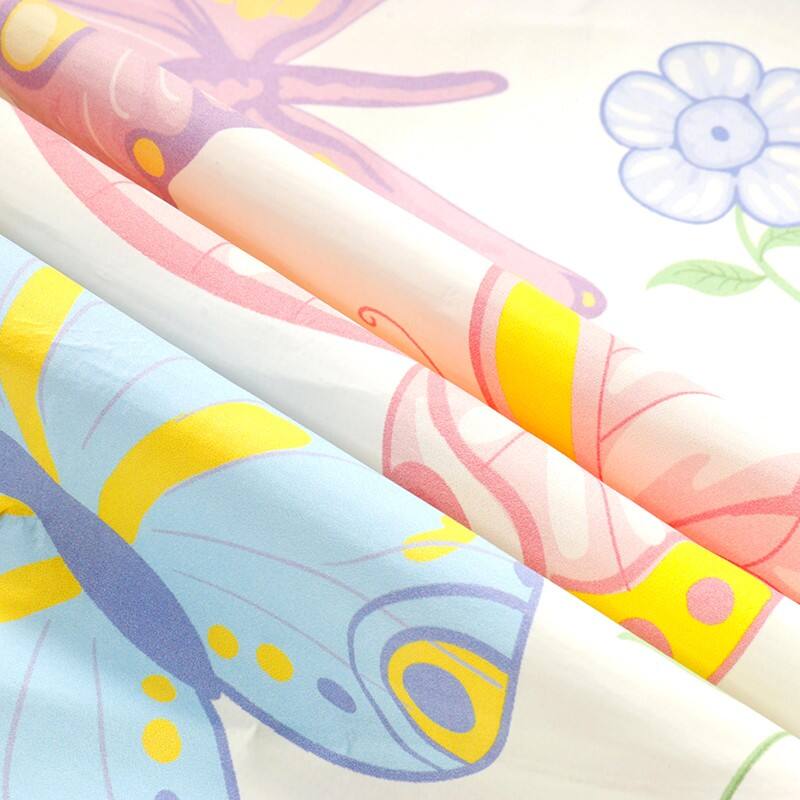
Polyester fabric has revolutionized the textile industry, becoming one of the most widely used synthetic materials in clothing manufacturing worldwide. This versatile synthetic fiber offers exceptional durability, affordability, and performance characteristics that make it indispensable for both fashion brands and consumers. From athletic wear to everyday garments, polyester fabric continues to demonstrate why it remains a cornerstone of modern textile production, providing manufacturers with reliable material properties that ensure consistent quality across diverse applications.
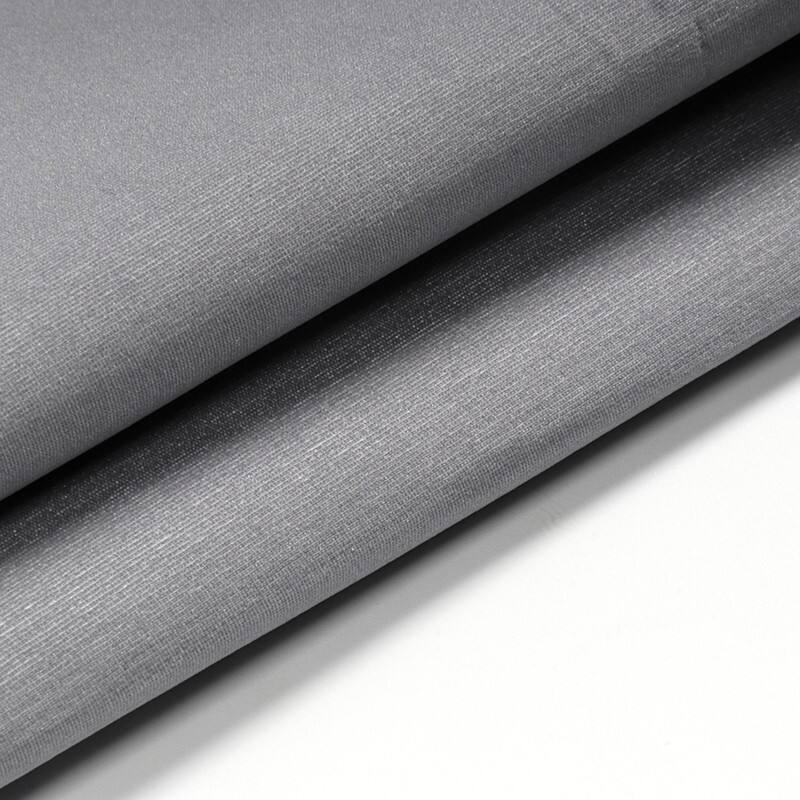
Understanding Polyester Fabric Composition and Manufacturing
Chemical Structure and Polymer Formation
The foundation of polyester fabric lies in its complex polymer structure, created through the polymerization of ethylene glycol and terephthalic acid. This chemical process produces long-chain molecules that form the backbone of polyester fibers, providing exceptional strength and resilience. The polymer formation process occurs at high temperatures, typically ranging from 280 to 300 degrees Celsius, where these raw materials undergo condensation polymerization. Understanding this fundamental chemistry helps manufacturers optimize production parameters to achieve desired fabric characteristics.
Modern polyester fabric production utilizes advanced catalysts and stabilizers to ensure consistent polymer molecular weight distribution. These additives play crucial roles in determining final fabric properties, including tensile strength, elongation characteristics, and thermal stability. The controlled polymerization environment allows manufacturers to fine-tune fiber properties for specific end-use applications, whether targeting high-performance athletic wear or cost-effective everyday clothing materials.
Fiber Production and Spinning Processes
The transformation from polyester polymer chips to finished fabric begins with melt spinning, where solid polymer is heated until molten and extruded through spinnerets. These precision-engineered devices contain thousands of tiny holes that shape the molten polymer into continuous filaments. The spinning process parameters, including temperature, extrusion speed, and cooling conditions, directly influence fiber diameter, uniformity, and mechanical properties of the resulting polyester fabric.
Following extrusion, the polyester filaments undergo drawing and orientation processes that align polymer chains and increase fiber strength. This mechanical treatment typically involves stretching the fibers to three to five times their original length while maintaining precise temperature control. The drawing process enhances crystallinity within the polyester structure, contributing to improved dimensional stability and reduced shrinkage in finished fabrics. Quality control measures throughout spinning ensure consistent fiber properties essential for reliable textile performance.
Key Advantages of Polyester Fabric in Clothing Applications
Exceptional Durability and Longevity
One of the most compelling reasons manufacturers choose polyester fabric is its remarkable durability compared to natural fiber alternatives. The synthetic polymer structure resists breaking down under normal wear conditions, maintaining fabric integrity through hundreds of wash cycles. This durability translates directly into extended garment lifespan, providing consumers with clothing that maintains appearance and performance over years of regular use. The resistance to stretching and shrinkage ensures garments retain their original fit and shape throughout their service life.
The molecular structure of polyester fabric provides inherent resistance to common fabric degradation mechanisms, including UV radiation, oxidation, and biological attack. Unlike natural fibers that may weaken when exposed to sunlight or moisture, polyester maintains its strength characteristics across diverse environmental conditions. This stability makes it particularly valuable for outdoor clothing applications where fabrics must withstand prolonged exposure to harsh conditions while maintaining protective properties and aesthetic appeal.
Cost-Effective Manufacturing and Processing
From a manufacturing perspective, polyester fabric offers significant economic advantages that benefit both producers and end consumers. The synthetic production process eliminates dependence on agricultural cycles and weather conditions that affect natural fiber availability and pricing. This consistency in raw material supply enables manufacturers to maintain stable production schedules and predictable cost structures, ultimately resulting in more affordable finished garments for consumers.
Processing efficiency represents another key economic advantage of polyester fabric in textile manufacturing. The material responds well to high-speed production equipment, allowing manufacturers to achieve higher throughput rates compared to natural fiber processing. Additionally, polyester requires fewer chemical treatments during finishing processes, reducing both processing time and environmental impact while maintaining consistent quality standards across production runs.
Performance Characteristics and Technical Properties
Moisture Management and Quick-Drying Properties
Modern polyester fabric excels in moisture management applications, making it ideal for activewear and performance clothing categories. The hydrophobic nature of polyester fibers naturally repels water, preventing fabric saturation and enabling rapid moisture evaporation. This characteristic proves particularly valuable in athletic applications where effective moisture transport away from skin enhances comfort and performance during physical activities.
Advanced polyester fabric constructions incorporate specialized fiber cross-sections and surface modifications to enhance moisture-wicking capabilities. Manufacturers can create channels and grooves in fiber surfaces that facilitate capillary action, drawing perspiration away from skin and spreading it across fabric surfaces for accelerated evaporation. These engineered moisture management systems demonstrate how polyester technology continues evolving to meet specific performance requirements in demanding applications.
Wrinkle Resistance and Easy Care Properties
The inherent wrinkle resistance of polyester fabric significantly reduces garment care requirements, offering practical benefits for both consumers and commercial laundry operations. The polymer structure exhibits shape memory characteristics that help fabrics return to their original configuration after deformation. This property minimizes the need for ironing and pressing, reducing energy consumption and extending garment lifespan by avoiding repeated heat exposure.
Easy care properties extend beyond wrinkle resistance to include stain resistance and simplified laundering requirements. Polyester fabric typically requires lower wash temperatures compared to natural fibers while achieving effective cleaning results. The synthetic structure resists absorbing oils and many common stains, making garments easier to maintain and extending time between necessary cleaning cycles. These practical advantages contribute significantly to the total cost of ownership for polyester garments.
Applications Across Different Clothing Categories
Athletic and Performance Wear
The athletic wear industry has embraced polyester fabric as a primary material choice due to its exceptional performance characteristics in demanding physical environments. Professional sports teams and fitness enthusiasts rely on polyester-based garments for moisture management, durability, and comfort during intense activities. The fabric's ability to maintain shape and performance through repeated washing cycles makes it particularly suitable for garments that require frequent laundering.
Advanced polyester fabric formulations incorporate antimicrobial treatments and odor-control technologies that address specific challenges in athletic applications. These enhancements prevent bacterial growth and associated odors, maintaining garment freshness even during extended wear periods. The combination of performance features and durability makes polyester an essential component in modern athletic wear design and manufacturing.
Fashion and Everyday Clothing
Beyond performance applications, polyester fabric has found widespread acceptance in fashion and casual clothing markets. Modern production techniques enable manufacturers to create polyester fabrics with hand-feel and appearance characteristics that rival natural fibers while retaining synthetic performance advantages. Blending polyester with natural fibers creates hybrid fabrics that combine the best attributes of both material types.
The versatility of polyester processing allows manufacturers to create diverse fabric textures, weights, and appearances suitable for various fashion applications. From lightweight blouses to structured outerwear, polyester provides designers with reliable material properties that support creative vision while ensuring garment performance and durability. This adaptability has made polyester fabric indispensable across multiple fashion segments and price points.
Environmental Considerations and Sustainability
Recycling and Circular Economy Applications
The textile industry increasingly recognizes the importance of sustainable practices, with polyester fabric playing a significant role in circular economy initiatives. Post-consumer polyester garments can be mechanically or chemically recycled into new fiber materials, reducing dependence on virgin polymer production. This recycling capability addresses environmental concerns while maintaining material quality standards necessary for clothing applications.
Advanced recycling technologies continue improving the efficiency and economic viability of polyester fabric recycling processes. Chemical recycling methods can break down polyester polymers to their molecular components, enabling the production of virgin-quality recycled materials. These technological advances support the development of truly circular textile systems where polyester fabric can be repeatedly recycled without significant quality degradation.
Energy Efficiency and Resource Conservation
Manufacturing polyester fabric requires significantly less water compared to natural fiber production, addressing growing concerns about water scarcity in textile manufacturing regions. The synthetic production process eliminates agricultural water requirements and reduces processing water needs during fiber preparation and dyeing operations. This water conservation advantage becomes increasingly important as the industry seeks to minimize environmental impact.
Energy efficiency in polyester fabric production continues improving through technological advances and process optimization. Modern manufacturing facilities incorporate heat recovery systems and improved process control that reduce energy consumption per unit of fabric produced. These efficiency improvements, combined with the durability advantages of polyester garments, contribute to reduced overall environmental impact compared to shorter-lived alternatives requiring more frequent replacement.
Future Innovations and Technology Developments
Smart Fabric Integration and Functional Enhancements
Emerging technologies are expanding the capabilities of polyester fabric beyond traditional textile applications. Smart fabric integration incorporates electronic components and sensors directly into polyester fiber structures, creating garments with monitoring and communication capabilities. These innovations open new possibilities for health monitoring, performance tracking, and interactive clothing applications that respond to environmental conditions or user inputs.
Functional enhancements continue advancing through nanotechnology applications and surface modification techniques. Manufacturers can now embed properties like enhanced UV protection, antimicrobial activity, and thermal regulation directly into polyester fabric structures. These value-added features expand application possibilities while maintaining the fundamental durability and cost advantages that make polyester attractive to manufacturers and consumers.
Bio-Based and Alternative Production Methods
Research into bio-based polyester production methods offers potential pathways to reduce dependence on petroleum-derived raw materials. These alternative production approaches utilize renewable feedstocks while maintaining the performance characteristics that make polyester fabric valuable in clothing applications. Development of bio-based polyester could address sustainability concerns while preserving the technical and economic advantages of synthetic fiber materials.
Advanced production technologies including 3D knitting and additive manufacturing are creating new possibilities for polyester fabric application in custom-fit and on-demand clothing production. These technologies reduce waste and enable personalized garment manufacturing that maximizes material utilization while delivering superior fit and performance. The combination of advanced production methods with polyester's inherent properties supports the evolution toward more efficient and sustainable textile manufacturing.
FAQ
How does polyester fabric compare to natural fibers in terms of comfort and breathability
Modern polyester fabric incorporates advanced fiber engineering and fabric construction techniques that significantly improve comfort and breathability compared to earlier synthetic materials. Microfiber polyester creates softer hand-feel while maintaining durability advantages, and specialized weave structures enhance air circulation. While natural fibers like cotton offer inherent breathability, engineered polyester fabrics can achieve comparable or superior moisture management through wicking technology and optimized fabric architecture.
What are the best practices for caring for polyester fabric garments
Caring for polyester fabric garments involves using moderate wash temperatures, typically 30-40°C, to maintain fabric properties while achieving effective cleaning. Avoid fabric softeners that can interfere with moisture-wicking properties, and use gentle detergents designed for synthetic materials. Machine drying on low heat settings prevents damage while taking advantage of polyester's quick-drying characteristics. Following these practices maximizes garment lifespan and maintains performance properties.
Can polyester fabric be successfully dyed and printed with various designs
Polyester fabric accepts a wide range of dyeing and printing techniques, including disperse dyes, sublimation printing, and heat transfer processes. The synthetic fiber structure provides excellent color fastness and vibrant color reproduction when proper techniques are employed. Sublimation printing particularly excels with polyester, creating permanent, fade-resistant designs that become integrated into the fiber structure. These capabilities make polyester ideal for custom designs and branding applications.
What factors should manufacturers consider when selecting polyester fabric for specific applications
Manufacturers should evaluate fiber denier, fabric weight, weave structure, and any specialized treatments when selecting polyester fabric for specific applications. Athletic wear requires moisture-wicking properties and stretch recovery, while outdoor clothing needs enhanced durability and weather resistance. Consider end-use requirements including wash frequency, environmental exposure, and performance expectations to match polyester fabric specifications with application demands. Working with experienced textile suppliers ensures optimal material selection for specific manufacturing requirements.
Table of Contents
- Understanding Polyester Fabric Composition and Manufacturing
- Key Advantages of Polyester Fabric in Clothing Applications
- Performance Characteristics and Technical Properties
- Applications Across Different Clothing Categories
- Environmental Considerations and Sustainability
- Future Innovations and Technology Developments
-
FAQ
- How does polyester fabric compare to natural fibers in terms of comfort and breathability
- What are the best practices for caring for polyester fabric garments
- Can polyester fabric be successfully dyed and printed with various designs
- What factors should manufacturers consider when selecting polyester fabric for specific applications