 EN
EN

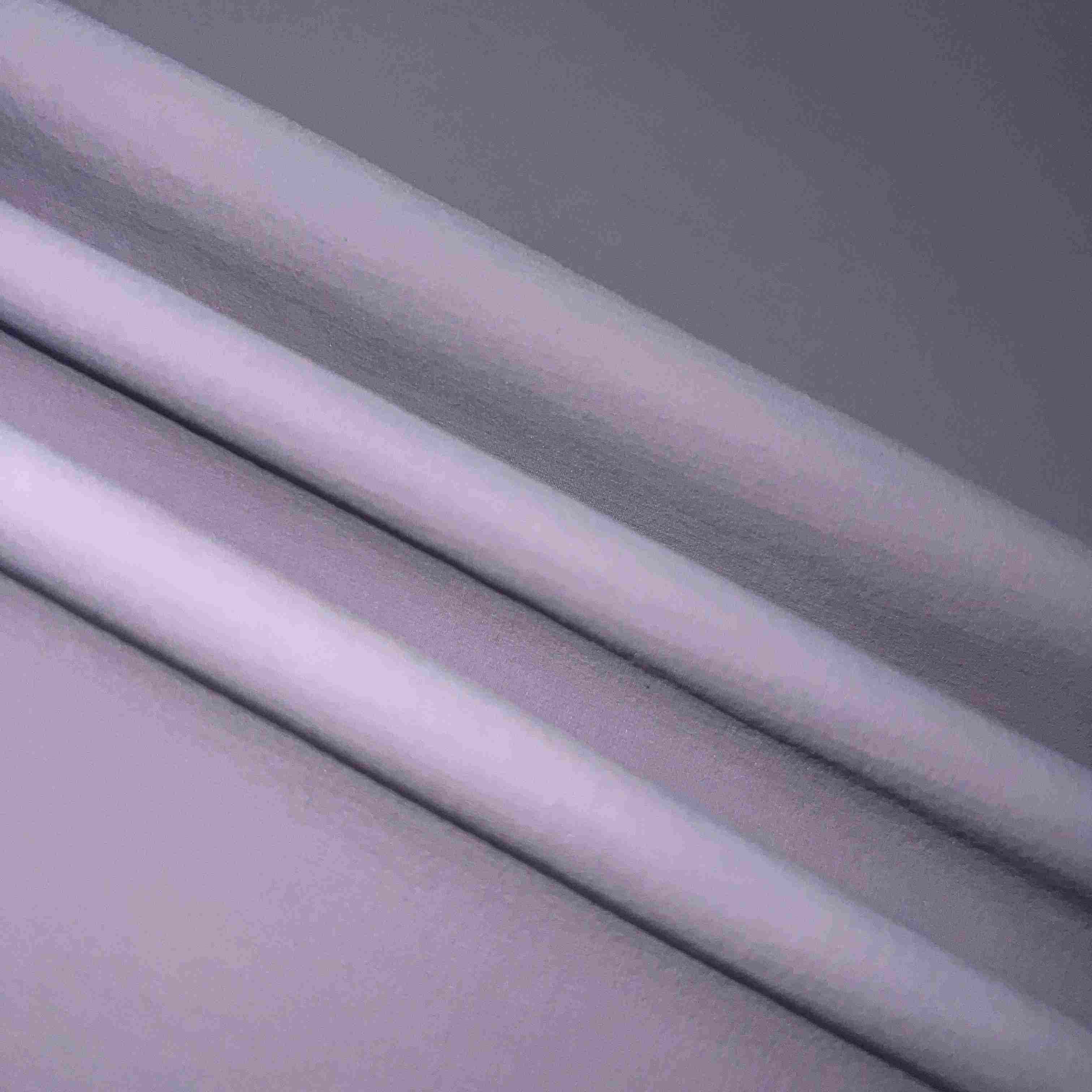
The textile industry has witnessed remarkable innovations over the decades, with synthetic materials revolutionizing how we approach fabric manufacturing and application. Among these groundbreaking developments, nylon fabrics have emerged as one of the most versatile and durable synthetic materials available today. From their initial introduction in the 1930s to their current widespread use across multiple industries, these synthetic polymers have consistently demonstrated exceptional performance characteristics that make them indispensable in modern manufacturing. The unique molecular structure of nylon creates fabrics that offer superior strength, flexibility, and resistance to various environmental factors, making them ideal for applications ranging from everyday clothing to specialized industrial uses.
Understanding the Fundamentals of Nylon Material Science
Chemical Composition and Molecular Structure
The foundation of nylon's exceptional properties lies in its complex chemical structure, which consists of long chains of polyamide molecules linked together through strong covalent bonds. This polyamide structure creates a material that exhibits remarkable tensile strength while maintaining flexibility under various stress conditions. The intermolecular forces between nylon chains contribute to the fabric's ability to resist deformation and return to its original shape after stretching. Understanding this molecular architecture is crucial for manufacturers and engineers who work with nylon fabrics in demanding applications where material reliability is paramount.
The synthesis process of nylon involves the careful polymerization of specific monomers, typically involving adipic acid and hexamethylene diamine for nylon 6,6, or the ring-opening polymerization of caprolactam for nylon 6. These different synthesis pathways result in variations in the final fabric properties, allowing manufacturers to tailor nylon fabrics for specific applications. The controlled molecular weight and crystallinity achieved during production directly influence characteristics such as melting point, chemical resistance, and mechanical strength. This level of chemical control enables the creation of specialized nylon variants that can meet stringent performance requirements across diverse industrial sectors.
Physical Properties and Performance Characteristics
The physical properties of nylon fabrics set them apart from both natural fibers and other synthetic materials in several key areas. Tensile strength represents one of the most significant advantages, with high-quality nylon fabrics capable of withstanding substantial mechanical stress without failure. This strength-to-weight ratio makes nylon an excellent choice for applications where material efficiency is critical, such as aerospace components, automotive parts, and high-performance sportswear. The elastic recovery properties of nylon allow fabrics to maintain their shape and appearance even after repeated stretching and deformation cycles.
Moisture management represents another crucial aspect of nylon fabric performance, with the material demonstrating low moisture absorption compared to natural fibers. This characteristic prevents dimensional changes due to humidity variations and reduces the risk of microbial growth in finished products. Additionally, nylon fabrics exhibit excellent abrasion resistance, making them suitable for applications involving frequent contact or friction. The combination of these physical properties creates a material platform that can be engineered to meet specific performance criteria while maintaining consistent quality and reliability over extended service periods.
Manufacturing Processes and Quality Control Standards
Advanced Production Techniques
Modern manufacturing of nylon fabrics incorporates sophisticated production techniques that ensure consistent quality and performance characteristics throughout the material. The spinning process begins with the careful melting and extrusion of nylon polymer chips through precisely controlled spinnerets, creating continuous filaments with uniform diameter and properties. Temperature control during this phase is critical, as variations can lead to inconsistencies in the final fabric structure. Advanced monitoring systems track parameters such as melt temperature, extrusion speed, and cooling rates to maintain optimal production conditions and ensure that each batch of nylon fabrics meets specified quality standards.
The weaving or knitting process that follows filament production requires specialized equipment capable of handling nylon's unique characteristics while maintaining tension control and preventing damage to the delicate fibers. Modern textile machinery incorporates computer-controlled systems that adjust parameters in real-time based on feedback from quality sensors embedded throughout the production line. This level of automation ensures that nylon fabrics maintain consistent thickness, density, and structural integrity across large production runs. Post-production treatments such as heat setting and chemical finishing further enhance the fabric's performance characteristics and prepare it for specific end-use applications.
Quality Assurance and Testing Protocols
Comprehensive quality control measures are essential in nylon fabric production to ensure that materials meet increasingly stringent performance requirements across various industries. Testing protocols typically include mechanical property evaluation, dimensional stability assessment, and chemical resistance verification. Tensile testing determines the fabric's ability to withstand applied forces, while tear resistance testing evaluates performance under sudden stress concentrations. These mechanical tests provide crucial data for engineers and designers who must select appropriate materials for specific applications and loading conditions.
Environmental testing forms another critical component of quality assurance programs, with fabrics subjected to accelerated aging conditions that simulate long-term exposure to ultraviolet radiation, temperature cycles, and chemical environments. Colorfast testing ensures that dyed nylon fabrics maintain their appearance under various exposure conditions, while dimensional stability testing verifies that materials will not shrink or distort during use or cleaning. These comprehensive testing protocols help manufacturers identify potential issues before products reach end users and provide valuable feedback for continuous improvement of production processes and material formulations.

Industrial Applications and Market Segments
Automotive and Transportation Industries
The automotive industry represents one of the largest consumers of high-performance nylon fabrics, utilizing these materials in applications ranging from interior components to under-hood applications where temperature and chemical resistance are critical. Seat fabrics, door panels, and headliners often incorporate nylon due to its excellent durability and ability to maintain appearance over extended periods of use and exposure to various environmental conditions. The material's resistance to automotive fluids, oils, and cleaning chemicals makes it particularly suitable for commercial vehicle applications where frequent maintenance and cleaning are required.
In transportation applications beyond automotive, nylon fabrics find extensive use in aircraft interiors, marine applications, and rail transportation systems. The aerospace industry values nylon's light weight combined with high strength, characteristics that directly contribute to fuel efficiency and overall vehicle performance. Fire retardant versions of nylon fabrics meet stringent safety requirements for aircraft cabin materials, while maintaining the comfort and durability characteristics expected by passengers. Marine applications benefit from nylon's resistance to saltwater corrosion and UV degradation, making it ideal for boat covers, sail reinforcements, and interior upholstery in harsh maritime environments.
Technical Textiles and Specialized Applications
The technical textile sector has embraced nylon fabrics for applications requiring specific performance characteristics that go beyond traditional textile requirements. Industrial filtration systems utilize nylon's chemical resistance and precise pore structure control to create filter media capable of operating in challenging chemical environments. The material's ability to maintain structural integrity under pressure makes it suitable for high-performance filtration applications in pharmaceutical manufacturing, chemical processing, and environmental remediation systems where reliable separation performance is critical.
Protective equipment and safety applications represent another significant market segment for specialized nylon fabrics, with materials engineered to provide cut resistance, chemical protection, and thermal insulation. Military and law enforcement applications demand nylon fabrics that can withstand extreme conditions while providing comfort and mobility for personnel. The development of composite nylon fabrics incorporating additional reinforcing materials has expanded application possibilities into areas such as ballistic protection, cut-resistant gloves, and high-visibility safety garments that must perform reliably in challenging work environments.
Sustainability and Environmental Considerations
Recycling and Circular Economy Initiatives
The environmental impact of nylon fabrics has become an increasingly important consideration as industries seek to reduce their ecological footprint while maintaining performance standards. Modern recycling technologies have made significant progress in developing closed-loop systems that can recover and reprocess nylon waste into new high-quality materials. Chemical recycling processes can break down used nylon fabrics into their constituent monomers, which can then be repolymerized into virgin-quality material. This approach addresses concerns about waste accumulation while reducing the need for new raw materials derived from petroleum sources.
Mechanical recycling represents another approach to nylon fabric sustainability, involving the collection, cleaning, and reprocessing of post-consumer and post-industrial nylon waste. While mechanical recycling may result in some degradation of material properties, advances in processing technology have improved the quality of recycled nylon fabrics to the point where they can be used in many demanding applications. Industry collaboration has led to the development of take-back programs and collection networks that facilitate the recovery of nylon products at the end of their useful life, creating a more circular approach to material utilization.
Bio-Based Alternatives and Innovation
Research into bio-based nylon alternatives has gained momentum as manufacturers seek to reduce dependence on fossil fuel-derived raw materials while maintaining the performance characteristics that make nylon fabrics valuable. Bio-based nylon production utilizes renewable feedstocks such as castor oil or other plant-derived materials to create polymers with similar properties to traditional petroleum-based nylon. These bio-based alternatives can significantly reduce the carbon footprint of nylon fabric production while providing comparable performance in many applications.
Innovation in nylon fabric sustainability extends beyond raw material sources to include improvements in production efficiency, waste reduction, and energy consumption. Advanced manufacturing techniques such as solution spinning and dry-jet wet spinning can reduce water and energy requirements during production while maintaining or improving fabric quality. Life cycle assessment tools help manufacturers identify opportunities for environmental improvement throughout the production chain, from raw material sourcing through end-of-life disposal or recycling. These comprehensive approaches to sustainability ensure that nylon fabrics can continue to meet performance requirements while addressing environmental concerns.
Future Trends and Technological Developments
Smart Fabrics and Functional Integration
The integration of smart technologies into nylon fabrics represents one of the most exciting developments in the field, with researchers exploring ways to incorporate sensors, conductive elements, and responsive materials directly into the fabric structure. These smart nylon fabrics can monitor environmental conditions, detect mechanical stress, or respond to external stimuli such as temperature or electrical signals. Applications range from athletic wear that monitors physiological parameters to industrial fabrics that can detect structural damage or wear in real-time, providing valuable data for predictive maintenance programs.
Nanotechnology integration offers another avenue for enhancing nylon fabric performance, with nanoparticle treatments providing improved properties such as antimicrobial activity, enhanced UV protection, or increased thermal management capabilities. These functional treatments can be applied during production or as post-processing steps, allowing manufacturers to create specialized nylon fabrics tailored for specific applications. The development of self-healing nylon materials represents an emerging technology that could dramatically extend fabric service life by enabling materials to repair minor damage automatically, reducing maintenance requirements and improving overall system reliability.
Advanced Composite Structures
The development of advanced composite structures incorporating nylon fabrics continues to push the boundaries of material performance and application possibilities. Hybrid composites combining nylon with carbon fiber, glass fiber, or other reinforcing materials create materials with exceptional strength-to-weight ratios suitable for aerospace, automotive, and sporting goods applications. These composite structures can be engineered to provide directional strength properties, allowing designers to optimize material placement for specific loading conditions while minimizing overall weight.
Three-dimensional fabric structures represent another area of innovation, with advanced weaving and braiding techniques creating nylon fabrics with complex geometries and integrated functionality. These 3D structures can incorporate channels for fluid flow, embedded sensors, or reinforcing elements that provide enhanced performance compared to traditional flat fabric constructions. The ability to create custom 3D nylon fabric structures opens new possibilities for applications in medical devices, filtration systems, and structural components where traditional materials cannot provide the required combination of properties and geometry.
FAQ
What are the main advantages of nylon fabrics compared to natural fibers
Nylon fabrics offer several distinct advantages over natural fibers, including superior strength and durability, excellent abrasion resistance, and consistent performance characteristics that do not vary with environmental conditions. Unlike natural fibers, nylon maintains its properties when wet and dries quickly, making it ideal for outdoor and athletic applications. The synthetic nature of nylon also allows for precise control of fabric properties during manufacturing, enabling the creation of materials tailored for specific performance requirements.
How do different types of nylon fabrics vary in their applications
Different nylon variants such as nylon 6, nylon 6,6, and specialty grades are formulated for specific application requirements. Nylon 6,6 typically offers higher melting point and stiffness, making it suitable for automotive and industrial applications, while nylon 6 provides better processability and is often used in textile applications. Specialty grades may incorporate additives for enhanced UV resistance, flame retardancy, or other specific properties required for demanding applications in aerospace, military, or medical sectors.
What factors should be considered when selecting nylon fabrics for industrial use
Industrial nylon fabric selection requires careful consideration of operating conditions including temperature range, chemical exposure, mechanical stress levels, and environmental factors such as UV exposure or moisture. The specific nylon grade, fabric construction method, and any required treatments or coatings must be evaluated against application requirements. Quality certifications, supplier reliability, and long-term availability should also be considered to ensure consistent supply for critical applications.
How can the lifespan of nylon fabrics be maximized in demanding applications
Maximizing nylon fabric lifespan requires proper selection of material grade and construction for the specific application, followed by appropriate installation and maintenance procedures. Regular inspection for signs of wear, proper cleaning using compatible chemicals, and protection from excessive UV exposure or temperatures beyond design limits all contribute to extended service life. Implementing predictive maintenance programs and replacing components before failure can prevent system downtime and reduce overall lifecycle costs.