 EN
EN

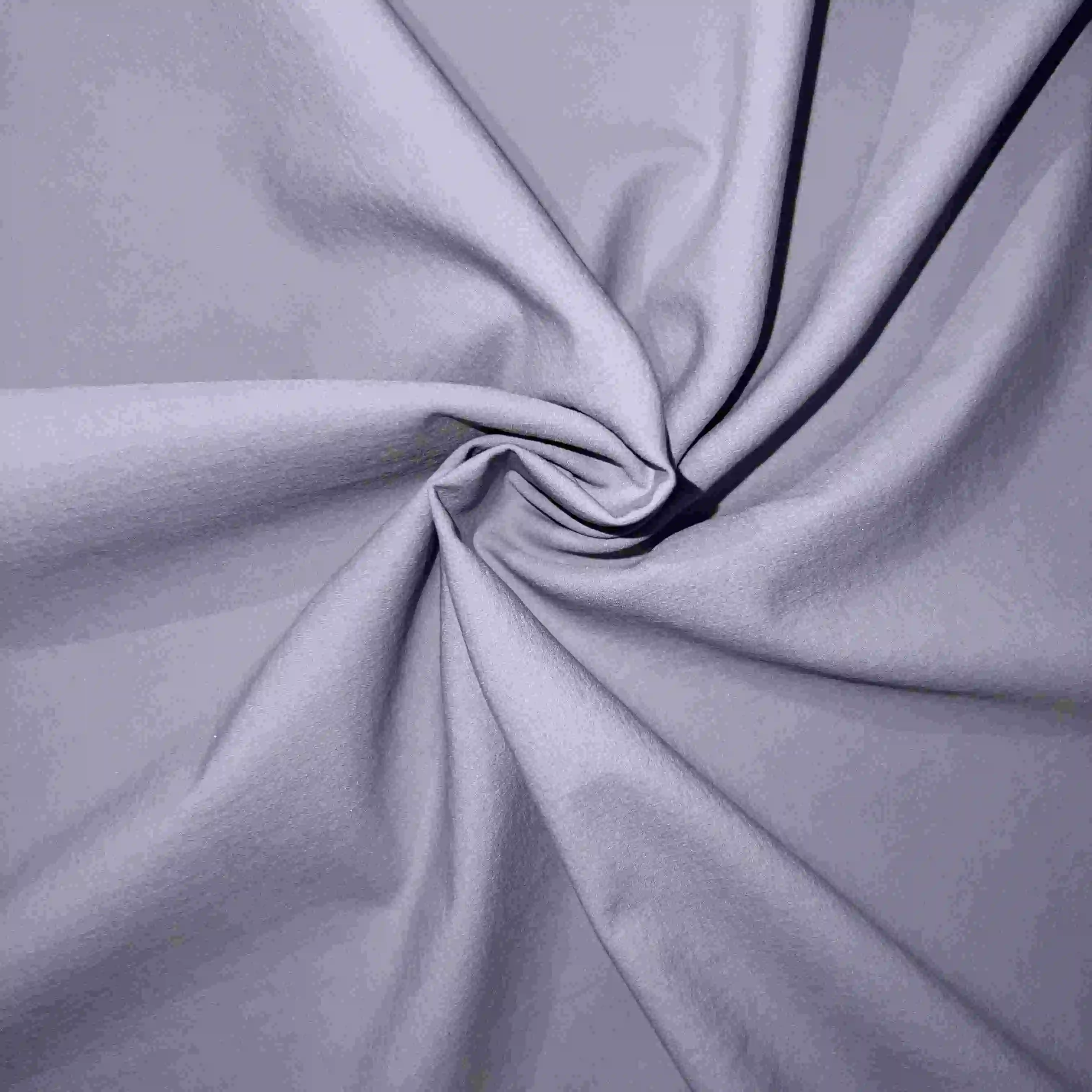
Understanding the Art of Textile Selection in Modern Fashion
The world of fashion fabrics represents an intricate tapestry of textures, weights, and compositions that form the foundation of every wardrobe. From luxurious silks to casual cottons, the choice of fabric can transform an ordinary garment into an extraordinary statement piece. As we explore the diverse landscape of fashion fabrics, we'll discover how different materials can enhance your style while providing comfort and functionality throughout the year.
Fashion fabrics play a crucial role in determining not just the look but also the performance of our clothing. The right fabric choice can make the difference between feeling confident and comfortable or spending the day fidgeting with uncomfortable clothing. Understanding the characteristics and applications of various textiles empowers us to make informed decisions about our wardrobes.
Essential Spring and Summer Fashion Fabrics
Lightweight Natural Fibers
When temperatures rise, breathable natural fashion fabrics become indispensable. Cotton leads the pack with its exceptional moisture-wicking properties and air circulation. Premium cotton varieties like Pima and Egyptian cotton offer superior softness and durability, making them perfect for everything from casual t-shirts to elegant summer dresses.
Linen, another warm-weather favorite, provides excellent ventilation and becomes softer with each wash. Though it wrinkles easily, this characteristic has become part of its charm, contributing to the relaxed, effortless summer aesthetic many designers embrace. Blended fashion fabrics combining linen with cotton or silk offer the best of both worlds – the breathability of linen with enhanced wrinkle resistance.
Technical Warm Weather Textiles
Modern technology has revolutionized summer fashion fabrics with innovative materials designed specifically for heat management. Moisture-wicking synthetics, often found in activewear, have transcended their athletic origins to become staples in summer casual wear. These advanced fashion fabrics feature properties like UV protection and quick-drying capabilities.
Bamboo fabric has emerged as a sustainable option that combines natural origins with technical performance. Its natural antibacterial properties and silky texture make it an excellent choice for summer garments, while its environmental benefits appeal to eco-conscious consumers.
Fall and Winter Fabric Selections
Insulating Materials
As temperatures drop, the focus shifts to fashion fabrics that provide warmth without bulk. Wool remains unmatched in its ability to insulate while allowing the body to breathe. Merino wool, in particular, has gained popularity for its fine fibers that prevent the itchiness associated with traditional wool garments.
Cashmere, though luxurious, has become more accessible and represents the pinnacle of winter fashion fabrics. Its exceptional warmth-to-weight ratio and incredible softness make it worth the investment for signature pieces that will last for years.
Weather-Resistant Options
Modern winter fashion fabrics often incorporate weather-resistant properties. Technical wool blends offer the warmth of natural fibers with enhanced durability and water resistance. Innovative synthetic materials mimic the insulating properties of natural fashion fabrics while providing superior protection against wind and rain.
Fleece and other synthetic pile fashion fabrics have evolved to offer better environmental credentials while maintaining their practical benefits. New recycled versions provide the same cozy comfort with a reduced ecological footprint.
Special Occasion and Formal Wear Textiles
Luxury Fashion Fabrics
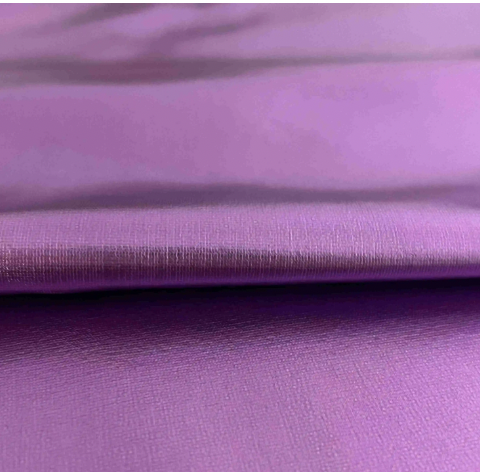
The world of formal wear demands fashion fabrics that exude sophistication and elegance. Silk remains the queen of luxury textiles, with varieties like charmeuse, dupioni, and crepe offering different textures and weights for various occasions. These premium fashion fabrics create garments that drape beautifully and catch the light in captivating ways.
Velvet, particularly in its silk variety, adds a touch of opulence to evening wear. Modern versions include stretch velvet, making this traditionally formal fabric more versatile and comfortable for contemporary fashion. The way these fashion fabrics interact with light creates depth and dimension that cannot be replicated with simpler materials.
Contemporary Formal Innovations
Today's formal fashion fabrics include innovative materials that combine traditional luxury with modern practicality. Metallic threads and subtle shimmer effects are woven into otherwise classic fashion fabrics, creating materials that transition seamlessly from day to evening wear.
Technical satins and crepes offer the look of traditional formal fashion fabrics with added benefits like stretch and wrinkle resistance. These modern interpretations make formal wear more comfortable and practical while maintaining its elegant appearance.
Sustainable and Ethical Fabric Choices
Eco-Friendly Materials
The fashion industry's shift toward sustainability has sparked innovation in eco-friendly fashion fabrics. Organic cotton, grown without harmful pesticides, provides a more sustainable alternative to conventional cotton. Recycled polyester, created from plastic bottles, gives new life to waste materials while reducing the demand for virgin synthetic fashion fabrics.
Innovative materials like Tencel and Modal, derived from wood pulp, offer sustainable alternatives with superior performance characteristics. These fashion fabrics combine environmental responsibility with excellent drape and comfort, making them increasingly popular choices for conscious consumers.
Future of Sustainable Fashion
Emerging technologies are revolutionizing the world of fashion fabrics. Laboratory-grown leather alternatives and fabrics made from agricultural waste demonstrate how innovation can create sustainable materials without compromising on quality or aesthetics. These next-generation fashion fabrics point toward a future where style and sustainability coexist seamlessly.
The integration of blockchain technology in fabric sourcing allows for unprecedented transparency in the supply chain, ensuring that sustainable fashion fabrics can be traced from source to final product. This technology empowers consumers to make informed choices about the materials they wear.
Frequently Asked Questions
How Do I Choose the Right Fabric for Different Weather Conditions?
Select lightweight, breathable fashion fabrics like cotton and linen for hot weather, and opt for insulating materials like wool and cashmere for cold conditions. Consider the activity level and duration of wear when making your selection. Technical fabrics with moisture-wicking properties are excellent for active situations regardless of season.
What Are the Most Durable Fashion Fabrics for Everyday Wear?
Tightly woven cotton, wool blends, and certain synthetic fashion fabrics offer excellent durability for daily use. Look for materials with high thread counts and quality construction. Natural-synthetic blends often provide the best combination of durability and comfort.
How Can I Identify Quality Fashion Fabrics While Shopping?
Examine the weave density, feel the weight and texture, and check for any irregularities in the fabric pattern. Quality fashion fabrics should have even coloring, consistent texture, and strong seams. For natural fibers, look for certifications that guarantee authentic materials and ethical production methods.