 EN
EN


The textile industry stands at a pivotal moment as polyester fabric continues to revolutionize manufacturing processes, consumer preferences, and sustainability initiatives across global markets. This synthetic polymer has transformed from a simple alternative material into a cornerstone of modern textile production, offering unprecedented versatility and performance characteristics that traditional natural fibers simply cannot match. The evolution of polyester fabric technology has enabled manufacturers to create products that meet increasingly demanding specifications while maintaining cost-effectiveness and scalability in production environments.
Manufacturing sectors worldwide have embraced polyester fabric innovations as companies seek materials that deliver consistent quality, durability, and processing efficiency. The synthetic nature of polyester allows for precise control over fiber properties, enabling textile engineers to customize characteristics such as moisture management, thermal regulation, and mechanical strength according to specific application requirements. These advantages have positioned polyester fabric as an essential component in industries ranging from automotive and aerospace to medical textiles and protective equipment manufacturing.
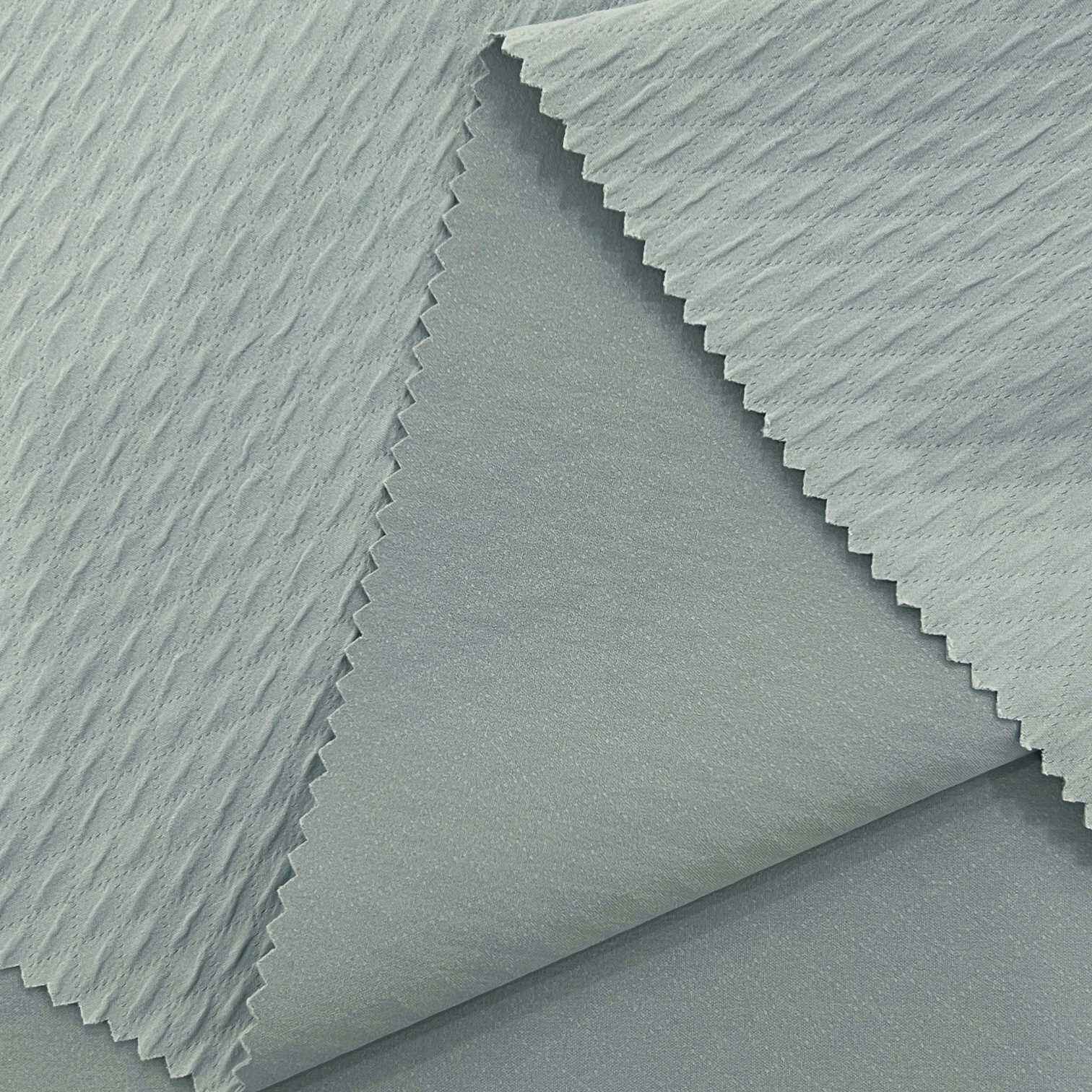
Advanced Manufacturing Techniques in Polyester Production
Molecular Engineering and Fiber Innovation
Modern polyester fabric production leverages sophisticated molecular engineering techniques that allow manufacturers to manipulate polymer structures at the microscopic level. These advanced processes enable the creation of specialized polyester variants with enhanced properties such as antimicrobial resistance, flame retardancy, and superior dimensional stability. The precision achievable in contemporary polyester fabric manufacturing has opened new possibilities for applications in high-performance sectors where material reliability is paramount.
Research and development teams continuously explore novel polymerization methods that improve the environmental footprint of polyester fabric production while maintaining superior performance characteristics. These innovations include bio-based polyester alternatives and recycling technologies that convert post-consumer plastic waste into high-quality textile fibers. The integration of sustainable practices in polyester fabric manufacturing represents a significant shift toward circular economy principles in the textile industry.
Quality Control and Testing Standards
Stringent quality control measures in polyester fabric production ensure consistency and reliability across different manufacturing batches and facilities. Advanced testing protocols evaluate critical parameters such as tensile strength, colorfastness, dimensional stability, and chemical resistance to guarantee that finished products meet industry specifications. These comprehensive testing procedures have become increasingly important as polyester fabric applications expand into safety-critical environments.
Modern quality assurance systems employ real-time monitoring technologies that track polyester fabric properties throughout the manufacturing process, enabling immediate adjustments to maintain optimal product characteristics. This level of process control has significantly improved the reputation and acceptance of polyester fabric in premium applications where performance consistency is essential for end-user satisfaction and safety.
Industrial Applications and Market Expansion
Automotive and Transportation Sectors
The automotive industry has increasingly adopted polyester fabric solutions for interior components, seat coverings, and acoustic insulation materials due to their exceptional durability and design flexibility. Advanced polyester formulations offer superior resistance to UV radiation, temperature fluctuations, and chemical exposure commonly encountered in automotive environments. These properties make polyester fabric an ideal choice for manufacturers seeking materials that maintain appearance and functionality throughout extended service life cycles.
Transportation applications beyond automotive have also benefited from polyester fabric innovations, with aerospace, marine, and rail industries incorporating these materials into cabin interiors, safety equipment, and structural components. The lightweight nature of polyester fabric contributes to fuel efficiency improvements while providing excellent mechanical properties and fire resistance characteristics required in transportation applications.
Technical Textiles and Protective Equipment
Technical textile applications represent one of the fastest-growing segments for polyester fabric utilization, with specialized formulations designed for industrial filtration, geotextiles, and composite reinforcement materials. These applications leverage the chemical inertness and mechanical strength of polyester fabric to create products that perform reliably in challenging environmental conditions where natural fibers would degrade rapidly.
Personal protective equipment manufacturing has embraced polyester fabric technology to develop lightweight, breathable, and durable safety garments for various industrial applications. The ability to engineer specific barrier properties into polyester fabric structures has enabled the creation of protective clothing that offers superior comfort and mobility while maintaining essential safety characteristics required in hazardous work environments.
Sustainability Innovations and Environmental Impact
Recycling Technologies and Circular Economy
Revolutionary recycling technologies have transformed the environmental profile of polyester fabric production by enabling the conversion of post-consumer plastic bottles and textile waste into high-quality fibers suitable for demanding applications. These closed-loop systems significantly reduce the environmental impact of polyester fabric manufacturing while creating valuable economic opportunities in waste management and resource recovery sectors.
Chemical recycling processes now allow for the complete depolymerization of used polyester fabric materials, creating virgin-quality raw materials that can be reprocessed indefinitely without degradation of performance characteristics. This breakthrough technology addresses long-standing concerns about textile waste accumulation and positions polyester fabric as a truly sustainable material option for environmentally conscious manufacturers and consumers.
Bio-Based Polyester Development
Emerging bio-based polyester fabric technologies utilize renewable feedstocks derived from agricultural waste, algae, and other sustainable sources to create environmentally friendly alternatives to traditional petroleum-based polyesters. These innovations maintain the performance advantages of conventional polyester fabric while significantly reducing carbon footprint and dependence on fossil fuel resources.
Commercial-scale production of bio-based polyester fabric has become increasingly viable as manufacturing costs decrease and performance characteristics continue to improve through ongoing research and development efforts. Leading textile manufacturers have begun incorporating bio-based polyester fabric into their product portfolios to meet growing consumer demand for sustainable textile solutions.
Market Trends and Future Outlook
Consumer Preferences and Market Dynamics
Consumer awareness of polyester fabric benefits has grown substantially as manufacturers improve product marketing and education initiatives that highlight performance advantages and sustainability improvements. Market research indicates increasing acceptance of polyester fabric in premium applications traditionally dominated by natural fibers, driven by superior performance characteristics and competitive pricing structures.
Fashion industry adoption of innovative polyester fabric technologies has accelerated as designers discover new possibilities for creative expression through advanced fiber engineering and surface treatments. High-performance polyester fabric variants now enable the creation of garments that combine aesthetic appeal with functional benefits such as moisture management, odor control, and enhanced durability.
Technological Integration and Smart Textiles
Integration of electronic components and sensing technologies into polyester fabric structures represents an emerging frontier in smart textile development, with applications ranging from health monitoring garments to interactive display materials. The stable polymer structure of polyester fabric provides an ideal platform for embedding electronic systems while maintaining textile flexibility and comfort characteristics.
Advanced manufacturing techniques enable the incorporation of conductive fibers, sensors, and communication devices directly into polyester fabric during production processes, creating seamless integration of technology and textile functionality. These innovations position polyester fabric at the forefront of the Internet of Things revolution in wearable technology and smart infrastructure applications.
Performance Characteristics and Technical Advantages
Mechanical Properties and Durability
The inherent molecular structure of polyester fabric provides exceptional tensile strength, abrasion resistance, and dimensional stability that surpass many natural fiber alternatives in demanding applications. These mechanical properties remain consistent across wide temperature ranges and exposure conditions, making polyester fabric suitable for applications where long-term performance reliability is critical for operational success.
Fatigue resistance characteristics of polyester fabric enable extended service life in applications involving repeated stress cycles, such as conveyor belts, filtration systems, and flexible packaging materials. The ability of polyester fabric to maintain structural integrity under continuous mechanical stress has made it indispensable in industrial applications where downtime and maintenance costs significantly impact operational efficiency.
Chemical Resistance and Environmental Stability
Polyester fabric exhibits outstanding resistance to a wide range of chemicals, solvents, and environmental contaminants that can rapidly degrade natural fiber materials in industrial settings. This chemical inertness makes polyester fabric particularly valuable in applications involving exposure to acids, bases, organic solvents, and other aggressive substances commonly encountered in manufacturing and processing environments.
UV stability and weathering resistance of polyester fabric enable reliable outdoor performance without significant degradation or property loss over extended exposure periods. These characteristics have made polyester fabric a preferred choice for architectural textiles, outdoor equipment, and protective covers where long-term exposure to environmental elements is unavoidable.
FAQ
What makes polyester fabric superior to natural fibers in industrial applications
Polyester fabric offers superior performance in industrial applications due to its exceptional chemical resistance, dimensional stability, and consistent quality characteristics that natural fibers cannot match. The synthetic nature of polyester fabric allows for precise control over material properties, enabling customization for specific application requirements while maintaining cost-effectiveness and reliable supply chain availability.
How does recycled polyester fabric compare to virgin polyester in terms of performance
Modern recycling technologies produce polyester fabric from post-consumer materials that matches or exceeds the performance characteristics of virgin polyester in most applications. Advanced chemical recycling processes ensure that recycled polyester fabric maintains identical molecular structure and mechanical properties while providing significant environmental benefits through reduced resource consumption and waste diversion.
What are the key considerations for selecting polyester fabric for technical applications
Selection of polyester fabric for technical applications requires careful evaluation of specific performance requirements including mechanical strength, chemical resistance, thermal stability, and environmental exposure conditions. Working with experienced suppliers who understand application-specific requirements ensures optimal polyester fabric selection and long-term performance success in demanding industrial environments.
How do bio-based polyester fabrics perform compared to traditional petroleum-based versions
Bio-based polyester fabric technologies have achieved performance parity with traditional petroleum-based materials while offering significant environmental advantages through renewable feedstock utilization and reduced carbon footprint. Ongoing research and development continue to improve bio-based polyester fabric characteristics, making them increasingly attractive for environmentally conscious manufacturers and consumers seeking sustainable textile solutions.
Table of Contents
- Advanced Manufacturing Techniques in Polyester Production
- Industrial Applications and Market Expansion
- Sustainability Innovations and Environmental Impact
- Market Trends and Future Outlook
- Performance Characteristics and Technical Advantages
-
FAQ
- What makes polyester fabric superior to natural fibers in industrial applications
- How does recycled polyester fabric compare to virgin polyester in terms of performance
- What are the key considerations for selecting polyester fabric for technical applications
- How do bio-based polyester fabrics perform compared to traditional petroleum-based versions