 EN
EN

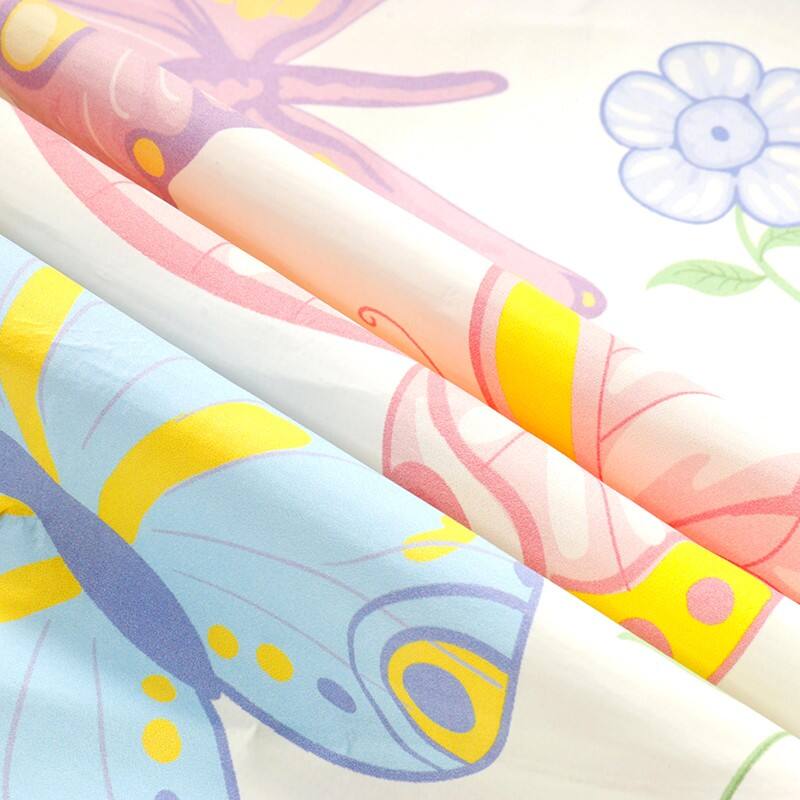
Polyester fabric has revolutionized the textile industry with its exceptional versatility, durability, and cost-effectiveness. This synthetic material, first introduced in the 1940s, has become one of the most widely used fabrics across various applications, from everyday clothing to industrial textiles. Understanding the comprehensive benefits of polyester fabric enables businesses and consumers to make informed decisions about their textile needs. The unique properties of this synthetic fiber make it an excellent choice for numerous applications where traditional natural fibers may fall short in performance or longevity.
Superior Durability and Longevity Characteristics
Exceptional Tensile Strength Properties
The molecular structure of polyester fabric provides remarkable tensile strength that surpasses many natural fibers. This synthetic material can withstand significant stress and strain without breaking or losing its structural integrity. The polymer chains in polyester create a robust network that maintains stability under various conditions. Industries requiring high-performance textiles often choose polyester fabric for applications where failure is not an option. The strength-to-weight ratio of this material makes it ideal for demanding environments where both durability and lightweight properties are essential.
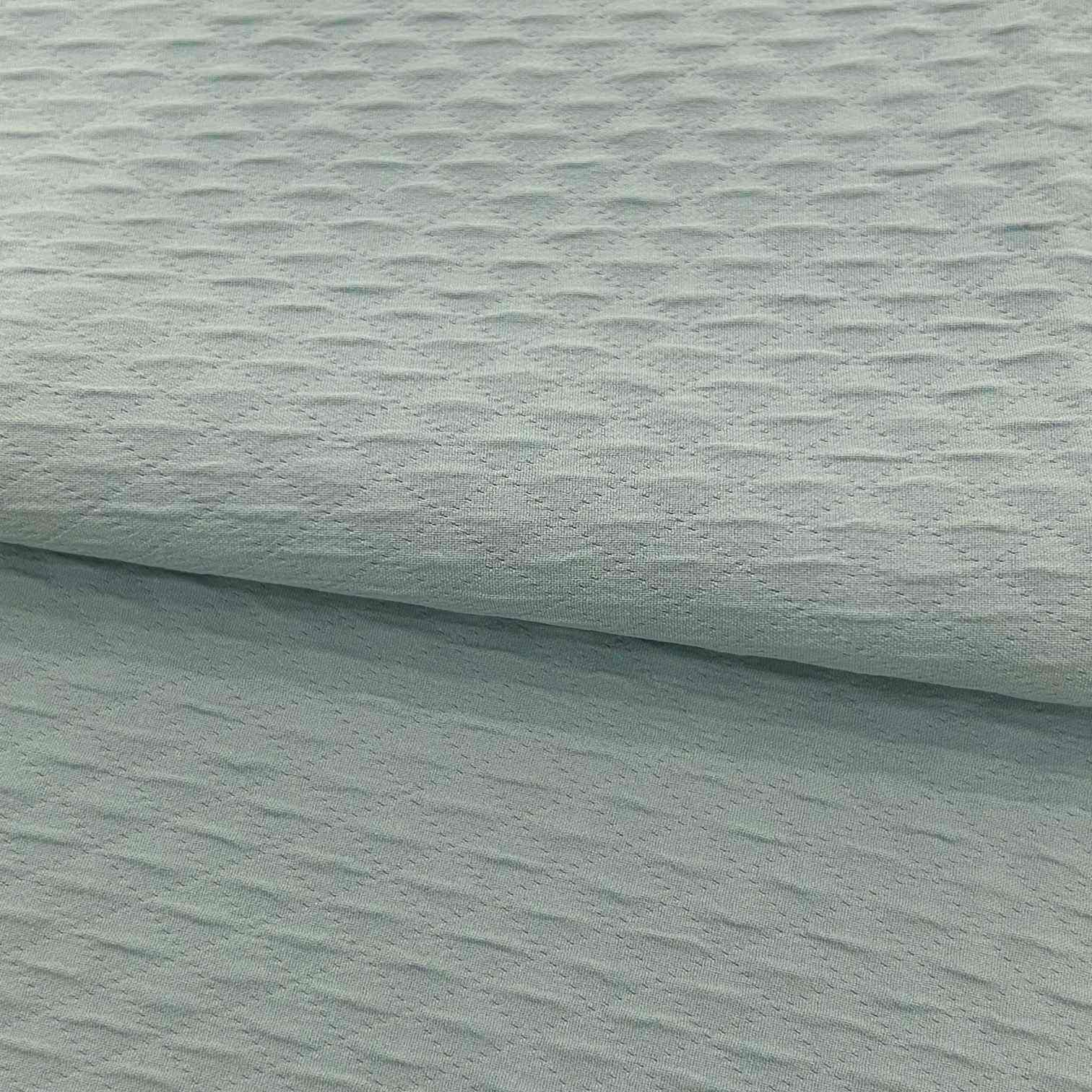
Manufacturing processes have further enhanced the strength characteristics of modern polyester fabric formulations. Advanced spinning techniques and chemical treatments increase the fiber's resistance to mechanical stress. Quality control measures ensure consistent strength properties across different production batches. These improvements have expanded the applications of polyester fabric into sectors previously dominated by metal or other synthetic materials. The reliability of strength properties makes it a preferred choice for safety-critical applications.
Resistance to Environmental Factors
Environmental resistance represents another significant advantage of polyester fabric over natural alternatives. This synthetic material demonstrates excellent resistance to ultraviolet radiation, preventing degradation and color fading over extended exposure periods. The chemical structure of polyester provides inherent protection against various weather conditions. Moisture resistance prevents the growth of mold, mildew, and bacteria that commonly affect natural fibers. These protective qualities make polyester fabric suitable for outdoor applications and harsh industrial environments.
Temperature stability further enhances the environmental resistance of polyester fabric materials. The synthetic fibers maintain their properties across a wide temperature range without significant dimensional changes. Chemical resistance protects against degradation from common solvents, oils, and cleaning agents. This comprehensive environmental resistance extends the service life of products made from polyester fabric, reducing replacement costs and maintenance requirements for end users.
Cost-Effectiveness and Economic Benefits
Manufacturing Efficiency Advantages
The production of polyester fabric offers significant cost advantages compared to natural fiber alternatives. Synthetic manufacturing processes provide greater control over quality and consistency while reducing dependency on agricultural variables. Large-scale production facilities can produce polyester fabric continuously without seasonal limitations that affect natural fiber availability. Automated production systems reduce labor costs and improve manufacturing efficiency. These economic factors translate into competitive pricing for end products while maintaining consistent quality standards.
Raw material availability represents another economic benefit of polyester fabric production. Petroleum-based feedstocks provide a stable supply chain that is less susceptible to weather-related disruptions. Recycling capabilities allow manufacturers to incorporate post-consumer waste into new polyester fabric production, further reducing material costs. The scalability of synthetic production enables rapid capacity expansion to meet growing demand without the time constraints associated with natural fiber cultivation.
Long-Term Value Proposition
The extended lifespan of polyester fabric products provides significant long-term value for businesses and consumers. Reduced replacement frequency translates into lower total cost of ownership over the product lifecycle. Minimal maintenance requirements further reduce operational costs associated with polyester fabric applications. The dimensional stability of this synthetic material prevents shrinkage and distortion that can render products unusable. These factors combine to create a compelling economic case for choosing polyester fabric over alternative materials.
Energy efficiency during use represents an additional economic benefit of polyester fabric in certain applications. The lightweight nature of the material reduces transportation costs and energy consumption. Quick-drying properties minimize energy requirements for maintenance and cleaning processes. The versatility of polyester fabric enables consolidation of inventory and reduces the complexity of supply chain management for businesses using multiple textile types.
Versatile Performance Characteristics
Moisture Management Properties
Modern polyester fabric incorporates advanced moisture management technologies that enhance comfort and performance. Wicking properties transport moisture away from the skin to the fabric surface for rapid evaporation. These characteristics make polyester fabric ideal for athletic wear and performance applications where moisture control is critical. The synthetic nature of the fibers allows for precise engineering of porosity and surface treatments to optimize moisture transport. Manufacturers can customize these properties to meet specific performance requirements for different end-use applications.
Quick-drying capabilities represent another valuable moisture-related benefit of polyester fabric materials. The low moisture absorption rate prevents the fabric from becoming heavy when wet and enables rapid return to dry conditions. This property is particularly beneficial for outdoor applications and industrial uses where quick turnaround times are important. The dimensional stability of polyester fabric when wet prevents shrinkage and distortion that can occur with natural fibers under similar conditions.
Thermal Regulation Capabilities
The thermal properties of polyester fabric can be engineered to provide specific insulation or breathability characteristics. Fiber structure modifications enable manufacturers to create materials ranging from highly insulating to extremely breathable. This flexibility allows polyester fabric to serve diverse applications from winter clothing to summer athletic wear. The synthetic nature of the material provides consistent thermal performance that does not vary with humidity or other environmental conditions. Advanced manufacturing techniques continue to expand the thermal regulation capabilities of polyester fabric products.
Heat retention and dissipation properties can be optimized through various processing techniques and fiber treatments. Microfiber constructions create air pockets that provide excellent insulation while maintaining lightweight characteristics. Conversely, open structures promote airflow and heat dissipation for cooling applications. The ability to tailor these thermal properties makes polyester fabric suitable for specialized applications where precise temperature control is required.
Care and Maintenance Advantages
Easy Cleaning Requirements
The low-maintenance nature of polyester fabric provides significant practical advantages for both commercial and residential users. Standard washing machines and detergents effectively clean polyester fabric without requiring special treatments or procedures. The synthetic fibers resist staining and allow for easy removal of most contaminants. Chemical resistance enables the use of stronger cleaning agents when necessary without damaging the fabric structure. These properties reduce the time and cost associated with maintaining polyester fabric products.
Colorfastness represents another maintenance advantage of quality polyester fabric materials. The synthetic fibers hold dyes effectively, preventing color bleeding during washing and maintaining appearance over many cleaning cycles. This stability reduces the need for special care instructions and allows for mixed-load washing without color transfer concerns. The durability of printed designs and patterns on polyester fabric extends the useful life of decorated products.
Storage and Handling Benefits
Polyester fabric requires minimal special considerations for storage and handling compared to natural fiber alternatives. The synthetic material is not susceptible to insect damage that commonly affects wool and other protein fibers. Moisture resistance prevents mold and mildew growth during storage in humid conditions. The dimensional stability of polyester fabric eliminates concerns about stretching or shrinkage during handling and storage. These characteristics simplify inventory management and reduce storage-related losses for businesses.
The resilience of polyester fabric enables compact storage without permanent creasing or damage to the material structure. Recovery properties allow the fabric to return to its original shape after compression or folding. This resilience is particularly valuable for applications where space-efficient storage is important. The consistent performance of polyester fabric after extended storage periods ensures reliable quality for end-use applications.
Environmental Considerations and Sustainability
Recycling and Circular Economy Benefits
Modern polyester fabric production increasingly incorporates recycling technologies that support circular economy principles. Post-consumer plastic bottles and textile waste can be processed into high-quality polyester fabric fibers. This recycling capability reduces dependence on virgin petroleum feedstocks while diverting waste from landfills. Advanced recycling processes maintain the performance characteristics of recycled polyester fabric, ensuring no compromise in quality. The closed-loop potential of synthetic materials creates opportunities for sustainable manufacturing practices.
Chemical recycling technologies continue to advance, enabling multiple recycling cycles without significant degradation of polyester fabric properties. These developments support long-term sustainability goals while maintaining the economic advantages of synthetic materials. The identification and sorting systems for polyester fabric recycling have improved significantly, increasing the efficiency of waste recovery processes. Industry collaboration has established collection and processing networks that support large-scale recycling of polyester fabric products.
Energy Efficiency in Production
Manufacturing efficiency improvements have reduced the energy requirements for polyester fabric production compared to historical processes. Modern production facilities incorporate energy recovery systems and optimize process parameters to minimize environmental impact. The consistency of synthetic production enables better energy management compared to the variable requirements of natural fiber processing. Technological advances continue to improve the energy efficiency of polyester fabric manufacturing operations.
The transportation efficiency of polyester fabric contributes to overall energy savings in the supply chain. The lightweight nature of the material reduces fuel consumption during shipping and distribution. Compact packaging capabilities further improve transportation efficiency. These factors combine to reduce the total energy footprint of polyester fabric from production through end-use application.
FAQ
How does polyester fabric compare to cotton in terms of durability
Polyester fabric generally offers superior durability compared to cotton due to its synthetic polymer structure. While cotton is a natural fiber that can weaken with repeated washing and wear, polyester fabric maintains its strength and appearance over many more cycles. The synthetic nature of polyester fabric provides better resistance to stretching, shrinking, and color fading. However, cotton offers different benefits such as breathability and natural comfort that may be preferred in certain applications.
Can polyester fabric be recycled effectively
Yes, polyester fabric can be effectively recycled through both mechanical and chemical processes. Mechanical recycling breaks down used polyester fabric into fibers that can be respun into new fabric, while chemical recycling returns the material to its molecular components for repolymerization. The recycling rate and quality of recycled polyester fabric continue to improve with advancing technology. Many manufacturers now incorporate significant percentages of recycled content in their polyester fabric production.
What are the main disadvantages of polyester fabric
The primary disadvantages of polyester fabric include its petroleum-based origin, potential for static electricity buildup, and lower breathability compared to natural fibers. Some people find polyester fabric less comfortable against the skin, particularly in hot weather conditions. The synthetic nature can also make it more prone to retaining odors compared to natural fibers. However, modern manufacturing techniques have addressed many of these concerns through improved fiber treatments and blending technologies.
Is polyester fabric suitable for sensitive skin conditions
Modern polyester fabric formulations are generally suitable for most people, including those with sensitive skin, when properly manufactured and finished. High-quality polyester fabric undergoes treatments to remove potentially irritating chemicals and improve surface smoothness. However, individuals with specific sensitivities should test any new fabric before extended use. Blends of polyester fabric with natural fibers often provide a good compromise between performance benefits and skin comfort for sensitive users.