 EN
EN

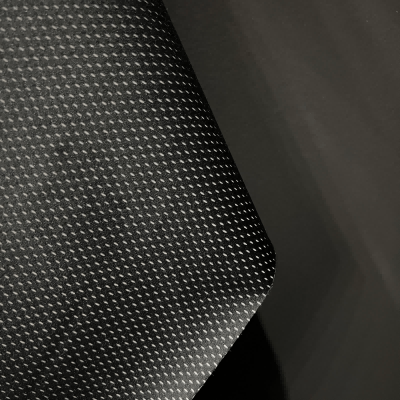
The textile industry is experiencing a remarkable transformation as sustainable and versatile materials gain prominence among designers and consumers alike. Among these revolutionary materials, rayon fabric stands out as a game-changer that bridges the gap between natural and synthetic fibers. This semi-synthetic textile has emerged as a preferred choice for fashion designers seeking eco-friendly alternatives without compromising on quality, comfort, or aesthetic appeal. As the fashion industry continues to evolve toward more sustainable practices, rayon fabric represents a significant step forward in addressing environmental concerns while meeting the diverse needs of modern consumers.
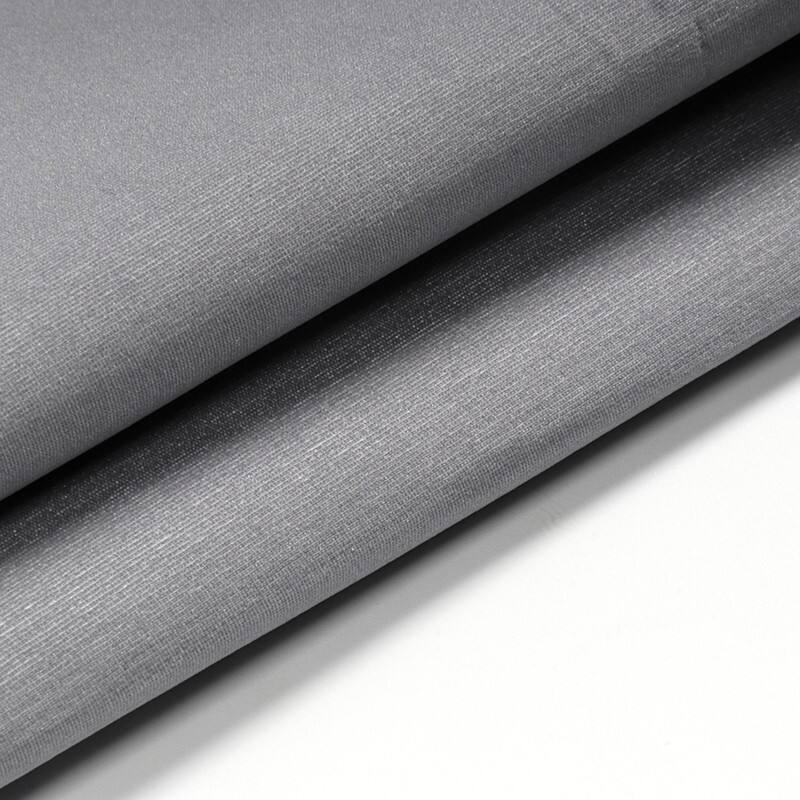
Understanding Rayon Fabric Properties and Characteristics
Composition and Manufacturing Process
Rayon fabric is manufactured from natural cellulose fibers derived primarily from wood pulp, bamboo, or cotton waste. The production process involves dissolving these cellulose materials in chemical solutions to create a viscous liquid that is then extruded through spinnerets to form continuous filaments. This unique manufacturing approach allows rayon fabric to combine the best characteristics of natural fibers with enhanced durability and consistency. The resulting textile exhibits excellent breathability, moisture absorption, and drape qualities that make it highly desirable for various fashion applications.
The chemical treatment during production gives rayon fabric its distinctive properties, including superior dye retention and color vibrancy. Unlike purely synthetic materials, rayon maintains many of the beneficial characteristics of natural cellulose while offering improved strength and uniformity. This manufacturing process also allows for the creation of different rayon varieties, each with specific properties tailored to particular applications in the fashion industry.
Physical and Performance Attributes
The physical characteristics of rayon fabric make it exceptionally versatile for fashion applications. Its smooth surface texture provides a luxurious feel that rivals silk, while its lightweight nature ensures comfort in various climates. Rayon fabric demonstrates excellent draping qualities, allowing designers to create flowing garments that move gracefully with the wearer's body. The material's high moisture absorbency makes it particularly suitable for clothing worn in warm weather or during physical activities.
From a performance perspective, rayon fabric offers remarkable flexibility in terms of finishing treatments and blending possibilities. It accepts dyes readily, resulting in vibrant colors that remain stable over time. The fiber's structure also allows for various surface treatments that can enhance specific properties such as wrinkle resistance or antimicrobial characteristics. These versatile performance attributes have made rayon fabric increasingly popular among fashion designers seeking materials that can meet diverse functional requirements while maintaining aesthetic appeal.
Environmental Impact and Sustainability Benefits
Renewable Resource Utilization
One of the most compelling aspects of rayon fabric is its foundation in renewable resources. Unlike petroleum-based synthetic fibers, rayon is derived from plant materials that can be sustainably harvested and regenerated. Wood pulp from responsibly managed forests provides the primary raw material for most rayon production, supporting forest management practices that maintain ecological balance. This renewable foundation significantly reduces the environmental footprint compared to traditional synthetic alternatives.
The sustainability profile of rayon fabric extends beyond its raw material sources to include innovative production methods that minimize waste and energy consumption. Modern rayon manufacturing facilities employ closed-loop systems that recycle chemicals and reduce water usage. These environmental considerations have made rayon fabric an attractive option for fashion brands committed to sustainable practices while maintaining high-quality standards in their products.
Biodegradability and End-of-Life Considerations
The biodegradable nature of rayon fabric addresses growing concerns about textile waste in the fashion industry. Unlike synthetic materials that persist in landfills for decades, rayon naturally decomposes when exposed to environmental conditions. This biodegradability characteristic makes rayon fabric an environmentally responsible choice for consumers seeking sustainable fashion options. The decomposition process returns organic matter to the soil, completing a natural cycle that minimizes long-term environmental impact.
Fashion brands increasingly recognize the importance of end-of-life considerations in their material selection processes. Rayon fabric offers a solution that allows for responsible disposal while maintaining the performance characteristics required for high-quality garments. This balance between functionality and environmental responsibility has positioned rayon as a preferred material for brands implementing comprehensive sustainability strategies.
Fashion Industry Applications and Design Versatility
Garment Categories and Styling Options
The versatility of rayon fabric enables its application across numerous garment categories, from casual wear to formal attire. Designers appreciate how rayon fabric adapts to different styling approaches, whether creating structured blazers or flowing evening gowns. The material's excellent draping properties make it particularly suitable for garments that require graceful movement and elegant silhouettes. Fashion houses have embraced rayon for its ability to achieve both comfort and sophistication in a single material.
Contemporary fashion trends have highlighted the adaptability of rayon fabric in meeting diverse aesthetic requirements. The material works equally well in minimalist designs and elaborate decorative applications. Its smooth surface provides an ideal canvas for printing and embellishment techniques, while its natural sheen adds visual interest without appearing artificial. This versatility has made rayon fabric a staple in collections ranging from fast fashion to luxury couture.
Seasonal Adaptability and Consumer Preferences
Rayon fabric demonstrates remarkable adaptability to seasonal fashion requirements, making it valuable for year-round collections. During warmer months, its breathable nature and moisture-wicking properties provide comfort in humid conditions. In cooler seasons, rayon can be blended with other fibers or used in layered designs to provide appropriate insulation while maintaining its characteristic drape and feel. This seasonal versatility reduces the need for multiple material types across different collections.
Consumer preferences have increasingly shifted toward materials that offer both comfort and style, making rayon fabric particularly appealing in contemporary markets. The material's soft hand feel and natural movement address consumer desires for comfortable clothing that doesn't compromise on appearance. Fashion retailers have noted strong consumer response to rayon-based garments, particularly among demographics seeking sustainable options without sacrificing quality or aesthetic appeal.
Manufacturing Innovations and Technological Advances
Production Efficiency Improvements
Recent technological advances in rayon fabric production have significantly improved efficiency while reducing environmental impact. Modern manufacturing facilities utilize advanced monitoring systems that optimize chemical usage and minimize waste generation. These improvements have made rayon production more cost-effective while enhancing the consistency and quality of the finished material. Automated production processes ensure uniform fiber characteristics that meet the exacting standards required by fashion manufacturers.
Innovation in production techniques has also expanded the range of rayon fabric variations available to designers. New processing methods enable the creation of specialized rayon types with enhanced properties such as increased strength, improved elasticity, or specific texture characteristics. These technological advances continue to broaden the application possibilities for rayon fabric in fashion design while maintaining the material's fundamental environmental benefits.
Quality Control and Consistency Standards
The implementation of advanced quality control systems in rayon fabric manufacturing has elevated the material's reputation for consistency and reliability. Sophisticated testing procedures ensure that each production batch meets specified standards for strength, colorfastness, and dimensional stability. These quality assurance measures have increased confidence among fashion designers and manufacturers who require predictable material performance in their production processes.
Standardization efforts across the rayon fabric industry have established clear specifications for different grades and types of material. This standardization facilitates better communication between suppliers and fashion manufacturers while ensuring consistent results across different production facilities. The improved quality control standards have contributed to the growing acceptance of rayon fabric as a reliable alternative to traditional materials in high-end fashion applications.
Market Trends and Consumer Adoption
Growing Demand in Sustainable Fashion
The sustainable fashion movement has created significant demand for rayon fabric as consumers become more environmentally conscious in their purchasing decisions. Fashion brands are responding to this trend by incorporating rayon into their collections as part of broader sustainability initiatives. Market research indicates that consumer awareness of environmental issues is driving increased interest in materials like rayon fabric that offer eco-friendly alternatives without compromising on style or comfort.
Retail data shows consistent growth in sales of garments made from rayon fabric, particularly among younger demographics who prioritize environmental considerations in their fashion choices. This market trend has encouraged fashion brands to expand their use of rayon fabric across different product categories and price points. The positive consumer response has validated the fashion industry's investment in sustainable materials and production processes.
Industry Adoption and Brand Integration
Major fashion brands have increasingly integrated rayon fabric into their core product lines, recognizing its potential to meet both environmental and performance requirements. Brand partnerships with rayon fabric manufacturers have facilitated the development of customized materials that meet specific design and functional criteria. This collaboration between brands and suppliers has accelerated innovation in rayon fabric development while ensuring adequate supply for growing demand.
The fashion industry's adoption of rayon fabric extends beyond individual brands to include industry-wide initiatives promoting sustainable materials. Fashion weeks and trade shows increasingly feature rayon fabric prominently in their sustainability showcases. Industry publications and professional associations have recognized rayon fabric as a key component in the transition toward more environmentally responsible fashion production practices.
Future Prospects and Industry Evolution
Innovation Pipeline and Development Trends
The future of rayon fabric in the fashion industry appears promising, with ongoing research and development efforts focused on enhancing its properties and expanding its applications. Scientists and textile engineers are exploring new production methods that could further reduce environmental impact while improving material performance. Emerging technologies such as nano-finishing treatments and smart fiber integration show potential for creating advanced rayon fabric variants with enhanced functionality.
Investment in rayon fabric research and development continues to grow as fashion companies recognize the material's potential for addressing future challenges in sustainable fashion. Collaborative efforts between textile manufacturers, fashion brands, and research institutions are driving innovation in areas such as improved durability, enhanced comfort properties, and specialized performance characteristics. These development trends suggest that rayon fabric will continue to evolve and expand its role in the fashion industry.
Market Expansion and Global Adoption
Global adoption of rayon fabric is expanding as fashion markets worldwide recognize its benefits for sustainable fashion production. Emerging markets are showing particular interest in rayon fabric as they develop their domestic fashion industries with environmental considerations integrated from the beginning. International trade in rayon fabric continues to grow, supported by improving production capacity and quality standards across different regions.
The expansion of rayon fabric applications beyond traditional fashion categories presents additional growth opportunities. Technical textiles, home furnishings, and specialty applications are increasingly utilizing rayon fabric for its unique combination of natural characteristics and manufactured consistency. This market diversification strengthens the overall position of rayon fabric in the global textile industry while providing additional revenue streams for manufacturers and suppliers.
FAQ
What makes rayon fabric different from other synthetic materials
Rayon fabric differs from purely synthetic materials because it is derived from natural cellulose sources rather than petroleum-based chemicals. This semi-synthetic classification means that rayon fabric retains many beneficial characteristics of natural fibers, such as breathability and moisture absorption, while offering the consistency and durability advantages of manufactured materials. The production process transforms natural plant materials into fibers that combine the best aspects of both natural and synthetic textiles.
How does rayon fabric perform in different weather conditions
Rayon fabric demonstrates excellent performance across various weather conditions due to its natural moisture-wicking and breathable properties. In warm weather, rayon fabric helps keep wearers cool by allowing air circulation and absorbing perspiration. During cooler conditions, rayon fabric can be layered effectively or blended with other materials to provide appropriate insulation while maintaining comfort. The material's adaptability to different climatic conditions makes it suitable for year-round fashion applications.
Is rayon fabric suitable for sensitive skin types
Rayon fabric is generally well-tolerated by individuals with sensitive skin due to its smooth surface texture and natural origin from plant-based materials. The material's breathable nature reduces the likelihood of skin irritation that can occur with less permeable synthetic fabrics. However, some individuals may be sensitive to the chemical treatments used during production, so it's advisable to test rayon fabric garments for personal tolerance. Many manufacturers now offer organic or low-chemical variants of rayon fabric for consumers with particular sensitivities.
How should rayon fabric garments be cared for to maintain quality
Proper care of rayon fabric garments involves gentle handling and appropriate cleaning methods to maintain the material's appearance and performance characteristics. Most rayon fabric items should be hand washed or machine washed on gentle cycles using cool water to prevent shrinkage or damage. Avoiding harsh detergents and excessive heat during drying helps preserve the fabric's texture and color. Professional dry cleaning is recommended for structured garments or items with special finishes to ensure optimal care and longevity.