 EN
EN

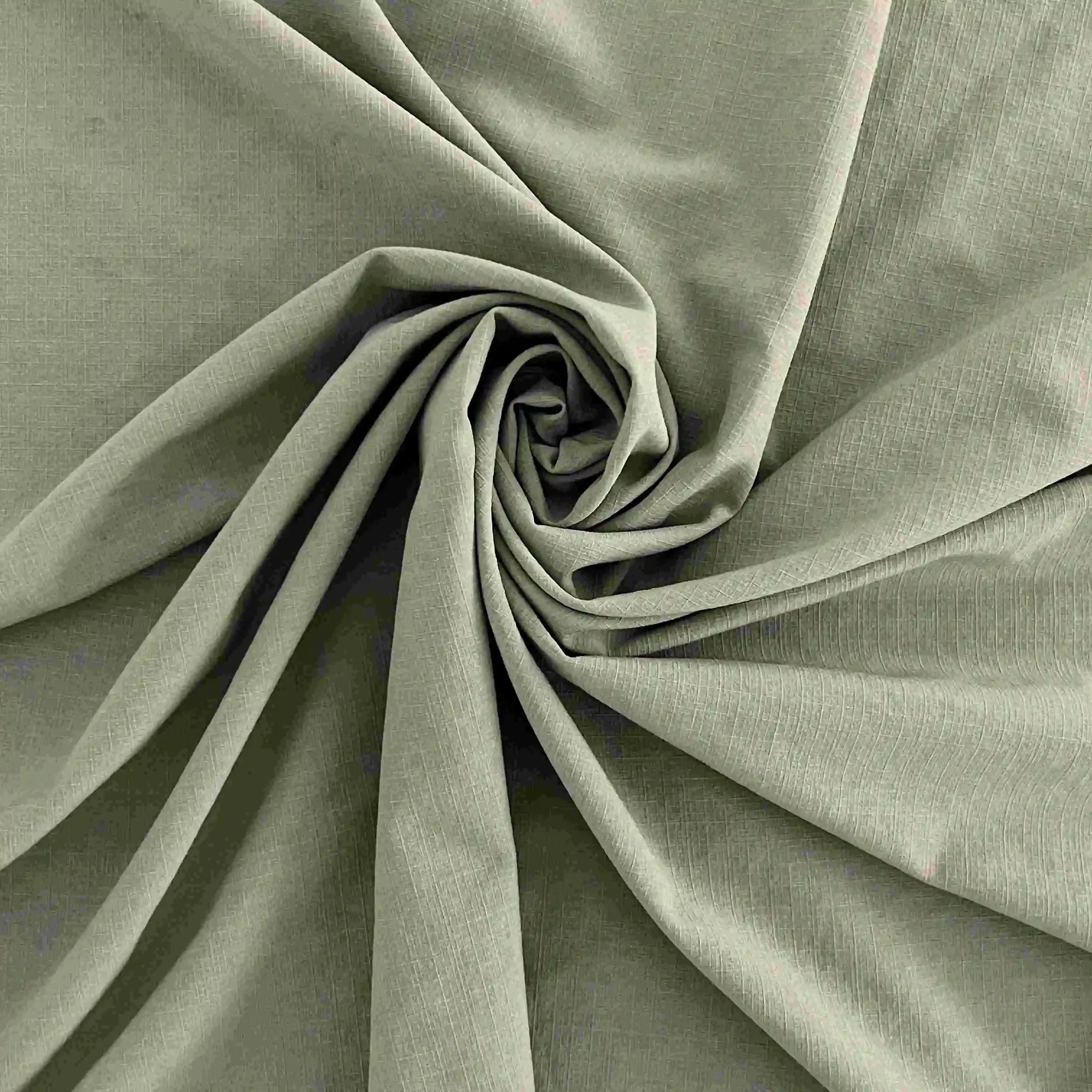
Polyester fabric has revolutionized the textile industry since its introduction in the mid-20th century, becoming one of the most widely used synthetic materials in manufacturing today. This versatile synthetic polymer offers exceptional durability, moisture-wicking properties, and resistance to wrinkles, making it an ideal choice for countless applications across fashion, home textiles, and industrial sectors. Understanding the comprehensive properties of polyester fabric enables manufacturers, designers, and consumers to make informed decisions about its implementation in various projects and product
Chemical Composition and Manufacturing Process
Polymer Structure and Molecular Characteristics
Polyester fabric derives from polyethylene terephthalate (PET), a thermoplastic polymer created through the polymerization of ethylene glycol and terephthalic acid. This chemical structure provides polyester fabric with its distinctive properties including high tensile strength, chemical resistance, and thermal stability. The long-chain molecular structure creates strong intermolecular forces that contribute to the fabric's durability and dimensional stability under various environmental conditions.
The manufacturing process begins with the creation of polyester chips through a condensation reaction at high temperatures. These chips are then melted and extruded through spinnerets to form continuous filaments. The resulting polyester fabric can be produced in various forms including staple fibers, continuous filaments, or microfibers, each offering distinct characteristics suitable for specific applications.
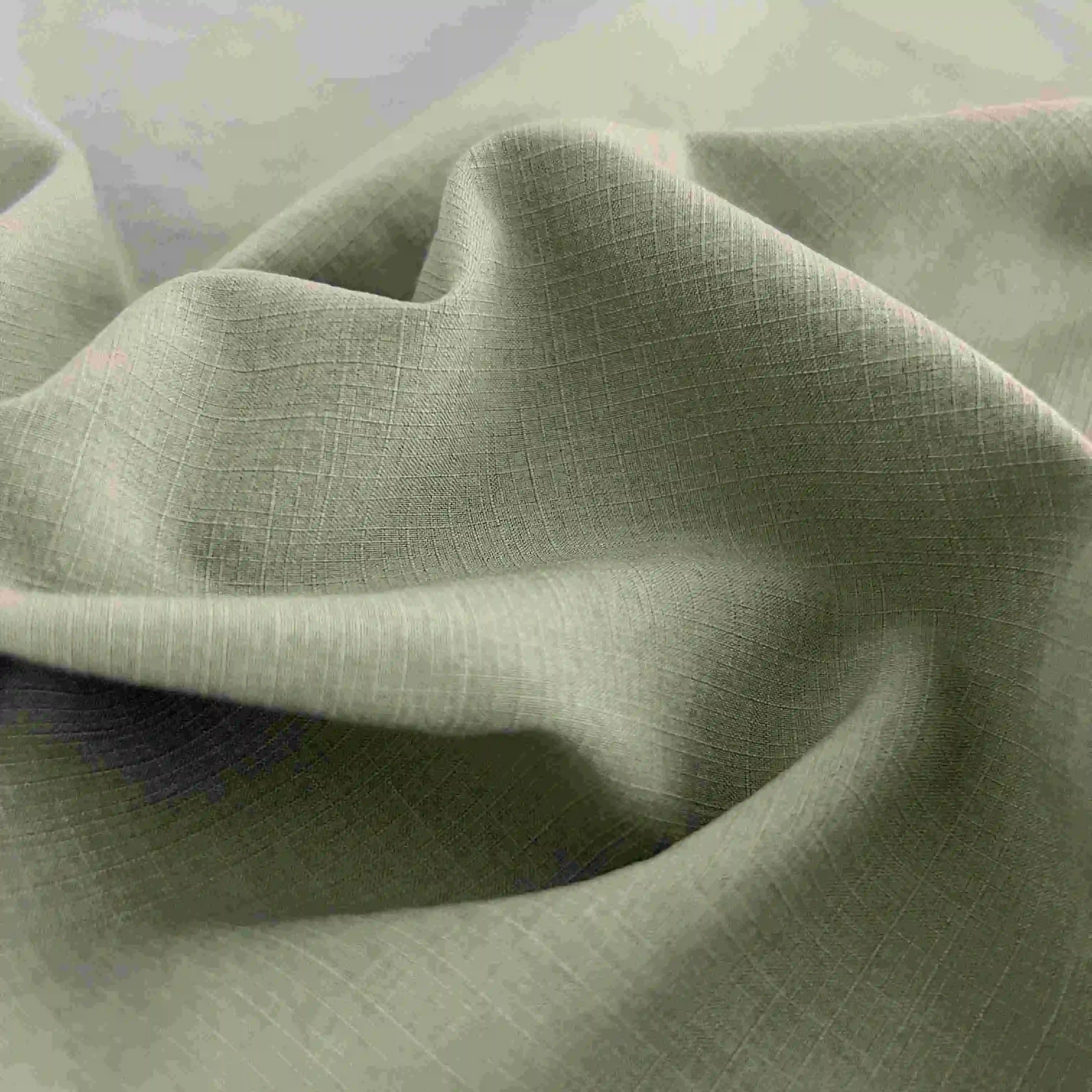
Production Methods and Quality Control
Modern polyester fabric production employs sophisticated spinning techniques including melt spinning, where polymer chips are heated to approximately 280°C and forced through tiny holes to create uniform fibers. The cooling and solidification process determines many final properties of the polyester fabric, including its strength, elasticity, and surface characteristics. Quality control measures throughout production ensure consistent fiber diameter, tensile strength, and chemical purity.
Advanced manufacturing facilities utilize computer-controlled systems to monitor temperature, pressure, and extrusion rates during polyester fabric production. These precise controls enable the creation of specialized variants including high-tenacity fibers, flame-retardant grades, and antimicrobial treatments that expand the applications of polyester fabric across diverse industries.
Physical and Mechanical Properties
Strength and Durability Characteristics
Polyester fabric exhibits exceptional tensile strength, typically ranging from 4.5 to 9.5 grams per denier depending on the specific grade and manufacturing process. This high strength-to-weight ratio makes polyester fabric ideal for applications requiring durability without excessive bulk. The material demonstrates excellent resistance to stretching and maintains its dimensional stability even under repeated stress cycles, contributing to its longevity in various applications.
The abrasion resistance of polyester fabric surpasses many natural fibers, making it suitable for high-wear applications including upholstery, outdoor gear, and industrial textiles. Laboratory tests demonstrate that polyester fabric can withstand thousands of abrasion cycles while maintaining structural integrity, a property that translates to extended product lifecycles and reduced replacement costs in commercial applications.
Thermal and Environmental Resistance
Temperature stability represents a significant advantage of polyester fabric, with most grades maintaining their properties across a wide temperature range from -40°C to 180°C. This thermal stability enables the use of polyester fabric in automotive applications, outdoor equipment, and industrial settings where temperature fluctuations are common. The material's low thermal conductivity also provides insulation benefits in certain applications.
Environmental resistance extends to UV radiation, where specially treated polyester fabric maintains colorfastness and structural integrity even after prolonged sun exposure. Chemical resistance to acids, bases, and organic solvents makes polyester fabric suitable for industrial filtration, protective clothing, and applications where exposure to harsh chemicals is expected.
Moisture Management and Comfort Properties
Hydrophobic Nature and Wicking Capabilities
The inherently hydrophobic nature of polyester fabric provides excellent moisture-wicking properties that transport perspiration away from the skin to the fabric surface where it can evaporate quickly. This characteristic makes polyester fabric particularly valuable in athletic wear, active lifestyle clothing, and performance textiles where moisture management directly impacts user comfort and performance.
Modern polyester fabric often incorporates microfiber technology that enhances wicking capabilities through increased surface area and capillary action. These advanced polyester fabric constructions can move moisture up to three times faster than traditional cotton, providing superior comfort in active applications while maintaining the durability and easy-care properties that define polyester fabric.
Breathability and Air Permeability
While traditional polyester fabric has lower natural breathability compared to some natural fibers, innovative manufacturing techniques have developed highly breathable variants that maintain air circulation without compromising other beneficial properties. Specialized weaving patterns, fiber treatments, and fabric constructions enhance the breathability of polyester fabric for applications requiring both durability and comfort.
The air permeability of polyester fabric can be engineered through various methods including mechanical texturing, chemical treatments, and specialized spinning techniques that create microscopic channels within the fabric structure. These enhancements allow polyester fabric to provide comfort in applications ranging from casual wear to technical outdoor equipment.
Versatility and Application Range
Fashion and Apparel Applications
In the fashion industry, polyester fabric serves as both a standalone material and a blending component that enhances the properties of natural fibers. Pure polyester fabric offers wrinkle resistance, color retention, and easy care properties that appeal to consumers seeking low-maintenance garments. When blended with cotton, wool, or silk, polyester fabric contributes durability and shape retention while natural fibers provide comfort and aesthetic appeal.
Performance apparel represents a growing segment where polyester fabric excels due to its moisture management, quick-drying properties, and ability to maintain shape during repeated washing and wearing. Athletic wear, outdoor gear, and work clothing increasingly rely on specialized polyester fabric formulations that provide specific performance characteristics tailored to end-use requirements.
Industrial and Technical Applications
Industrial applications of polyester fabric span numerous sectors including automotive, aerospace, marine, and construction industries. In automotive applications, polyester fabric serves in seat covers, headliners, carpeting, and insulation components where durability, flame resistance, and dimensional stability are critical performance requirements. The material's resistance to automotive fluids and ability to maintain properties across temperature extremes make it ideal for these demanding applications.
Technical textiles made from polyester fabric include filtration media, geotextiles, and reinforcement materials for composite structures. These applications leverage the chemical resistance, strength, and dimensional stability of polyester fabric while providing cost-effective solutions compared to alternative materials. Marine applications particularly benefit from the UV resistance and low moisture absorption of polyester fabric in sailcloth, awnings, and protective covers.
Care and Maintenance Considerations
Washing and Cleaning Guidelines
The easy-care nature of polyester fabric contributes significantly to its popularity in both consumer and commercial applications. Most polyester fabric can be machine washed in warm water with standard detergents, requiring minimal special care compared to natural fiber alternatives. The synthetic nature of polyester fabric provides resistance to shrinkage, making it suitable for applications where dimensional stability after cleaning is crucial.
Stain resistance represents another advantage of polyester fabric, with most common stains releasing easily during normal washing procedures. Oil-based stains that might permanently damage natural fibers often clean readily from polyester fabric surfaces. This property reduces maintenance costs and extends the useful life of products made from polyester fabric in both residential and commercial settings.
Long-term Performance and Durability
The longevity of polyester fabric under normal use conditions exceeds most natural fiber alternatives, maintaining appearance, strength, and functional properties through hundreds of use and care cycles. This durability translates to reduced replacement costs and lower environmental impact through extended product lifecycles. Proper care and maintenance can further extend the service life of polyester fabric applications.
Color retention in polyester fabric surpasses many alternatives, with dyes bonding strongly to the synthetic polymer structure. This characteristic ensures that products maintain their aesthetic appeal throughout their service life, reducing the need for replacement due to fading or color degradation. The combination of structural durability and color stability makes polyester fabric an economical choice for long-term applications.
FAQ
What makes polyester fabric different from natural fibers in terms of performance
Polyester fabric offers superior durability, wrinkle resistance, and moisture-wicking properties compared to most natural fibers. While natural fibers like cotton and wool provide excellent comfort and breathability, polyester fabric maintains its shape, color, and strength through repeated use and washing cycles. The synthetic structure of polyester fabric also provides resistance to shrinkage, stretching, and most chemical stains that can permanently damage natural fiber materials.
How does the manufacturing process affect polyester fabric quality
The manufacturing process directly impacts the final properties of polyester fabric through control of molecular structure, fiber diameter, and surface characteristics. High-quality production methods using precise temperature and extrusion controls result in polyester fabric with consistent properties, superior strength, and enhanced performance characteristics. Advanced manufacturing techniques can create specialized variants of polyester fabric with enhanced moisture-wicking, antimicrobial, or flame-resistant properties.
Can polyester fabric be recycled and what are the environmental considerations
Polyester fabric can be recycled through both mechanical and chemical processes, converting waste material into new polyester fabric or other products. Modern recycling technologies can process post-consumer polyester fabric into high-quality recycled fibers suitable for various applications. The durability and longevity of polyester fabric also contribute to environmental sustainability by reducing replacement frequency and overall material consumption in many applications.
What factors should be considered when selecting polyester fabric for specific applications
Selection of appropriate polyester fabric requires consideration of intended use, environmental conditions, performance requirements, and aesthetic preferences. Key factors include tensile strength requirements, moisture management needs, UV resistance, chemical exposure, temperature range, and maintenance requirements. Understanding these factors enables optimal selection of polyester fabric grades and treatments that provide the best performance and value for specific applications.
Table of Contents
- Chemical Composition and Manufacturing Process
- Physical and Mechanical Properties
- Moisture Management and Comfort Properties
- Versatility and Application Range
- Care and Maintenance Considerations
-
FAQ
- What makes polyester fabric different from natural fibers in terms of performance
- How does the manufacturing process affect polyester fabric quality
- Can polyester fabric be recycled and what are the environmental considerations
- What factors should be considered when selecting polyester fabric for specific applications