 EN
EN

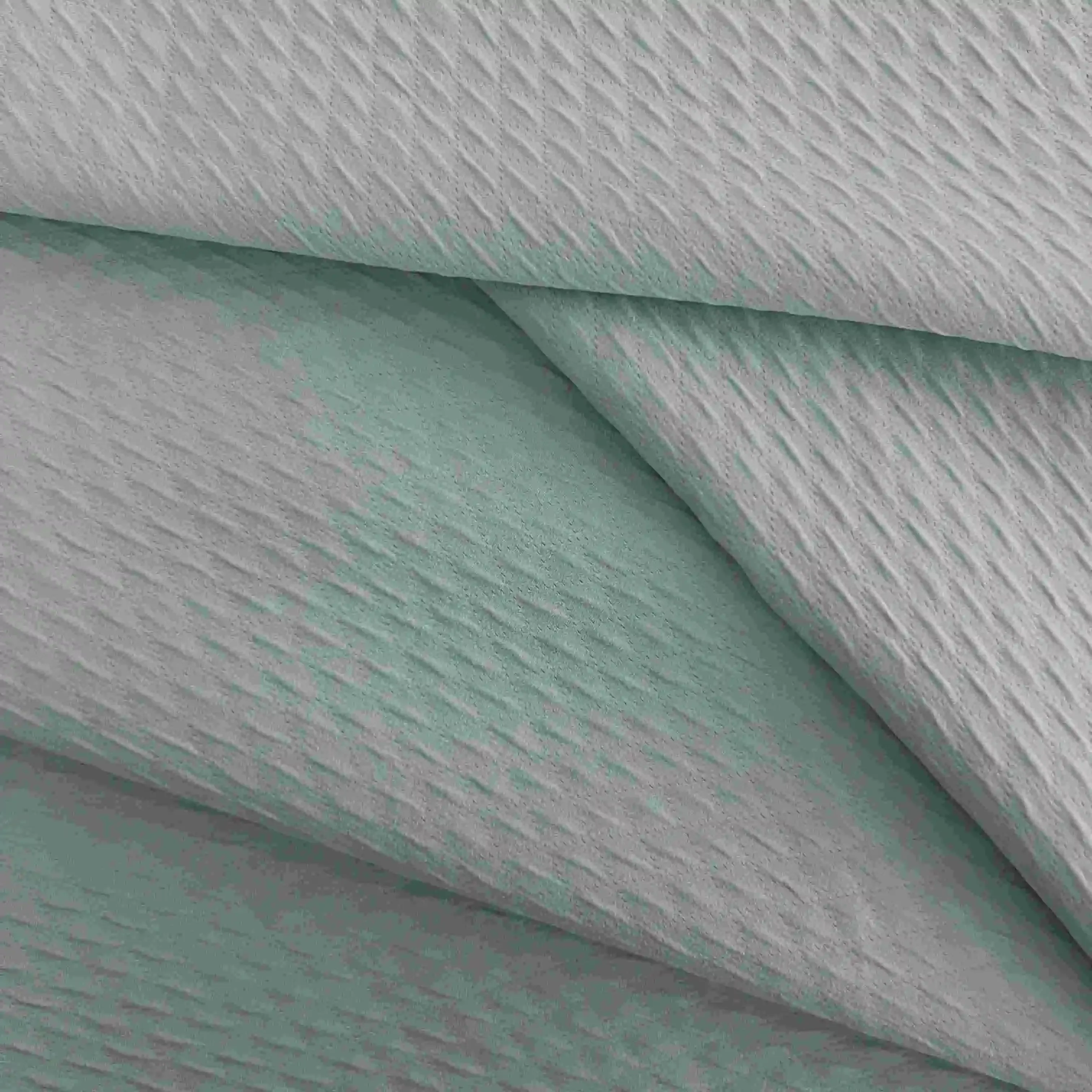
When venturing into nature's most challenging environments, the difference between an exceptional outdoor experience and a miserable one often comes down to the performance of your gear's materials. Outdoor fabrics serve as the critical barrier between you and the elements, determining whether you stay dry during unexpected downpours, comfortable during temperature fluctuations, and protected from harsh winds. The evolution of textile technology has revolutionized how we approach outdoor adventures, with modern synthetic materials offering unprecedented combinations of durability, breathability, and weather resistance that far exceed traditional natural fibers.
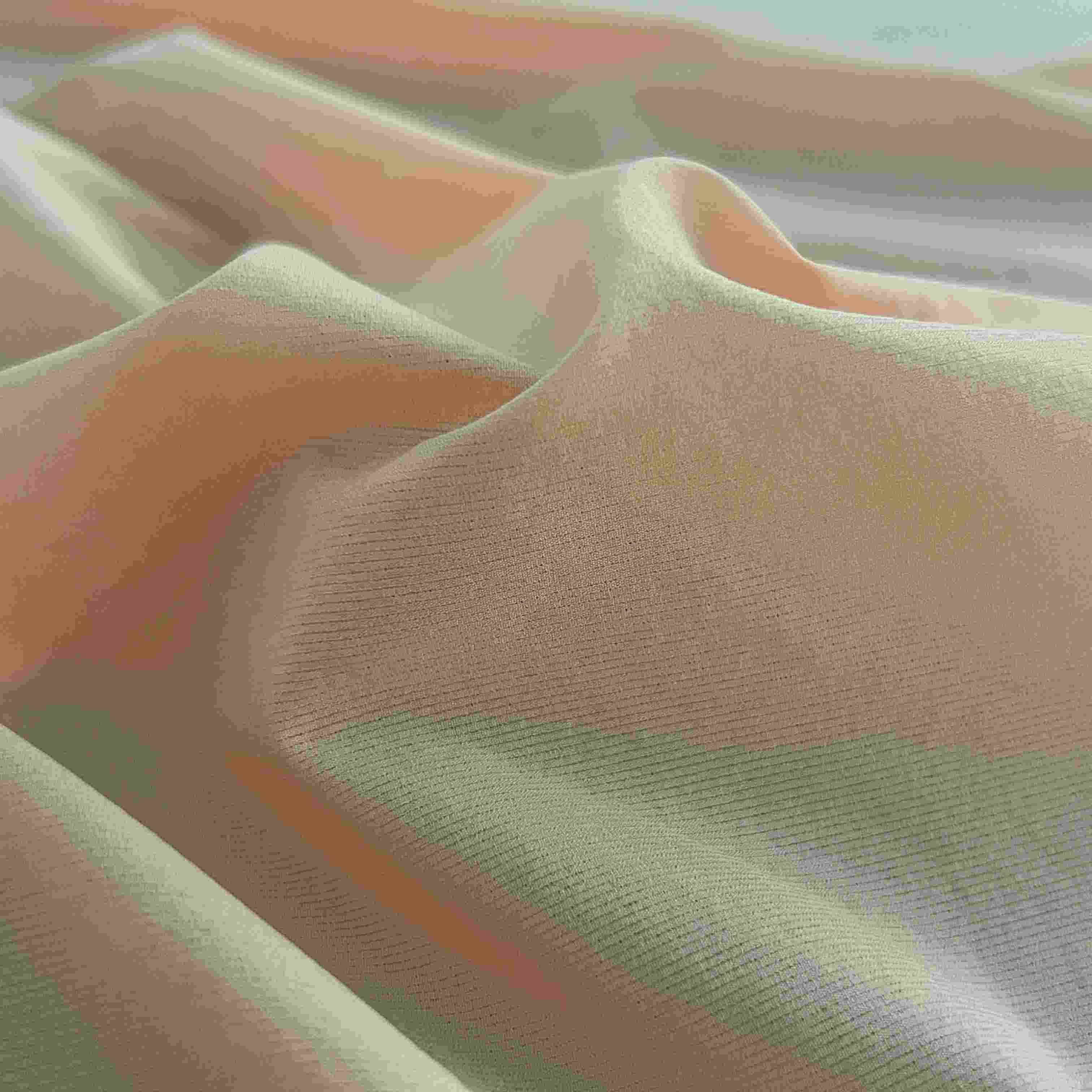
Professional outdoor enthusiasts and weekend adventurers alike understand that selecting the right fabric technology can make or break their experience in challenging conditions. From alpine mountaineering to casual hiking, the performance characteristics of outdoor fabrics directly impact safety, comfort, and overall enjoyment. Modern fabric engineering has created materials that seamlessly balance multiple competing demands, offering solutions that were unimaginable just decades ago.
Understanding Modern Fabric Technology
Synthetic Fiber Innovations
The foundation of contemporary outdoor fabrics lies in advanced synthetic fiber technology that has transformed the industry. Nylon, polyester, and specialized polymer blends now dominate the market due to their superior performance characteristics compared to traditional materials like cotton and wool. These synthetic fibers offer exceptional strength-to-weight ratios, making them ideal for applications where every ounce matters, such as backpacking gear and alpine equipment.
Modern manufacturing processes allow for precise control over fiber properties, enabling the creation of materials with specific performance attributes tailored to different outdoor activities. Advanced spinning techniques produce fibers with varying deniers, allowing manufacturers to optimize fabrics for specific applications ranging from ultralight shelter materials to heavy-duty pack fabrics. The ability to engineer fiber properties at the molecular level has opened new possibilities for creating outdoor fabrics that excel in multiple performance categories simultaneously.
Weave Patterns and Construction Methods
The way fibers are woven together significantly impacts the final performance characteristics of outdoor fabrics. Plain weaves offer maximum durability and tear resistance, making them ideal for high-stress applications like backpack bottoms and tent floors. Ripstop weaves incorporate heavier reinforcement threads at regular intervals, creating a grid pattern that prevents small tears from propagating across the fabric surface.
Innovative construction methods like lamination and bonding have enabled the creation of multi-layer fabric systems that combine different materials to achieve optimal performance. These techniques allow manufacturers to pair a durable outer face fabric with waterproof membranes and soft inner linings, creating comprehensive protection systems. Advanced knitting technologies have also emerged, producing stretch fabrics that maintain their performance characteristics while offering enhanced mobility and comfort for active outdoor pursuits.
Essential Performance Characteristics
Weather Protection and Waterproofing
Effective weather protection represents one of the most critical functions of outdoor fabrics, with waterproofing technology serving as the cornerstone of reliable outdoor gear. Modern waterproof membranes utilize microscopic pore structures that allow water vapor to escape while preventing liquid water penetration. This breathable waterproofing technology has revolutionized outdoor clothing and shelter systems by eliminating the condensation problems that plagued earlier waterproof materials.
The development of durable water repellent treatments has enhanced the weather protection capabilities of outdoor fabrics by causing water to bead up and roll off the surface rather than soaking into the material. These treatments work synergistically with waterproof membranes to maintain fabric performance over extended periods of use. Advanced coating technologies have also produced highly effective waterproof barriers that maintain flexibility and durability under extreme conditions.
Breathability and Moisture Management
Managing moisture transfer is essential for maintaining comfort during active outdoor pursuits, making breathability a crucial characteristic of high-performance outdoor fabrics. Effective moisture management systems move perspiration away from the skin through capillary action and evaporation, preventing the accumulation of moisture that can lead to discomfort and hypothermia in cold conditions.
Modern outdoor fabrics achieve superior breathability through various mechanisms, including microporous membranes, hydrophilic coatings, and specially engineered fiber structures. These technologies work together to create a gradient that drives moisture from high-concentration areas near the skin to lower-concentration areas in the external environment. The balance between waterproofing and breathability represents one of the most significant engineering challenges in outdoor fabric development, with manufacturers continuously refining their approaches to optimize both characteristics.
Durability and Longevity Factors
Abrasion Resistance and Tear Strength
The harsh environments encountered during outdoor activities subject fabrics to significant mechanical stresses that can quickly degrade inferior materials. Abrasion resistance determines how well outdoor fabrics withstand repeated contact with rough surfaces like rock, tree bark, and gear components. High-quality materials maintain their integrity even after extensive exposure to abrading forces, ensuring reliable long-term performance.
Tear strength represents another critical durability factor, measuring a fabric's ability to resist the propagation of damage once a small puncture or cut occurs. Advanced fiber arrangements and weave patterns distribute stress across larger areas, preventing small damages from becoming catastrophic failures. The combination of high abrasion resistance and excellent tear strength ensures that outdoor fabrics can withstand the rigors of extended use in challenging environments.
UV Stability and Color Retention
Extended exposure to ultraviolet radiation can significantly degrade outdoor fabrics, breaking down polymer chains and causing materials to become brittle and weak. Modern outdoor fabrics incorporate UV stabilizers and specially formulated dyes that resist photodegradation, maintaining their strength and appearance over years of sun exposure. This UV resistance is particularly important for equipment like tents and tarps that spend extended periods in direct sunlight.
Color retention technology ensures that outdoor fabrics maintain their appearance and visibility characteristics throughout their service life. Fade-resistant dyes and advanced coloring processes prevent the unsightly degradation that can affect both aesthetics and functionality. High-visibility colors used in safety applications must maintain their brightness to ensure continued effectiveness in emergency situations.
Specialized Applications and Use Cases
Alpine and Extreme Environment Materials
Extreme alpine environments demand outdoor fabrics that can perform reliably in conditions that would destroy conventional materials. These specialized fabrics must withstand hurricane-force winds, extreme temperature variations, intense UV radiation at high altitudes, and abrasion from ice and rock. Advanced material engineering has produced fabrics specifically designed for these demanding applications, incorporating features like enhanced tear resistance and extreme weather protection.
Mountaineering and alpine climbing applications require outdoor fabrics that maintain flexibility at extremely low temperatures while providing maximum protection against wind and precipitation. Specialized treatments prevent ice buildup and maintain fabric performance in conditions where equipment failure can have life-threatening consequences. The development of these extreme-environment materials has pushed the boundaries of textile technology and benefited all categories of outdoor gear.
Backpacking and Lightweight Applications
The ultralight backpacking movement has driven the development of outdoor fabrics that maximize performance while minimizing weight. These materials achieve remarkable strength-to-weight ratios through advanced fiber technology and optimized construction methods. Lightweight outdoor fabrics enable adventurers to carry comprehensive protection systems without the weight penalties associated with traditional materials.
Packability represents another crucial factor in backpacking applications, with outdoor fabrics needing to compress to minimal volumes while recovering their full performance characteristics when deployed. Advanced synthetic materials maintain their loft and protective properties even after extended compression, ensuring reliable performance throughout multi-day adventures. The balance between weight, packability, and performance continues to drive innovation in outdoor fabric technology.
Care and Maintenance Best Practices
Cleaning and Treatment Protocols
Proper care and maintenance significantly extend the service life of outdoor fabrics while maintaining their performance characteristics. Regular cleaning removes contaminants that can degrade fabric treatments and compromise performance. Specialized detergents designed for technical outdoor fabrics clean effectively without damaging waterproof membranes or durable water repellent treatments.
Periodic retreatment with appropriate products restores the water repellency and breathability of outdoor fabrics after extended use. These maintenance procedures should follow manufacturer recommendations to avoid damaging specialized coatings or membranes. Proper storage in clean, dry conditions prevents mold and mildew growth that can permanently damage fabric performance.
Repair and Restoration Techniques
Field repair capabilities are essential for maintaining the functionality of outdoor fabrics during extended adventures. Modern repair materials and techniques enable effective temporary and permanent repairs that restore fabric integrity and performance. Adhesive patches, seam sealers, and specialized repair tapes can address most common types of fabric damage encountered in outdoor environments.
Understanding proper repair techniques helps outdoor enthusiasts maintain their gear investment while ensuring continued safety and performance. Professional repair services can address more complex damage and restore outdoor fabrics to like-new condition. The ability to effectively maintain and repair outdoor fabrics represents an important skill for serious outdoor enthusiasts who depend on their gear in challenging conditions.
FAQ
What makes synthetic outdoor fabrics superior to natural materials for outdoor use
Synthetic outdoor fabrics offer significant advantages over natural materials in most outdoor applications due to their engineered performance characteristics. Unlike natural fibers, synthetic materials maintain their insulation and structural properties when wet, dry quickly, and resist degradation from UV exposure and repeated use. They also offer superior strength-to-weight ratios and can be precisely engineered to meet specific performance requirements that natural materials cannot match.
How do I choose the right outdoor fabric for my specific activity
Selecting appropriate outdoor fabrics requires matching material characteristics to your activity's specific demands and environmental conditions. Consider factors like weather exposure, activity intensity, weight restrictions, and durability requirements. For high-output activities, prioritize breathability and moisture management, while static activities in harsh weather emphasize waterproofing and wind resistance. Consulting with experienced outdoor retailers can help identify fabrics optimized for your specific use case.
How long can I expect high-quality outdoor fabrics to maintain their performance
Well-maintained outdoor fabrics from reputable manufacturers typically provide reliable performance for many years of regular use. The lifespan depends on usage intensity, care practices, and environmental exposure, but quality materials often maintain effective performance for 5-10 years or more with proper maintenance. Regular cleaning, appropriate storage, and periodic retreatment with DWR coatings significantly extend fabric service life and maintain optimal performance characteristics.
Can damaged outdoor fabrics be effectively repaired to restore full performance
Most types of fabric damage can be effectively repaired using appropriate techniques and materials, often restoring near-original performance levels. Small punctures, tears, and seam failures typically respond well to field repairs using patches, sealers, and specialized tapes. More extensive damage may require professional repair services, but even significant damage can often be addressed effectively. The key is addressing damage promptly before it propagates and becomes more difficult to repair successfully.
Table of Contents
- Understanding Modern Fabric Technology
- Essential Performance Characteristics
- Durability and Longevity Factors
- Specialized Applications and Use Cases
- Care and Maintenance Best Practices
-
FAQ
- What makes synthetic outdoor fabrics superior to natural materials for outdoor use
- How do I choose the right outdoor fabric for my specific activity
- How long can I expect high-quality outdoor fabrics to maintain their performance
- Can damaged outdoor fabrics be effectively repaired to restore full performance