 EN
EN

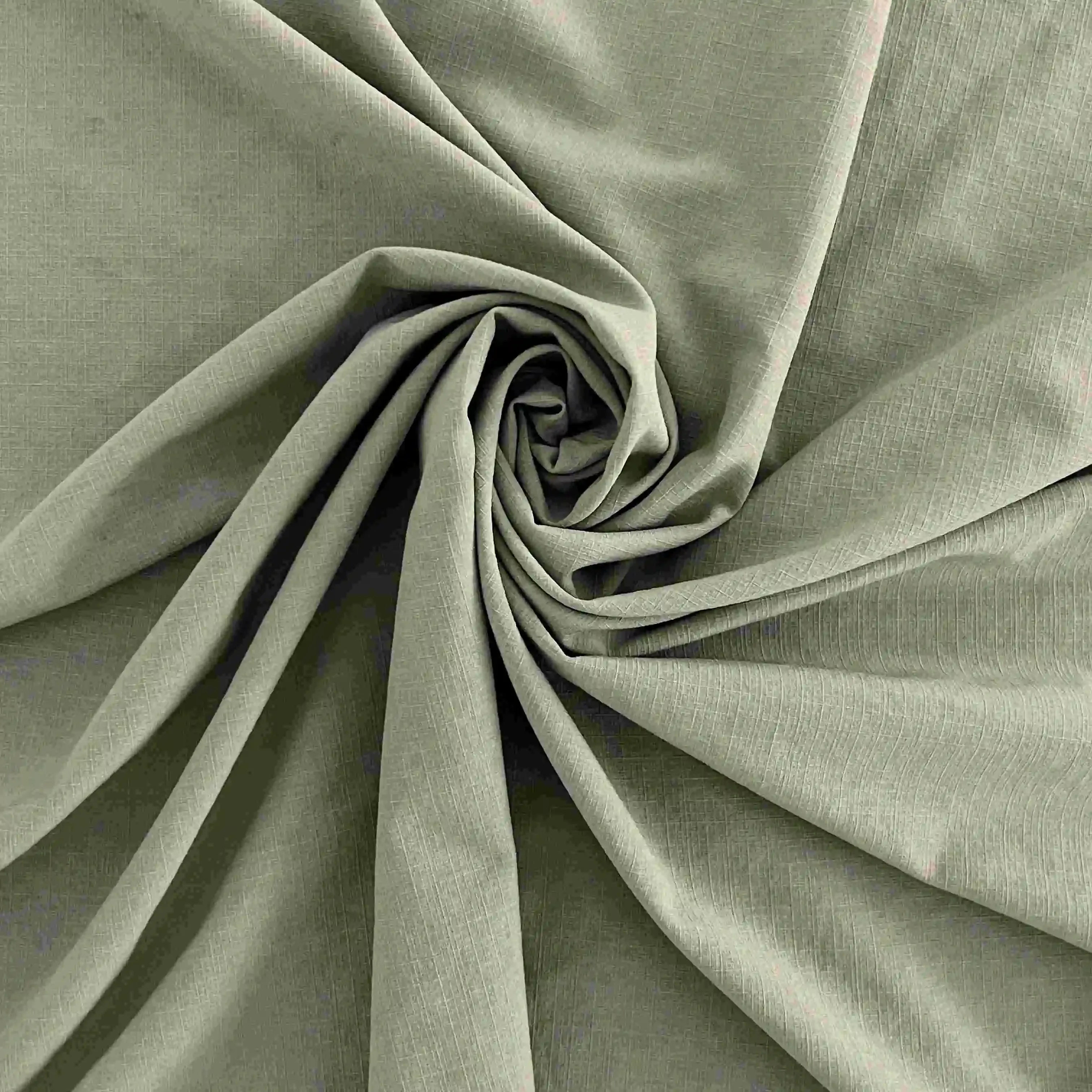
When embarking on outdoor adventures, selecting the right gear can make the difference between an unforgettable experience and a challenging ordeal. Among all equipment considerations, outdoor fabrics play a crucial role in determining comfort, protection, and performance across various environmental conditions. From mountaineering expeditions to casual hiking trips, understanding fabric technologies and their applications ensures adventurers stay dry, comfortable, and safe throughout their journeys. The evolution of synthetic materials and advanced textile engineering has revolutionized how we approach outdoor gear selection, offering unprecedented levels of functionality and durability.
Understanding Modern Outdoor Fabric Technologies
Synthetic Material Innovations
Contemporary outdoor fabrics leverage cutting-edge synthetic fibers that outperform traditional natural materials in numerous applications. Polyester-based textiles offer exceptional moisture-wicking properties, ensuring perspiration moves away from skin surfaces rapidly during intense physical activities. Advanced polyamide constructions provide superior abrasion resistance, making them ideal for equipment subjected to rough terrain contact. These synthetic innovations incorporate molecular-level engineering that creates microscopic structures optimized for specific performance characteristics.
Manufacturers continuously develop proprietary fiber blends that combine multiple synthetic materials to achieve desired performance profiles. These hybrid constructions might integrate polyester for moisture management, nylon for durability, and specialized additives for antimicrobial properties. The result produces outdoor fabrics that excel across multiple performance categories simultaneously, eliminating traditional trade-offs between different functional requirements.
Membrane Technology Integration
Waterproof breathable membranes represent perhaps the most significant advancement in outdoor fabric technology over recent decades. These ultra-thin polymer layers feature microscopic pores that allow water vapor molecules to pass through while preventing liquid water penetration. The engineering precision required creates membranes with pore sizes approximately 20,000 times smaller than water droplets yet 700 times larger than water vapor molecules.
Different membrane technologies offer varying performance characteristics suited to specific outdoor activities. Some prioritize maximum breathability for high-exertion activities, while others emphasize complete waterproof protection for extreme weather conditions. Understanding these distinctions helps adventurers select appropriate gear for their specific requirements and expected environmental challenges.
Performance Characteristics for Different Activities
High-Intensity Adventure Requirements
Activities involving significant physical exertion demand outdoor fabrics with exceptional moisture management capabilities. Trail running, alpine climbing, and backcountry skiing generate substantial heat and perspiration that must be efficiently transferred away from the body. Fabrics designed for these applications typically feature open-weave constructions or specialized knit patterns that maximize airflow and vapor transmission rates.
Temperature regulation becomes critical during high-intensity activities where internal heat generation can quickly lead to overheating if moisture accumulates against the skin. Modern synthetic materials address this challenge through engineered fiber shapes that create capillary action, actively pulling moisture away from skin surfaces and distributing it across larger fabric areas for rapid evaporation.
Weather Protection Applications
Extreme weather conditions require outdoor fabrics that prioritize protective properties over maximum breathability. Storm shells, expedition parkas, and emergency shelters utilize materials optimized for complete weather sealing while maintaining adequate vapor transmission for comfort. These applications often employ multiple fabric layers with different functional responsibilities within integrated systems.
Wind resistance becomes particularly important at high altitudes or in exposed terrain where convective heat loss can rapidly lead to hypothermia. Outdoor fabrics designed for wind protection feature tight weave patterns and specialized coatings that eliminate air permeability while maintaining flexibility for unrestricted movement.
Durability and Longevity Considerations
Abrasion Resistance Properties
Outdoor equipment faces constant mechanical stress from contact with rocks, vegetation, and abrasive surfaces during typical use. Fabric durability depends largely on fiber choice, weave density, and surface treatments applied during manufacturing. High-denier nylon constructions offer exceptional tear strength and puncture resistance, making them suitable for backpack fabrics and equipment subjected to heavy use.
Ripstop weave patterns integrate heavier reinforcement threads at regular intervals, preventing small tears from propagating into larger failures. This construction technique allows manufacturers to use lighter base fabrics while maintaining structural integrity, creating an optimal balance between weight savings and durability for weight-conscious adventurers.
UV Degradation Protection
Extended exposure to ultraviolet radiation gradually breaks down polymer chains in synthetic outdoor fabrics, leading to reduced tensile strength and eventual failure. Mountain environments present particularly challenging UV exposure due to increased radiation intensity at altitude and reflection from snow surfaces. Quality outdoor fabrics incorporate UV stabilizers during manufacturing that significantly extend service life under harsh conditions.
Solution-dyed fibers offer superior color retention and UV resistance compared to piece-dyed alternatives, as colorants are integrated during fiber extrusion rather than applied as surface treatments. This construction method ensures color stability and reduces UV-induced degradation throughout the fabric structure, maintaining both appearance and performance characteristics over extended use periods.
Specialized Fabric Applications
Insulation Layer Technologies
Insulating outdoor fabrics work by trapping air within their structure to create thermal barriers that reduce heat transfer. Down insulation offers exceptional warmth-to-weight ratios but loses insulating properties when wet, making synthetic alternatives preferable for humid conditions. Modern synthetic insulations use specialized fiber architectures that mimic down's loft characteristics while maintaining performance in wet conditions.
Continuous filament insulations create consistent loft distribution without the cold spots that can develop in staple fiber constructions. These advanced insulation technologies maintain thermal performance even after repeated compression cycles, ensuring reliable warmth throughout extended outdoor adventures where equipment may be packed and unpacked frequently.
Base Layer Comfort Systems
Next-to-skin outdoor fabrics require careful attention to comfort factors including texture, seam construction, and moisture management properties. Merino wool blends combine natural odor resistance with excellent temperature regulation, making them popular for multi-day adventures where washing opportunities are limited. Synthetic base layers offer faster drying times and greater durability at lower costs.
Fabric surface treatments can significantly impact comfort levels during extended wear. Smooth-face constructions reduce friction against skin, while textured surfaces may provide enhanced moisture wicking through increased surface area. Understanding these subtle differences helps adventurers select base layers optimized for their specific comfort preferences and activity requirements.
Environmental Impact and Sustainability
Recycled Material Integration
Growing environmental awareness has driven outdoor fabric manufacturers to incorporate recycled materials into new product lines without compromising performance standards. Post-consumer plastic bottles provide raw materials for polyester fibers, diverting waste from landfills while creating high-performance outdoor fabrics. These recycled polyester constructions often match or exceed virgin material performance in key categories.
Closed-loop recycling systems allow manufacturers to reclaim worn-out outdoor gear and process it into new fabric materials, creating circular economy models within the outdoor industry. This approach reduces reliance on virgin petroleum-based raw materials while maintaining the technical performance characteristics that outdoor enthusiasts demand from their equipment.
Chemical Treatment Alternatives
Traditional water-repellent treatments relied on perfluorinated compounds that persist in environmental systems and accumulate in biological organisms. Modern outdoor fabrics increasingly utilize alternative chemistries that provide effective water repellency without environmental persistence concerns. These new treatments may require more frequent reapplication but offer improved environmental compatibility.
Bio-based water repellent systems derived from natural waxes and plant-based polymers represent emerging alternatives that maintain performance while reducing environmental impact. While these treatments may not yet match the durability of synthetic alternatives, continued development promises improved performance characteristics that could eventually replace conventional chemical systems entirely.
Care and Maintenance Strategies
Cleaning and Washing Protocols
Proper care extends the service life of outdoor fabrics significantly, making maintenance knowledge essential for adventurers investing in quality gear. Different fabric technologies require specific washing procedures to maintain performance characteristics and prevent premature degradation. Waterproof breathable materials often benefit from periodic heat activation that restores water repellency properties.
Detergent selection impacts fabric performance, as residual soaps can interfere with moisture-wicking properties and membrane function. Technical wash products designed specifically for outdoor fabrics clean effectively without leaving performance-degrading residues. Understanding appropriate washing temperatures, cycle settings, and drying methods helps maintain fabric integrity throughout extended use cycles.
Field Repair Techniques
Remote outdoor environments require adventurers to perform emergency repairs on damaged outdoor fabrics using limited resources. Adhesive patches, seam sealing tapes, and temporary repair methods can restore basic functionality until professional repairs are possible. Quality outdoor fabrics often include repair kits or patches that match fabric characteristics and adhesion requirements.
Prevention strategies reduce the likelihood of field damage requiring emergency repairs. Proper packing techniques, route selection awareness, and equipment handling practices minimize fabric stress and abrasion exposure. Understanding fabric limitations and appropriate use parameters helps adventurers avoid situations that exceed material capabilities and potentially compromise safety.
FAQ
How do I choose between natural and synthetic outdoor fabrics
The choice between natural and synthetic outdoor fabrics depends on your specific activity requirements and personal preferences. Synthetic materials generally offer superior moisture management, faster drying times, and better durability at lower costs. Natural fibers like merino wool provide excellent odor resistance and temperature regulation but may be heavier and more expensive. Consider your activity intensity, expected weather conditions, and maintenance preferences when making this decision.
What makes waterproof breathable fabrics different from regular waterproof materials
Waterproof breathable outdoor fabrics incorporate microscopic membrane technologies that allow water vapor to pass through while blocking liquid water penetration. Regular waterproof materials create complete barriers that trap moisture inside, leading to condensation buildup and discomfort during physical activities. The breathable properties of advanced outdoor fabrics maintain comfort by allowing perspiration to escape while providing weather protection.
How often should I reapply water repellent treatments to my outdoor gear
Water repellent treatment frequency depends on usage intensity, environmental conditions, and fabric quality. Most outdoor fabrics benefit from treatment reapplication every 20-30 wash cycles or when you notice water no longer beads on the surface. Heavy use in dusty or contaminated environments may require more frequent treatment, while occasional use might extend treatment intervals. Always follow manufacturer recommendations for your specific outdoor fabrics and equipment.
Can damaged outdoor fabrics be professionally repaired or should I replace them
Many outdoor fabric damages can be professionally repaired, making replacement unnecessary in most cases. Small tears, worn seam sealing, and zipper failures are commonly repairable by qualified technicians. However, extensive damage, membrane delamination, or severe UV degradation may make replacement more cost-effective than repair. Consult with outdoor gear repair specialists to evaluate whether your specific outdoor fabrics are suitable candidates for professional restoration services.