 EN
EN

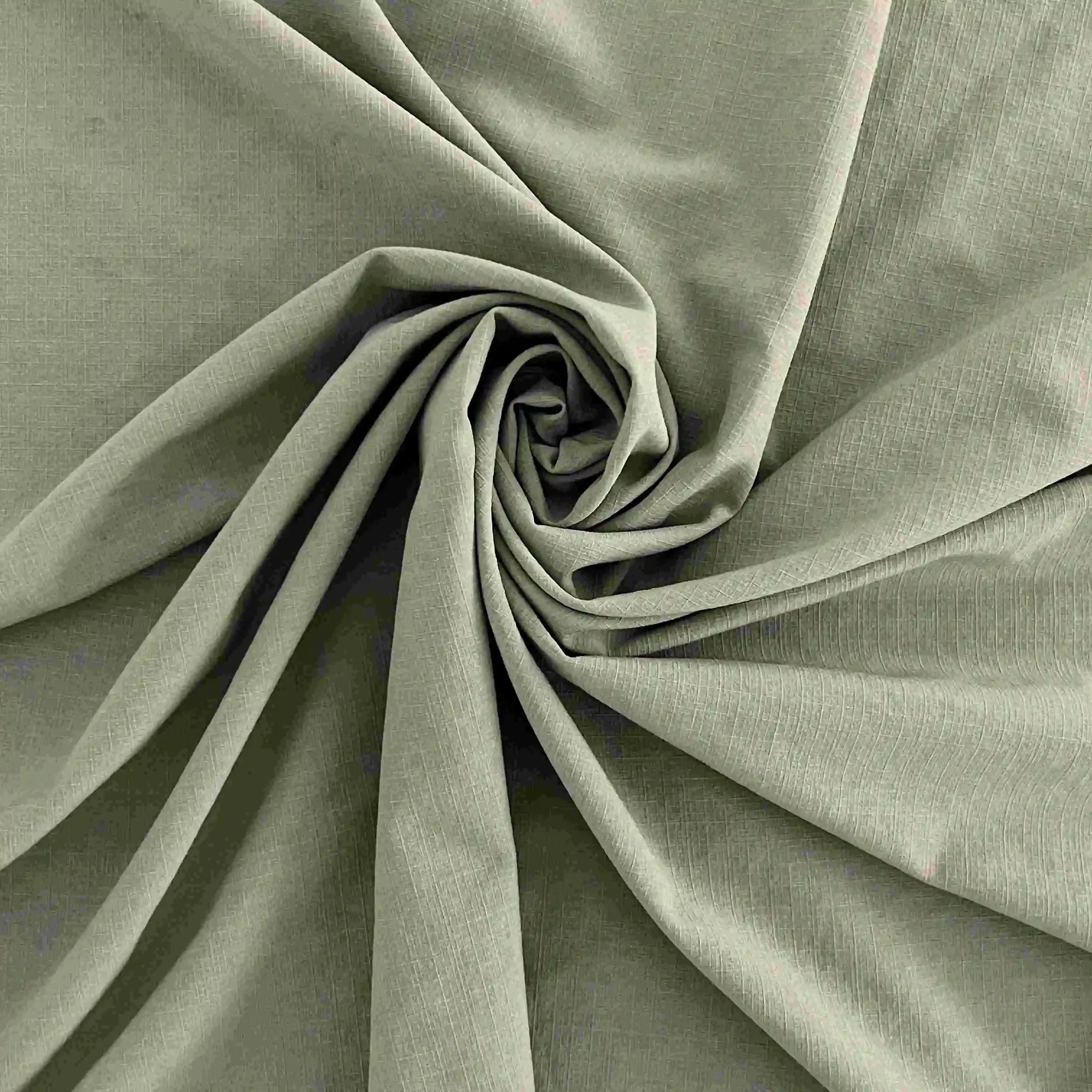
Polyester fabric has become an integral part of modern life, transforming from a simple synthetic material into one of the most versatile textiles in the world. This remarkable material offers exceptional durability, affordability, and adaptability that makes it suitable for countless applications across various industries. From the clothes we wear to the furniture we sit on, polyester fabric continues to revolutionize how we experience comfort and functionality in our daily routines. Understanding the widespread uses of this synthetic wonder helps consumers make informed decisions about their textile choices while appreciating the innovation behind this ubiquitous material.
Fashion and Apparel Applications
Athletic and Activewear
The athletic wear industry has embraced polyester fabric as a cornerstone material for performance clothing. This synthetic textile excels in moisture-wicking applications, drawing perspiration away from the skin to keep athletes comfortable during intense physical activities. Professional sports teams, fitness enthusiasts, and casual exercisers all benefit from polyester's quick-drying properties and exceptional stretch recovery. The material maintains its shape even after repeated washing cycles, making it ideal for workout clothes that endure frequent use.
Modern polyester fabric formulations include advanced technologies like antimicrobial treatments and UV protection, enhancing the functionality of athletic garments. Running shirts, yoga pants, cycling shorts, and compression wear all utilize polyester's lightweight yet durable characteristics. The fabric's ability to retain vibrant colors even after extensive washing makes it perfect for team uniforms and branded athletic apparel that needs to maintain its appearance over time.
Everyday Casual Wear
Beyond athletic applications, polyester fabric has found its way into mainstream fashion through blended materials and innovative weaving techniques. T-shirts, polo shirts, and casual dresses often incorporate polyester to reduce wrinkles and improve durability while maintaining comfort. The material's resistance to shrinking makes it particularly valuable for garments that need consistent sizing after multiple wash cycles. Fashion designers appreciate polyester's ability to hold pleats, maintain crisp lines, and provide structure to flowing garments.
The versatility of polyester fabric extends to seasonal clothing, where its insulation properties can be adjusted through different fiber densities and weaving patterns. Winter jackets often feature polyester insulation, while summer garments benefit from lightweight polyester blends that promote air circulation. This adaptability has made polyester a go-to material for fashion brands seeking reliable, cost-effective solutions for diverse clothing lines.
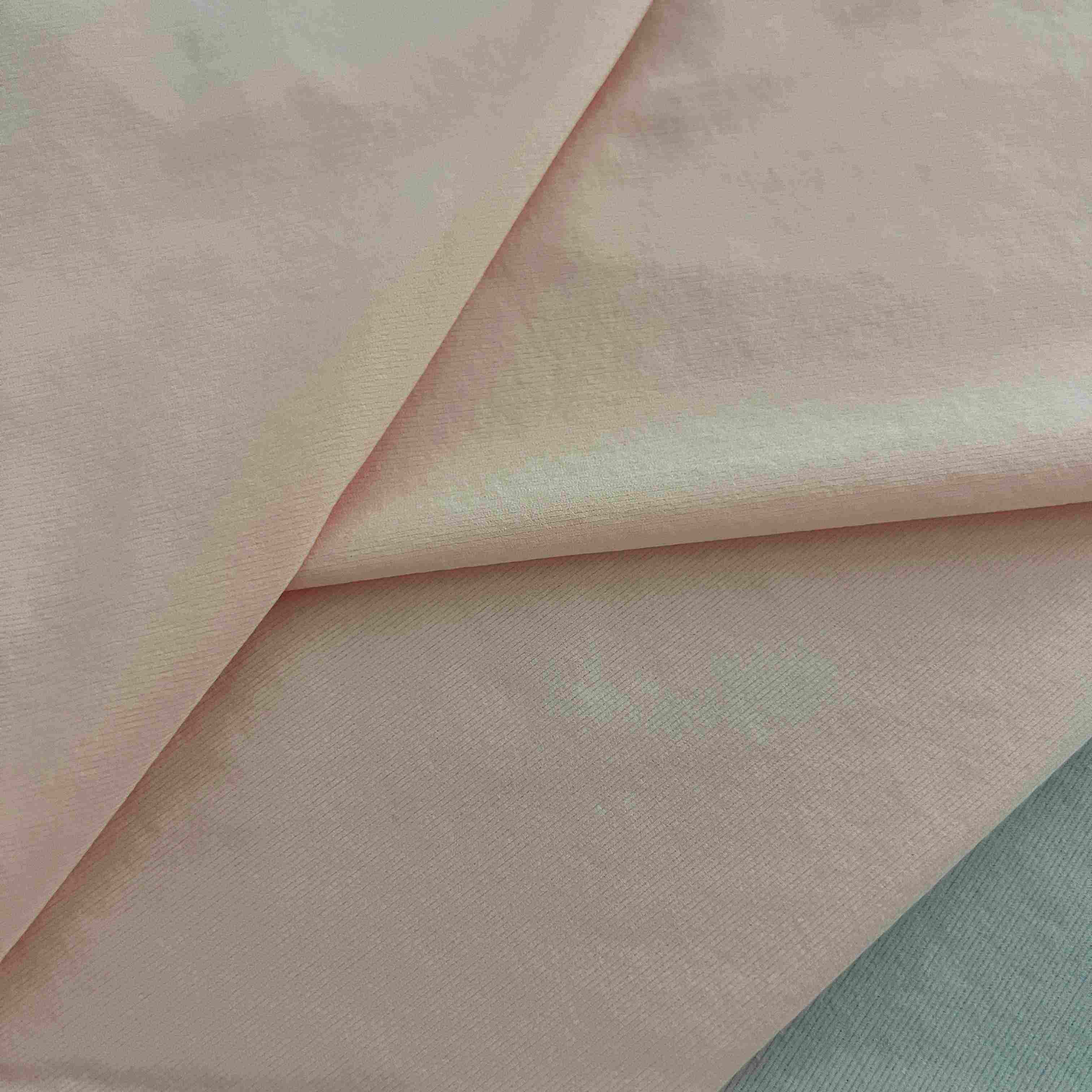
Home Textiles and Interior Design
Bedding and Linens
The home textile industry relies heavily on polyester fabric for creating comfortable, durable bedding solutions. Sheets, pillowcases, and comforters made from polyester offer exceptional wrinkle resistance and easy care maintenance that busy households appreciate. Unlike natural fibers that may require special washing conditions, polyester bedding can withstand frequent washing at various temperatures without losing its integrity or softness. The material's hypoallergenic properties make it suitable for individuals with sensitive skin or allergies to natural fibers.
Modern polyester fabric technologies have produced microfiber variants that rival the softness of cotton while providing superior durability. These advanced polyester bedding materials resist fading, maintain their color vibrancy, and offer consistent comfort across different seasons. The quick-drying nature of polyester sheets makes them particularly valuable for guest bedrooms, vacation homes, and households with children where frequent washing is necessary.
Curtains and Window Treatments
Window treatments represent another significant application area for polyester fabric in residential and commercial settings. Curtains made from polyester resist fading from prolonged sun exposure, maintaining their decorative appeal for years without replacement. The material's ability to hold crisp pleats and structured designs makes it ideal for formal drapery applications in offices, hotels, and upscale residences. Polyester's moisture resistance also makes it suitable for bathroom and kitchen window treatments where humidity levels fluctuate.
The versatility of polyester fabric allows manufacturers to create window treatments with specialized properties such as blackout capabilities, thermal insulation, or sound absorption. These functional enhancements make polyester curtains valuable for bedrooms, home theaters, and commercial spaces where environmental control is important. The ease of cleaning polyester window treatments appeals to property managers and homeowners who need low-maintenance solutions for large installations.
Industrial and Commercial Applications
Automotive Industry Uses
The automotive sector has extensively adopted polyester fabric for various interior applications, taking advantage of its durability and resistance to wear. Car seat covers, floor mats, and interior panels often incorporate polyester materials that can withstand the harsh conditions inside vehicles. The fabric's resistance to UV radiation helps prevent cracking and fading in automotive interiors exposed to intense sunlight. Additionally, polyester's flame-resistant properties contribute to vehicle safety standards while maintaining comfort for passengers.
Advanced polyester fabric formulations used in automotive applications include specialized coatings that repel stains, resist odors, and provide easy cleaning capabilities. These enhanced materials are particularly valuable for commercial vehicles, taxis, and rental cars that experience heavy use and require frequent maintenance. The cost-effectiveness of polyester compared to leather or other premium materials makes it an attractive option for manufacturers seeking to balance quality with affordability in mass-produced vehicles.
Medical and Healthcare Textiles
Healthcare facilities depend on polyester fabric for numerous applications where hygiene, durability, and easy sterilization are critical requirements. Hospital gowns, bed linens, and privacy curtains made from polyester can withstand frequent washing at high temperatures with harsh detergents and disinfectants. The material's quick-drying properties reduce turnaround times for laundering, which is essential for maintaining adequate supplies in busy medical facilities. Polyester's resistance to bacteria and mold growth makes it suitable for environments where infection control is paramount.
Specialized medical-grade polyester fabric incorporates antimicrobial treatments and fluid-resistant coatings that enhance safety for both patients and healthcare workers. Surgical drapes, protective clothing, and wound care products utilize polyester's barrier properties to prevent contamination while maintaining comfort and flexibility. The consistent performance of polyester fabric under sterilization procedures ensures that medical textiles maintain their integrity and protective qualities throughout multiple use cycles.
Outdoor and Recreational Equipment
Camping and Adventure Gear
Outdoor enthusiasts rely on polyester fabric for camping equipment and adventure gear that must perform reliably in challenging environmental conditions. Tents, sleeping bags, and backpacks utilize polyester's water-resistant properties and lightweight characteristics to provide protection without adding excessive bulk to portable equipment. The material's ability to maintain insulation properties even when damp makes it valuable for sleeping systems used in humid or wet conditions. Polyester's resistance to mildew and rot ensures that camping gear remains functional even after exposure to moisture and extended storage periods.
Modern outdoor polyester fabric incorporates advanced technologies such as ripstop weaving patterns that prevent tears from spreading, extending the lifespan of expensive outdoor equipment. The material's colorfastness ensures that tents and gear maintain their visibility and aesthetic appeal even after prolonged exposure to UV radiation and harsh weather conditions. For serious adventurers, the reliability and performance consistency of polyester fabric can be critical factors in equipment selection for remote expeditions where gear failure is not an option.
Marine and Water Sports
The marine industry extensively uses polyester fabric for sails, covers, and water sports equipment due to its excellent resistance to saltwater corrosion and UV degradation. Boat covers made from polyester protect vessels from the elements while remaining lightweight and easy to handle. The material's dimensional stability prevents shrinking or stretching that could compromise the fit and effectiveness of marine covers. Polyester's resistance to mildew growth is particularly valuable in marine environments where moisture exposure is constant.
Water sports equipment such as life jackets, boat cushions, and equipment bags utilize polyester fabric's buoyancy properties and quick-drying capabilities. The material maintains its strength and flexibility even after repeated exposure to chlorinated pool water or saltwater, making it ideal for swim gear and poolside accessories. Professional marine applications often specify polyester fabric for its consistent performance and long service life in demanding aquatic environments.
Specialized Technical Applications
Filtration and Industrial Uses
Industrial applications of polyester fabric extend far beyond consumer goods, encompassing sophisticated filtration systems and technical textiles. The material's consistent fiber structure and chemical resistance make it suitable for air and liquid filtration applications in manufacturing facilities, HVAC systems, and water treatment plants. Polyester filter media can capture particles of specific sizes while maintaining adequate flow rates, making it valuable for both coarse and fine filtration requirements. The fabric's ability to withstand cleaning and regeneration procedures extends filter life and reduces replacement costs.
Technical polyester fabric formulations include specialized weaves and treatments that enhance specific performance characteristics for industrial applications. These may include static-dissipative properties for electronics manufacturing, flame resistance for industrial safety applications, or chemical resistance for harsh processing environments. The predictable performance characteristics of polyester fabric make it suitable for applications where consistency and reliability are more important than natural fiber aesthetics.
Geotextiles and Construction
The construction industry utilizes polyester fabric in geotextile applications where soil stabilization, drainage, and erosion control are required. These technical textiles provide separation between different soil layers, prevent contamination, and improve the structural integrity of roadways, foundations, and landscaping projects. Polyester's resistance to biological degradation ensures that geotextile installations maintain their effectiveness for decades underground or in harsh outdoor environments. The material's tensile strength and puncture resistance provide reliable performance under heavy loads and challenging installation conditions.
Construction-grade polyester fabric often incorporates UV stabilizers and enhanced durability treatments that extend service life in exposed applications. These specialized formulations can withstand the alkaline conditions found in concrete and masonry applications while maintaining their structural properties. The cost-effectiveness of polyester compared to alternative materials makes it attractive for large-scale infrastructure projects where material costs significantly impact overall project budgets.
FAQ
What makes polyester fabric suitable for athletic wear
Polyester fabric excels in athletic wear due to its moisture-wicking properties, which draw sweat away from the skin to keep athletes dry and comfortable. The material's quick-drying characteristics, shape retention after washing, and lightweight feel make it ideal for performance clothing. Additionally, modern polyester can include antimicrobial treatments and UV protection, enhancing its functionality for sports and fitness applications.
How does polyester fabric perform in home textiles compared to natural fibers
Polyester fabric offers superior wrinkle resistance, easy care maintenance, and durability compared to many natural fibers in home textile applications. It can withstand frequent washing at various temperatures without losing integrity, resists fading from sun exposure, and maintains consistent sizing. While natural fibers may provide different tactile qualities, polyester's practical advantages make it popular for bedding, curtains, and upholstery in busy households.
Why is polyester fabric preferred for outdoor and marine equipment
Outdoor and marine applications favor polyester fabric because of its excellent resistance to UV radiation, moisture, saltwater corrosion, and mildew growth. The material maintains its strength and dimensional stability even after prolonged exposure to harsh environmental conditions. Its lightweight nature, combined with durability and resistance to rot and degradation, makes it ideal for tents, boat covers, sails, and other equipment that must perform reliably in challenging outdoor environments.
Can polyester fabric be used for sensitive applications like medical textiles
Yes, polyester fabric is widely used in medical and healthcare applications due to its hypoallergenic properties, ability to withstand high-temperature sterilization, and resistance to bacteria and mold growth. Medical-grade polyester can be treated with antimicrobial agents and fluid-resistant coatings to enhance safety. Its quick-drying properties and consistent performance under repeated sterilization make it valuable for hospital gowns, bed linens, surgical drapes, and other healthcare textiles where hygiene is critical.