 EN
EN

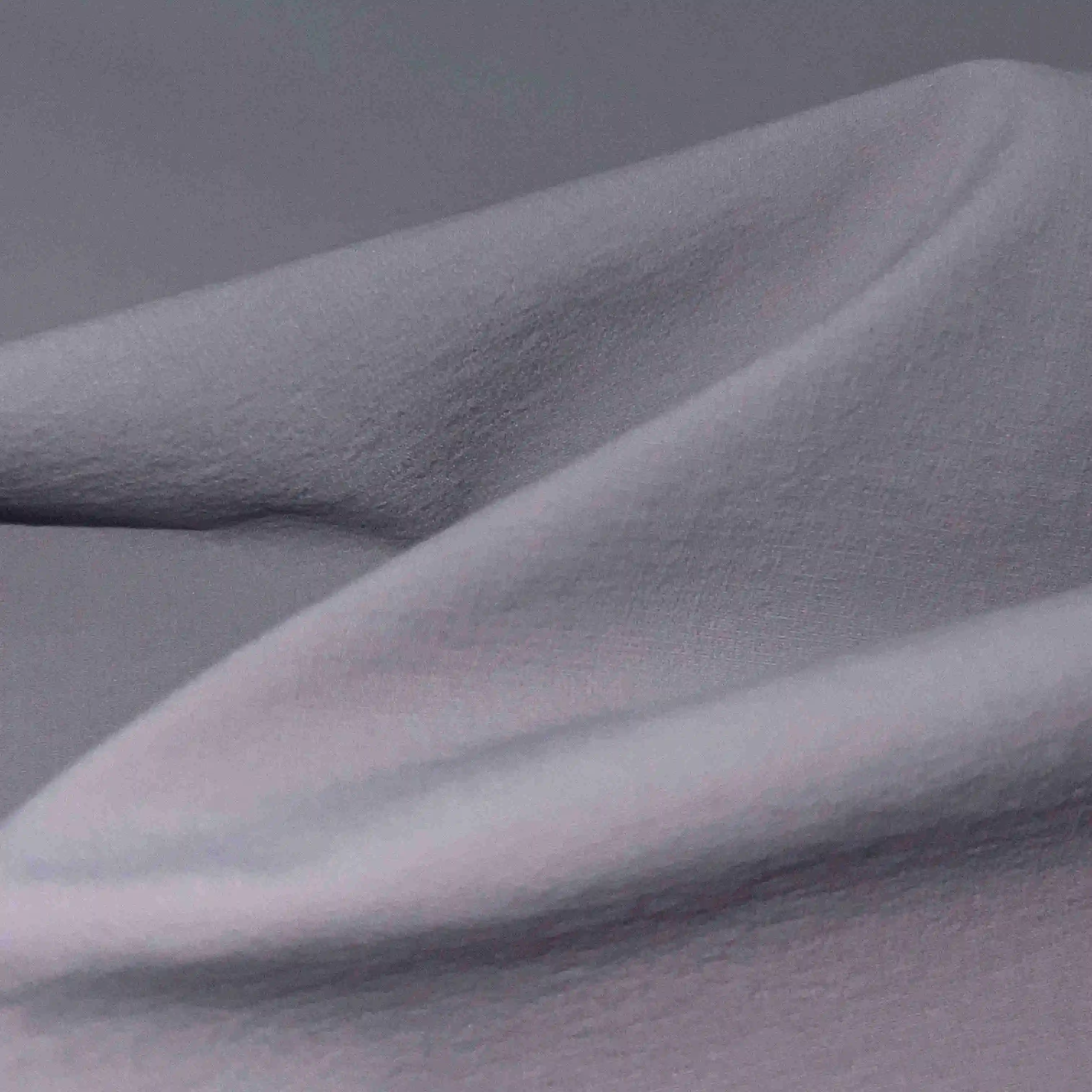
When selecting materials for textile manufacturing, fashion design, or industrial applications, rayon fabric stands out as one of the most versatile and reliable options available in today's market. This semi-synthetic fiber combines the natural comfort of cotton with enhanced durability and performance characteristics that make it suitable for a wide range of commercial and industrial uses. Understanding the unique properties and advantages of rayon fabric can help manufacturers, designers, and procurement professionals make informed decisions that optimize both product quality and cost-effectiveness.
Superior Comfort and Performance Characteristics
Exceptional Breathability and Moisture Management
Rayon fabric excels in moisture absorption and breathability, making it an ideal choice for applications where comfort is paramount. The fiber structure allows air to circulate freely while wicking moisture away from the surface, creating a cooling effect that enhances wearer comfort. This natural breathability makes rayon fabric particularly valuable in garment manufacturing for activewear, undergarments, and summer clothing lines where temperature regulation is crucial.
The moisture-wicking properties of rayon fabric also contribute to its antimicrobial characteristics, as the quick-drying nature prevents bacterial growth and odor retention. This feature has made rayon increasingly popular in medical textiles, hospitality linens, and other applications where hygiene is a primary concern.

Luxurious Drape and Hand Feel
One of the most distinctive advantages of rayon fabric lies in its exceptional drape qualities and silk-like hand feel. The fiber's natural fluidity allows garments to move gracefully with the body, creating an elegant appearance that rivals more expensive natural fibers. This characteristic makes rayon fabric particularly sought after in high-end fashion manufacturing, evening wear, and luxury home textile applications.
The smooth surface texture of rayon fabric provides a comfortable wearing experience while maintaining shape retention better than many natural alternatives. Manufacturers appreciate this combination of luxury aesthetics and practical performance, especially when producing items that require both visual appeal and functional durability.
Cost-Effective Manufacturing Benefits
Competitive Pricing and Supply Chain Stability
From a manufacturing perspective, rayon fabric offers significant cost advantages compared to natural fibers like silk or high-quality cotton. The controlled production process ensures consistent availability and pricing, helping manufacturers maintain stable procurement costs and reliable supply chains. This predictability is essential for large-scale production planning and budget forecasting in competitive markets.
The synthetic component of rayon fabric production also means reduced dependency on agricultural variables such as weather conditions, crop yields, and seasonal fluctuations that can dramatically impact natural fiber costs. This stability translates into more predictable manufacturing expenses and improved profit margins for textile producers.
Versatile Processing and Dyeing Capabilities
Rayon fabric demonstrates exceptional compatibility with various dyeing processes, allowing manufacturers to achieve vibrant, long-lasting colors with excellent colorfastness properties. The fiber readily accepts both natural and synthetic dyes, enabling cost-effective production of diverse color palettes without requiring expensive pre-treatment processes. This versatility reduces production complexity and inventory management challenges.
The processing flexibility of rayon fabric extends to finishing treatments, blending capabilities, and specialized applications. Manufacturers can easily incorporate flame-retardant treatments, antimicrobial finishes, or water-resistant coatings without compromising the fabric's inherent comfort properties, making it suitable for technical textile applications.
Environmental and Sustainability Advantages
Renewable Resource Foundation
Modern rayon fabric production increasingly utilizes renewable cellulose sources, making it a more sustainable option compared to petroleum-based synthetic fibers. The use of wood pulp from responsibly managed forests creates a renewable material cycle that supports environmental conservation goals while meeting industrial textile demands. This sustainability aspect has become increasingly important for brands seeking to improve their environmental footprint.
The biodegradable nature of rayon fabric ensures end-of-life disposal does not contribute to long-term environmental pollution. Unlike purely synthetic materials that persist in landfills for decades, rayon fabric breaks down naturally, supporting circular economy principles and reducing textile waste accumulation.
Reduced Water and Energy Consumption
Advanced rayon fabric manufacturing processes have achieved significant improvements in water and energy efficiency compared to traditional natural fiber production. The controlled industrial environment allows for precise resource management and waste reduction, resulting in lower environmental impact per meter of finished fabric. This efficiency translates into both environmental benefits and cost savings for manufacturers.
The consistent quality of rayon fabric also reduces waste in downstream manufacturing processes, as fewer defects and rejects mean less material consumption overall. This efficiency contributes to improved sustainability metrics throughout the textile supply chain.
Diverse Application Possibilities
Fashion and Apparel Applications
The versatility of rayon fabric makes it suitable for an extensive range of fashion applications, from casual wear to formal garments. Its ability to mimic the appearance and feel of natural fibers while offering enhanced durability has made it a staple in contemporary fashion manufacturing. Designers appreciate how rayon fabric can be manipulated into various textures and finishes, providing creative flexibility without compromising performance.
In activewear and athletic apparel, rayon fabric blends offer moisture management properties that enhance performance while maintaining comfort during extended wear. The fiber's natural stretch and recovery characteristics make it ideal for form-fitting garments that require shape retention and movement flexibility.
Industrial and Technical Textile Uses
Beyond fashion applications, rayon fabric serves numerous industrial and technical purposes where specific performance characteristics are required. In automotive interiors, the fabric's flame resistance and durability make it suitable for seat covers and interior panels. Medical textiles benefit from rayon fabric's antimicrobial properties and skin-friendly characteristics, making it valuable for disposable medical products and patient care items.
The filtration industry has found rayon fabric particularly useful due to its consistent fiber structure and chemical resistance properties. These characteristics enable effective particle capture while maintaining structural integrity under various operating conditions, making rayon fabric an economical choice for industrial filtration applications.
Quality Control and Manufacturing Consistency
Predictable Performance Characteristics
Manufacturers value rayon fabric for its consistent performance characteristics that can be precisely controlled during production. Unlike natural fibers that may vary in quality based on growing conditions and processing variables, rayon fabric maintains uniform strength, absorbency, and dimensional stability across production runs. This consistency reduces quality control complexities and ensures predictable end-product performance.
The standardized properties of rayon fabric also simplify pattern making and garment construction processes, as designers can rely on consistent stretch, drape, and recovery characteristics. This predictability reduces sample development time and improves production efficiency in competitive manufacturing environments.
Enhanced Durability and Longevity
Modern rayon fabric formulations offer improved strength and abrasion resistance compared to earlier versions, making them suitable for applications requiring long-term durability. The enhanced wet strength properties ensure that garments maintain their integrity through repeated washing and wear cycles, providing better value for both manufacturers and end consumers.
The dimensional stability of rayon fabric reduces shrinkage concerns that often complicate natural fiber manufacturing processes. This characteristic allows for more precise sizing and reduces the need for pre-shrinking treatments, streamlining production workflows and reducing manufacturing costs.
FAQ
What makes rayon fabric different from other synthetic materials
Rayon fabric is classified as a semi-synthetic fiber because it combines natural cellulose sources with chemical processing to create a material that offers the comfort of natural fibers with enhanced performance characteristics. Unlike purely synthetic materials derived from petroleum, rayon fabric maintains breathability and moisture absorption properties similar to cotton while providing improved durability and consistency. This unique combination makes rayon fabric particularly valuable for applications where both comfort and performance are essential requirements.
How does rayon fabric perform in industrial washing applications
Rayon fabric demonstrates excellent performance in commercial and industrial washing environments, maintaining color integrity and structural properties through repeated high-temperature wash cycles. The fiber's enhanced wet strength prevents deterioration during aggressive cleaning processes, while its quick-drying characteristics reduce energy consumption in commercial laundry operations. These properties make rayon fabric ideal for hospitality, healthcare, and food service applications where frequent laundering is required.
Can rayon fabric be blended with other materials for specialized applications
Yes, rayon fabric blends exceptionally well with both natural and synthetic fibers to create specialized textile solutions. Common blends include rayon-cotton for enhanced comfort and durability, rayon-polyester for improved wrinkle resistance, and rayon-spandex for stretch applications. These blends allow manufacturers to optimize specific performance characteristics while maintaining the inherent benefits of rayon fabric, such as moisture management and comfortable hand feel.
What quality certifications are available for rayon fabric suppliers
Reputable rayon fabric manufacturers typically maintain certifications including OEKO-TEX Standard 100 for chemical safety, ISO 9001 for quality management, and various environmental certifications such as FSC for sustainable sourcing. These certifications ensure that rayon fabric meets international standards for safety, quality, and environmental responsibility, providing assurance for manufacturers incorporating the material into their products. When selecting suppliers, these certifications serve as important indicators of manufacturing reliability and product consistency.