 EN
EN

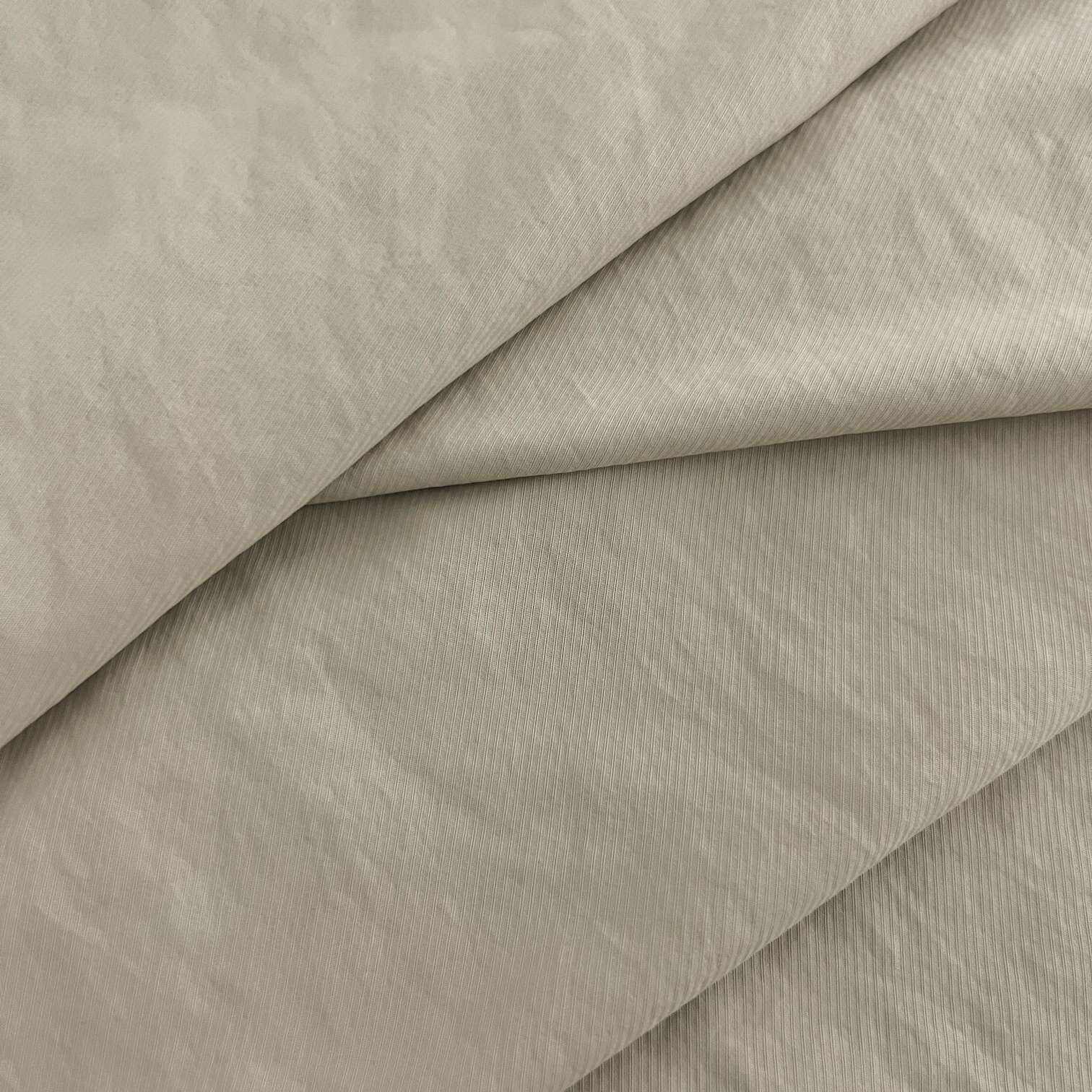
Rayon fabric represents one of the most versatile and widely utilized textile materials in modern manufacturing, combining the natural comfort of cotton with enhanced durability and cost-effectiveness. This semi-synthetic fiber has revolutionized the textile industry through its unique blend of properties that make it suitable for diverse applications ranging from fashion garments to industrial textiles. Understanding the distinctive characteristics of rayon fabric is essential for manufacturers, designers, and consumers who seek to leverage its benefits in various textile applications.
Manufacturing Process and Chemical Composition
Regenerated Cellulose Production
The production of rayon fabric begins with natural cellulose materials, typically derived from wood pulp, bamboo, or cotton linters. The manufacturing process involves dissolving cellulose in chemical solutions to create a viscous liquid that can be extruded through spinnerets to form continuous filaments. This regenerated cellulose process allows manufacturers to control the fiber properties more precisely than natural cotton or linen production. The resulting rayon fabric maintains the molecular structure of cellulose while offering enhanced processing capabilities and uniform characteristics throughout the material.
Modern rayon fabric production utilizes advanced spinning technologies that ensure consistent fiber diameter and strength properties. The chemical treatment process involves multiple stages of purification and stabilization that remove impurities and enhance the fiber's performance characteristics. Quality control measures during manufacturing ensure that each batch of rayon fabric meets specific standards for tensile strength, moisture absorption, and dimensional stability. These controlled production parameters result in a textile material that offers predictable performance across different applications and environmental conditions.
Viscose and Modal Variations
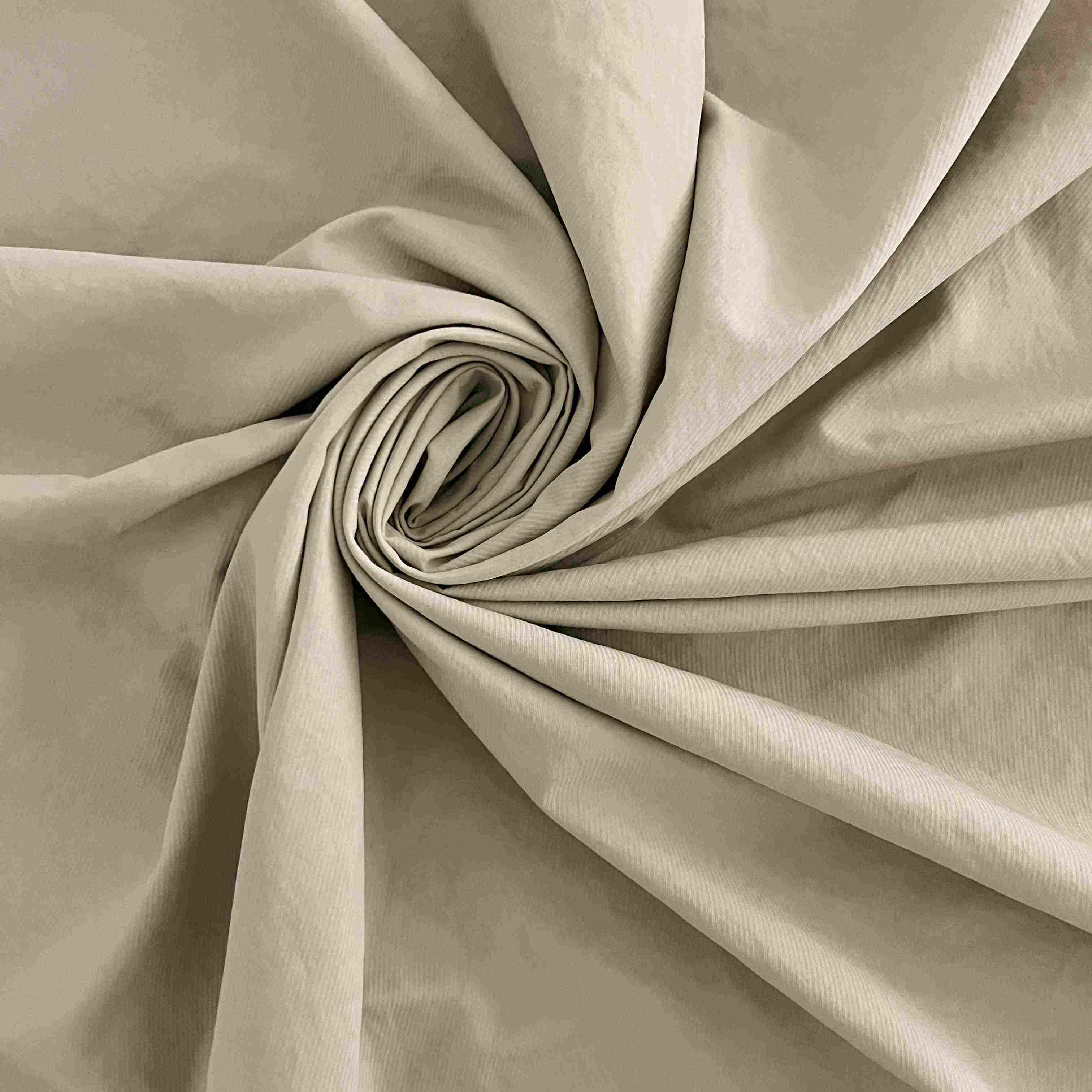
Different types of rayon fabric are produced through variations in the chemical processing and spinning techniques used during manufacturing. Viscose rayon represents the most common form, characterized by excellent drapeability and soft hand feel that makes it suitable for clothing applications. Modal rayon offers enhanced strength and durability while maintaining the moisture-wicking properties that make rayon fabric popular for activewear and undergarments. Each variation of rayon fabric provides specific benefits that can be optimized for particular end-use applications.
The chemical modifications used to create different rayon fabric types also influence the material's dyeability and color retention properties. Advanced processing techniques allow manufacturers to incorporate flame retardant treatments, antimicrobial properties, or enhanced UV resistance directly into the fiber structure. These specialized rayon fabric formulations expand the material's application range into technical textiles and industrial uses where specific performance requirements must be met.
Physical and Mechanical Properties
Tensile Strength and Durability
Rayon fabric exhibits excellent tensile strength properties that make it suitable for applications requiring dimensional stability and resistance to mechanical stress. The fiber's molecular structure provides good elongation characteristics while maintaining sufficient strength to withstand normal wear and washing cycles. Comparative testing shows that rayon fabric offers superior durability compared to many natural fibers while maintaining a softer hand feel than synthetic alternatives like polyester or nylon. This combination of strength and comfort makes rayon fabric an ideal choice for garments and textiles that require both performance and aesthetic appeal.
The mechanical properties of rayon fabric can be further enhanced through various finishing treatments and fabric construction techniques. Blending rayon fabric with other fibers creates composite materials that leverage the benefits of each component while minimizing individual weaknesses. Cross-weaving patterns and fabric density adjustments allow manufacturers to optimize the strength-to-weight ratio for specific applications. Understanding these mechanical characteristics helps designers and engineers select appropriate rayon fabric specifications for their intended use cases.
Moisture Management and Breathability
One of the most significant advantages of rayon fabric is its exceptional moisture absorption and wicking capabilities, which contribute to superior comfort in clothing applications. The fiber's hygroscopic nature allows it to absorb up to 25% of its weight in moisture without feeling damp to the touch. This property makes rayon fabric particularly suitable for intimate apparel, activewear, and summer clothing where moisture management is crucial for wearer comfort. The rapid moisture transport through the fiber structure also contributes to quick drying times compared to cotton fabrics.
Breathability characteristics of rayon fabric result from both the fiber properties and the fabric construction methods used in manufacturing. The natural porosity of rayon fibers allows air circulation that helps regulate body temperature and prevents the buildup of humidity next to the skin. Advanced knitting and weaving techniques can further enhance these breathability properties by creating fabric structures that promote airflow while maintaining the desired appearance and drape characteristics. These moisture management features make rayon fabric an excellent choice for tropical climates and active lifestyle applications.
Aesthetic and Comfort Characteristics
Drape and Hand Feel
The aesthetic appeal of rayon fabric stems from its exceptional draping qualities and luxurious hand feel that closely resembles silk at a fraction of the cost. The fiber's smooth surface and fine diameter create fabrics with excellent flow and movement that enhance the appearance of garments and drapery applications. Rayon fabric maintains its shape well while providing enough flexibility to create flattering silhouettes in clothing designs. The material's ability to take on different textures through various weaving and finishing processes makes it versatile for both casual and formal applications.
Surface characteristics of rayon fabric can be modified through different finishing treatments to achieve specific aesthetic effects. Mercerization processes enhance the fiber's luster and dye uptake properties, while mechanical treatments can create textured surfaces or brushed finishes. The inherent smoothness of rayon fabric makes it comfortable against the skin while maintaining sufficient body to create structured garments when needed. These aesthetic properties, combined with the material's affordability, have made rayon fabric a staple in fashion and home textile markets worldwide.
Color Retention and Dyeability
Rayon fabric demonstrates excellent affinity for various dye systems, allowing for vibrant color reproduction and consistent batch-to-batch color matching in production environments. The fiber's chemical structure readily accepts both reactive and direct dyes, resulting in superior color fastness compared to many natural fibers. This dyeability advantage makes rayon fabric particularly valuable for fashion applications where color accuracy and consistency are critical for brand reputation and customer satisfaction. The material's ability to achieve deep, rich colors with minimal dye consumption also contributes to more sustainable production practices.
Advanced dyeing techniques allow rayon fabric to achieve special effects such as heather tones, ombre patterns, and color-changing properties that respond to temperature or pH changes. The uniform fiber structure ensures even dye penetration throughout the material, eliminating the blotchy appearance that can occur with less consistent natural fibers. Print reproduction on rayon fabric achieves sharp detail and vibrant colors that maintain their appearance through multiple wash cycles. These color performance characteristics make rayon fabric an preferred choice for high-quality textile applications where appearance retention is important.
Industrial Applications and Performance
Technical Textile Uses
Beyond traditional apparel applications, rayon fabric has found significant use in technical textile markets where its unique combination of properties provides performance advantages. Industrial filtration systems utilize rayon fabric for its excellent chemical resistance and dimensional stability under varying temperature and humidity conditions. The material's consistent pore structure and controlled permeability make it suitable for precision filtration applications in pharmaceutical, food processing, and chemical manufacturing industries. Specialized treatments can enhance the chemical resistance and temperature tolerance of rayon fabric for demanding industrial environments.
Automotive and aerospace industries increasingly specify rayon fabric for interior components where flame resistance, low toxicity, and aesthetic appeal are required. The fiber's natural origin and biodegradable properties align with sustainability initiatives while providing the performance characteristics needed for safety-critical applications. Rayon fabric composites reinforced with synthetic fibers create materials suitable for structural applications where weight reduction and vibration damping are important design considerations. These technical applications demonstrate the versatility of rayon fabric beyond traditional textile uses.
Medical and Healthcare Applications
The biocompatibility and moisture management properties of rayon fabric make it valuable for medical and healthcare applications where patient comfort and safety are paramount. Surgical gowns and drapes manufactured from rayon fabric provide barrier protection while maintaining breathability and comfort during long procedures. The material's ability to be sterilized through various methods without degradation makes it suitable for reusable medical textiles. Wound care products utilize rayon fabric's absorption properties and non-adherent characteristics to promote healing while minimizing patient discomfort.
Antimicrobial treatments can be incorporated into rayon fabric during manufacturing to provide additional protection against bacterial growth in healthcare environments. The fiber's smooth surface reduces the likelihood of harboring microorganisms while maintaining the soft hand feel important for patient comfort. Research continues into advanced medical applications where rayon fabric's biodegradable properties could be utilized for temporary implants or drug delivery systems. These specialized medical uses highlight the potential for continued innovation in rayon fabric applications as healthcare technology advances.
Environmental Impact and Sustainability
Renewable Resource Utilization
Rayon fabric production utilizes renewable cellulose resources that can be sustainably harvested and replanted, making it an environmentally responsible choice compared to petroleum-based synthetic fibers. Responsible forestry practices ensure that the wood pulp used in rayon fabric manufacturing comes from certified sustainable sources that maintain forest ecosystems while providing raw materials for textile production. The use of fast-growing tree species and agricultural waste materials further reduces the environmental impact of rayon fabric production while supporting rural economies in developing regions.
Closed-loop production systems recover and reuse the chemicals used in rayon fabric manufacturing, minimizing waste and reducing environmental discharge. Advanced processing facilities achieve recovery rates exceeding 95% for processing chemicals, significantly reducing the environmental footprint of rayon fabric production. Water treatment systems ensure that any discharge meets strict environmental standards while recovering valuable byproducts for other industrial uses. These sustainable manufacturing practices make rayon fabric an increasingly attractive option for environmentally conscious brands and consumers.
Biodegradability and End-of-Life Considerations
The natural cellulose composition of rayon fabric ensures complete biodegradability under appropriate conditions, unlike synthetic alternatives that persist in the environment for decades. Composting studies demonstrate that rayon fabric breaks down completely within months when exposed to appropriate microbial activity and environmental conditions. This biodegradability characteristic makes rayon fabric suitable for disposable applications where environmental impact is a concern, such as single-use medical products or temporary agricultural covers that can be incorporated into soil after use.
End-of-life disposal options for rayon fabric include industrial composting, incineration with energy recovery, and recycling into new textile products through mechanical or chemical processing. The material's compatibility with natural fiber recycling systems allows it to be processed alongside cotton and other cellulosic materials in existing recycling infrastructure. Research into chemical recycling methods aims to recover the cellulose content from used rayon fabric for regeneration into new fibers, creating a circular economy approach to rayon fabric production and use. These disposal and recycling options provide flexibility for managing rayon fabric waste in different geographic and economic contexts.
FAQ
What makes rayon fabric different from cotton and polyester
Rayon fabric combines characteristics of both natural and synthetic fibers, offering the breathability and comfort of cotton with enhanced durability and processing flexibility. Unlike cotton, rayon fabric can be engineered with specific properties during manufacturing, while providing better moisture management than polyester. The semi-synthetic nature of rayon fabric allows for consistent quality and performance that bridges the gap between natural and fully synthetic materials.
How should rayon fabric be cared for to maintain its properties
Proper care of rayon fabric involves gentle washing in cool water with mild detergents to preserve the fiber structure and prevent shrinkage. Machine washing on delicate cycles or hand washing provides the best results for maintaining the appearance and performance of rayon fabric. Avoiding excessive heat during drying and using appropriate ironing temperatures helps preserve the fiber's strength and dimensional stability over time.
Can rayon fabric be used for outdoor and technical applications
Specialized treatments and fiber modifications allow rayon fabric to be used in demanding outdoor and technical applications where enhanced performance is required. UV-resistant treatments, water-repellent finishes, and reinforcement with synthetic fibers expand the application range of rayon fabric beyond traditional textile uses. The material's inherent properties make it suitable for filtration, insulation, and composite applications when properly engineered for specific performance requirements.
Is rayon fabric suitable for people with sensitive skin or allergies
The natural cellulose origin and smooth fiber surface of rayon fabric make it generally well-tolerated by individuals with sensitive skin or fabric allergies. The material's hypoallergenic properties and breathability help reduce skin irritation compared to synthetic alternatives that may trap moisture or create static electricity. However, some individuals may be sensitive to processing chemicals, so choosing rayon fabric from reputable manufacturers with proper finishing processes is important for sensitive skin applications.